Tuesday, May 31, 2022

RePower EU / Pathway for 2030


The European Commission has presented the REPowerEU Plan, its response to the hardships and global energy market disruption caused by Russia's invasion of Ukraine. There is a double urgency to transform Europe's energy system: ending the EU's dependence on Russian fossil fuels, which are used as an economic and political weapon and cost European taxpayers nearly €100 billion per year, and tackling the climate crisis. By acting as a Union, Europe can phase out its dependency on Russian fossil fuels faster. 85% of Europeans believe that the EU should reduce its dependency on Russian gas and oil as soon as possible to support Ukraine. The measures in the REPowerEU Plan can respond to this ambition, through energy savings, diversification of energy supplies, and accelerated roll-out of renewable energy to replace fossil fuels in homes, industry, and power generation.

The green transformation will strengthen economic growth, security, and climate action for Europe and our partners. The Recovery and Resilience Facility (RRF) is at the heart of the REPowerEU Plan, supporting coordinated planning and financing of cross-border and national infrastructure as well as energy projects and reforms. The Commission proposes to make targeted amendments to the RRF Regulation to integrate dedicated REPowerEU chapters in Member States' existing recovery and resilience plans (RRPs), in addition to the large number of relevant reforms and investments which are already in the RRPs. The country-specific recommendations in the 2022 European Semester cycle will feed into this process.

Saving energy

Energy savings are the quickest and cheapest way to address the current energy crisis, and reduce bills. The Commission proposes to enhance long-term energy efficiency measures, including an increase from 9% to 13% of the binding Energy Efficiency Target under the ‘Fit for 55' package of European Green Deal legislation. Saving energy now will help us to prepare for the potential challenges of next winter. Therefore the Commission also published today an ‘EU Save Energy Communication' detailing short-term behavioural changes which could cut gas and oil demand by 5% and encouraging Member States to start specific communication campaigns targeting households and industry. Member States are also encouraged to use fiscal measures to encourage energy savings, such as reduced VAT rates on energy efficient heating systems, building insulation and appliances and products. The Commission also sets out contingency measures in case of severe supply disruption, and will issue guidance on prioritisation criteria for customers and facilitate a coordinated EU demand reduction plan.

Diversifying supplies and supporting our international partners

The EU has been working with international partners to diversify supplies for several months, and has secured record levels of LNG imports and higher pipeline gas deliveries. The newly created EU Energy Platform, supported by regional task forces, will enable voluntary common purchases of gas, LNG and hydrogen by pooling demand, optimising infrastructure use and coordinating outreach to suppliers. As a next step, and replicating the ambition of the common vaccine purchasing programme, the Commission will consider the development of a ‘joint purchasing mechanism' which will negotiate and contract gas purchases on behalf of participating Member States. The Commission will also consider legislative measures to require diversification of gas supply over time by Member States. The Platform will also enable joint purchasing of renewable hydrogen.

The EU External Energy Strategy adopted today will facilitate energy diversification and building long-term partnerships with suppliers, including cooperation on hydrogen or other green technologies. In line with the Global Gateway, the Strategy prioritises the EU's commitment to the global green and just energy transition, increasing energy savings and efficiency to reduce the pressure on prices, boosting the development of renewables and hydrogen, and stepping up energy diplomacy. In the Mediterranean and North Sea, major hydrogen corridors will be developed. In the face of Russia's aggression, the EU will support Ukraine, Moldova, the Western Balkans and Eastern Partnership countries, as well as our most vulnerable partners. With Ukraine we will continue to work together to ensure security of supply and a functioning energy sector, while paving the way for future electricity and renewable hydrogen trade, as well as rebuilding the energy system under the REPowerUkraine initiative.

Accelerating the rollout of renewables

A massive scaling-up and speeding-up of renewable energy in power generation, industry, buildings and transport will accelerate our independence, give a boost to the green transition, and reduce prices over time. The Commission proposes to increase the headline 2030 target for renewables from 40% to 45% under the Fit for 55 package. Setting this overall increased ambition will create the framework for other initiatives, including:

  • A dedicated EU Solar Strategy to double solar photovoltaic capacity by 2025 and install 600GW by 2030.
  • Solar Rooftop Initiative with a phased-in legal obligation to install solar panels on new public and commercial buildings and new residential buildings.
  • Doubling of the rate of deployment of heat pumps, and measures to integrate geothermal and solar thermal energy in modernised district and communal heating systems.
  • A Commission Recommendation to tackle slow and complex permitting for major renewable projects, and a targeted amendment to the Renewable Energy Directive to recognise renewable energy as an overriding public interest. Dedicated ‘go-to' areas for renewables should be put in place by Member States with shortened and simplified permitting processes in areas with lower environmental risks. To help quickly identify such ‘go-to' areas, the Commission is making available datasets on environmentally sensitive areas as part of its digital mapping tool for geographic data related to energy, industry and infrastructure.
  • Setting a target of 10 million tonnes of domestic renewable hydrogen production and 10 million tonnes of imports by 2030, to replace natural gas, coal and oil in hard-to-decarbonise industries and transport sectors. To accelerate the hydrogen market increased sub-targets for specific sectors would need to be agreed by the co-legislators. The Commission is also publishing two Delegated Acts on the definition and production of renewable hydrogen to ensure that production leads to net decarbonisation. To accelerate hydrogen projects, additional funding of €200 million is set aside for research, and the Commission commits to complete the assessment of the first Important Projects of Common European Interest by the summer.
  • Biomethane Action Plan sets out tools including a new biomethane industrial partnership and financial incentives to increase production to 35bcm by 2030, including through the Common Agricultural Policy.

Reducing fossil fuel consumption in industry and transport

Replacing coal, oil and natural gas in industrial processes will reduce greenhouse gas emissions and strengthen security and competitiveness. Energy savings, efficiency, fuel substitution, electrification, and an enhanced uptake of renewable hydrogen, biogas and biomethane by industry could save up to 35 bcm of natural gas by 2030 on top of what is foreseen under the Fit for 55 proposals.

The Commission will roll out carbon contracts for difference to support the uptake of green hydrogen by industry and specific financing for REPowerEU under the Innovation Fund, using emission trading revenues to further support the switch away from Russian fossil fuel dependencies. The Commission is also giving guidance on renewable energy and power purchase agreements and will provide a technical advisory facility with the European Investment Bank. To maintain and regain technological and industrial leadership in areas such as solar and hydrogen, and to support the workforce, the Commission proposes to establish an EU Solar Industry Alliance and a large-scale skills partnership. The Commission will also intensify work on the supply of critical raw materials and prepare a legislative proposal.

To enhance energy savings and efficiencies in the transport sector and accelerate the transition towards zero-emission vehicles, the Commission will present a Greening of Freight Package, aiming to significantly increase energy efficiency in the sector, and consider a legislative initiative to increase the share of zero emission vehicles in public and corporate car fleets above a certain size. The EU Save Energy Communication also includes many recommendations to cities, regions and national authorities that can effectively contribute to the substitution of fossil fuels in the transport sector.

Smart Investment

Delivering the REPowerEU objectives requires an additional investment of €210 billion between now and 2027. This is a down-payment on our independence and security. Cutting Russian fossil fuel imports can also save us almost €100 billion per year. These investments must be met by the private and public sector, and at the national, cross-border and EU level.

To support REPowerEU, €225 billion is already available in loans under the RRF. The Commission adopted legislation and guidance to Member States today on how to modify and complement their RRPs in the context of REPowerEU. In addition, the Commission proposes to increase the RRF financial envelope with €20 billion in grants from the sale of EU Emission Trading System allowances currently held in the Market Stability Reserve, to be auctioned in a way that does not disrupt the market. As such, the ETS not only reduces emissions and the use of fossil fuels, it also raises the necessary funds to achieve energy independence.

Under the current MFF, cohesion policy will already support decarbonisation and green transition projects with up to €100 billion by investing in renewable energy, hydrogen and infrastructure. An additional €26.9 billion from cohesion funds could be made available in voluntary transfers to the RRF. A further €7.5 billion from the Common Agricultural Policy is also made available through voluntary transfers to the RRF. The Commission will double the funding available for the 2022 Large Scale Call of the Innovation Fund this autumn to around €3 billion.

The Trans-European Energy Networks (TEN-E) have helped to create a resilient and interconnected EU gas infrastructure. Limited additional gas infrastructure, estimated at around €10 billion of investment, is needed to complement the existing Projects of Common Interest (PCI) List and fully compensate for the future loss of Russian gas imports. The substitution needs of the coming decade can be met without locking in fossil fuels, creating stranded assets or hampering our climate ambitions. Accelerating electricity PCIs will also be essential to adapt the power grid to our future needs. The Connecting Europe Facility will support this, and the Commission is launching today a new call for proposals with a budget of €800 million, with another one to follow in early 2023.


Background

On 8 March 2022, the Commission proposed the outline of a plan to make Europe independent from Russian fossil fuels well before 2030, in light of Russia's invasion of Ukraine. At the European Council on 24-25 March, EU leaders agreed on this objective and asked the Commission to present the detailed REPowerEU Plan which has been adopted today. The recent gas supply interruptions to Bulgaria and Poland demonstrate the urgency to address the lack of reliability of Russian energy supplies.

The Commission has adopted 5 wide-ranging and unprecedented packages of sanctions in response to Russia's acts of aggression against Ukraine's territorial integrity and mounting atrocities against Ukrainian civilians and cities. Coal imports are already covered by the sanctions regime and the Commission has tabled proposals to phase out oil by the end of the year, which are now being discussed by Member States.

The European Green Deal is the EU's long-term growth plan to make Europe climate neutral by 2050. This target is enshrined in the European Climate Law, as well as the legally binding commitment to reduce net greenhouse gas emissions by at least 55% by 2030, compared to 1990 levels. The Commission presented its ‘Fit for 55' package of legislation in July 2021 to implement these targets; these proposals would already lower our gas consumption by 30% by 2030, with more than a third of such savings coming from meeting the EU energy efficiency target.

On 25 January 2021, the European Council invited the Commission and the High Representative to prepare a new External Energy Strategy. The Strategy interlinks energy security with the global clean energy transition via external energy policy and diplomacy, responding to the energy crisis created by Russia's invasion of Ukraine and the existential threat of climate change. The EU will continue to support the energy security and green transition of Ukraine, Moldova and the partner countries in its immediate neighbourhood. The Strategy acknowledges that Russia's invasion of Ukraine has a global impact on energy markets, affecting in particular developing partner countries. The EU will continue to provide support for a secure, sustainable and affordable energy worldwide.


For More Information

REPowerEU Communication

Annexes to REPowerEU Communication

Staff Working Document: Investment needs, hydrogen accelerator and bio-methane plan

EU Save Energy Communication

EU External Energy Engagement Strategy

EU Solar Strategy

Amendments to Renewable Energy, Energy Performance of Buildings and Energy Efficiency Directives

Recommendation on permitting procedures and Power Purchase Agreements

Guidance on permitting procedures and Power Purchase Agreements  

Regulation establishing the Recovery and Resilience Facility

Proposal for a Regulation on REPowerEU chapters in recovery and resilience plans

Guidance on recovery and resilience plans in the context of REPowerEU

Q&A Memo on REPowerEU

Factsheet on REPowerEU Actions

Factsheet on financing REPowerEU

Factsheet on the EU External Energy Strategy

Factsheet on energy savings

Factsheet on clean energy

Factsheet on clean industry

REPowerEU video

Friday, May 27, 2022

The Sea Organ and Greeting to the Sun from Zadar


A sound art object and experimental musical instrument that creates lovely chimed tunes using only the rolling power of sea waves. The installation looks like a series of broad steps leading down into the sea hiding clever engineering beneath their surface. Nikola Bašić, a renowned architect, has devised an ingenious system of resonant chambers that produces ever-changing syncopated tunes which soothe and excite the minds of countless amazed visitors as they chill and linger on the Riva for hours to hear that dreamlike sound once again before they leave. Another installation of the brilliant architect symbolizes the communication between man and nature. This stirring monument consists of 300 multi-layered glass plates that absorb solar energy during the day and create a spectacular waterfront light show just after sunset. These installations are a holiday for all your senses. In love with the spectacular installations that show how well art and nature mix. Zeljko Serdar

Friday, May 6, 2022

Permaculture / Getting Started

(From Zeljko Serdar/Facebook)


Permaculture is a design practice as much as it is a scientific topic of inquiry. When asked to sum up permaculture in a single word, my teacher and my friend Geoff Lawton used the term ‘design’ to encapsulate the purpose of the study. I’m pretty low-tech, so I drew my maps by hand. I believe this is the most accessible way to create maps. Almost anyone can draw on paper!

Some examples are:

Contour: Contour lines tell us where land slopes and where gravity sends water to drain.


Wind: We can’t help where the wind comes from, but we can buffer it.


Noise: Most of us have to deal with some noise that is out of our control such as a busy road or a neighbor with a yappy dog

.

Sunlight: Include the effects of neighboring trees as well as your own.


Snow/Fire: If these are common for you, map what direction they might come from so you can buffer their effects.


Wildlife: Map wildlife patterns that are significant challenges. I’ve mapped the most popular deer route on my map below.


Flooding/Drainage: Demonstrate how water moves on your site according to the contour lines and seasonal flooding.


Views/Privacy: Mark where you’d like to improve or retain privacy plantings, and where you can enhance beautiful views.


Crime: What direction might thieves or unwelcome folks come from? Certain components may help to reduce the threat.


Air/Water/Light Pollution: A neighbor with a floodlight, a neighboring farmer who sprays his/her crops, etc…


(From Zeljko Serdar/Facebook)


Identifying these sectors can help you brainstorm ways to minimize their effect or find a way to turn the problem into an asset 


I discovered some things in the process—things I wouldn’t have thought about until it was too late, things that would have cost me a lot of time to go back and fix. Believe me, if it seems like drawing maps is a waste of time, it won’t be. But you’ll never know until you give it a try. 

Zeljko Serdar, CCRES

Friday, April 1, 2022

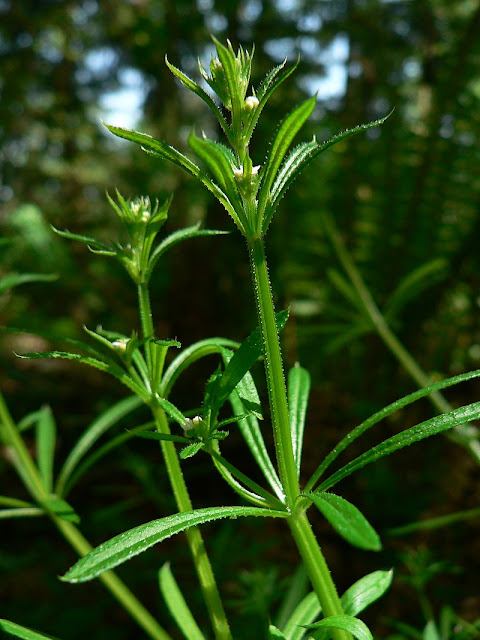
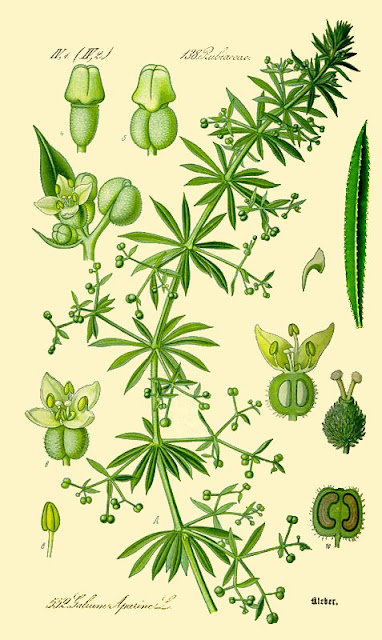
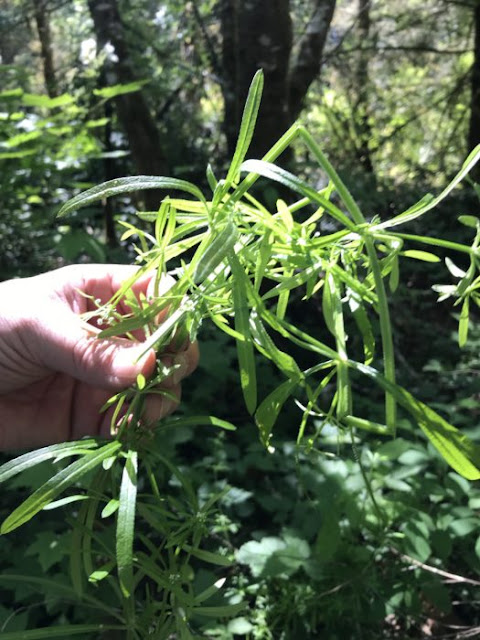
Galium aparine commonly known as Sticky willy


Galium aparine commonly known as Sticky willy, Cleavers, or in Croatian Čekinjasta broćika, Priljepača, Rukodrž, Hvatavac, Ljepljiva broćika, is an herbaceous annual plant from the Rubiaceae family of flowering plants, which also includes gardenia and noni. The plant is native to a wide region of Europe, North Africa, and Asia from Britain and the Canary Islands to Japan. It is now naturalized throughout most of the United States, Canada, Mexico, Central America, South America, Australia, some oceanic islands, and scattered locations in Africa. 

Some of the popular common names of the plant are Goosegrass, Annual Bedstraw, Cleavers, Barweed, Hedgeheriff, Hayriffe, Eriffe, Grip Grass, Hayruff, Catchweed, Scratweed, Mutton Chops, Robin-run-in-the-Grass, Loveman, Goosebill, Everlasting Friendship, Catchweed bedstraw, Cleaverwort, Scarthgrass, Small goose-grass, Sticky-willy, White hedge, Common bedstraw, Spring cleavers, Sticky bobs, Sticky willy, Sweetheart, Clivers, scarthgrass, scratch bedstraw, harrif and robin run over the hedge. 

Galium is Dioscorides’ name for the plant. It is derived from the Greek word for ‘milk’ because the flowers of Galium verum were used to curdle milk in cheese making. Aparine is a name used by Theophrastus for goosegrass. It is derived from Greek and means ‘clinging’ or ‘seizing’. Geese thoroughly enjoy eating G. aparine, hence one of its other common names, “goosegrass”.

I am having a bumper harvest of cleavers this year. Okay, I know the majority of gardeners view it as a weed and so ‘harvest’ sounds plain wrong — but I don’t think of it as a weed. It’s not quite a crop but it is useful to how I garden — which is to be chemical-free and to reap the benefits of every plant that finds its way in. Cleavers (Galium aparine) is one of the weeds I welcome, for its horticultural and medicinal benefits and its story too.

Plants, even the ones we often dismiss as weeds, have fascinating backstories. Cleavers get their common name for their reputation to cleave to — as their hairy stem and fuzzy seed structure does adhere easily to passers-by — so their stems and seed may stick to your clothes or the fur of your pet and make their way back from a walk, right into your garden. What a cool way to disperse the next generation — hitchhike. A sneaky trait, but you’ve got to admire efficiency and tenacity.

The botanical name also reminds us of its gripping nature as in the Greek-derivedaparine meaning to “lay hold of” or “seize”. Traditionally cleavers were employed for a grip of a different nature — woven into sieves to strain impurities from milk. As kids, my friends and I took advantage of those Velcro-like hairs and played a ‘throw and tag’ childhood game with the stems as we often did with the darts of flowering grasses.

The cleaver game was called ‘sticky willies’ — I know, sounds a bit troubling now, but the name was around before we found the game.

I am a bit of a fan of wild beverages and forage knowledge, so I appreciate that Galium is a relative of coffee and alongside chicory (Cichorium intybus), makes one of the more superior coffee substitutes – the roasted seed rather than the roots are my preference. Galium has a Greek etymology linking to ‘milk’ and the selection of that name for its nomenclature indicates its connection with the dairy industry — not just as a sieve tool but also for centuries it has been employed as a curdling agent in yogurt and cheese production.

The plant is grazed by fowl and farmyard animals – hence the colloquial name of goosegrass. The seeds and green leaves can provide a staple chicken fodder and as a fodder crop for other poultry, cattle, sheep, and horses. While as a human foodstuff, soups and juices are known but are more remedial than culinary (a touch too bitter for most palates). So if your sustainability has you keeping poultry, then this weed is better in their feed than in the compost bin.

By way of a note on human consumption: because of the high tannin content, cleavers in any consumable form, make a powerful astringent and amongst its active components, it contains coumarins which thin the blood and asperuloside which can be converted into prostaglandins that stimulate the uterus and affect blood vessels.

All those traits can be utilized remedially, but as a culinary addition or for extended medical usage, it is generally advised to use for only two weeks at a time, and pause for one or two weeks before using again.

I am a fan of cleaver-infused water as a refreshing but also a ‘health’ drink. I harvest the aerial parts before flowering. Rinse under water and gently pat dry with a paper towel. Then I slice a few stalks and add them to a glass of water. Place in fridge and leave overnight to infuse. Strain and drink. The cold-infusion acts as a lymphatic tonic and flavors the water quite nicely too.

The plant is bursting with medicinal properties: antispasmodic; antiphlogistic; aperient; astringent; detoxificant; diaphoretic; diuretic; depurative; vulnerary; a noted lymphatic and urinary tract cleanser; refrigerant; febrifuge; laxative; lowers blood pressure; sliming and tonic. The juice has stronger diuretic and laxative properties than infusions. It was once a common feature of cures for obesity and dropsy.

It is often noted that sap may cause contact dermatitis with sensitive skin but the plant also has a history of use as a cosmetic aid: A crushed leaf compressor a butter and juice salve has a remedial action on skin conditions and wounds. Cleavers are high in silica which is beneficial to hair, teeth, and nails. The plant has been used as a cleansing lotion for acne and other conditions of the skin and as a cooled infusion to rinse dandruff-prone scalps.


Plant Description

Cleavers is a prolific, slender, climbing annual plant, commonly regarded as a weed that does not grow in height unless it attached itself to a tall plant or tree. The plant is found growing in scrub areas, woodlands, meadows, roadsides, and waste sites of the Gulf and Atlantic coasts, and occupies deciduous forests, thickets, disturbed sites, springs, limestone glades, weedy meadows, and flood plains in the Plains States. It is also common in gardens, cultivated crops, fence lines, barnyards, ditches, abandoned fields, and homesteads throughout its range. The plant favors moist soils and tolerates sites with moderate to poor drainage. Rich loam, heavy organic soils with above average nitrogen and phosphorus content are reportedly preferred. The plant has branching and shallow roots. This plant spreads by reseeding itself.

Stem

Stems are green, soft, freely branched, numerous, weak, straggly, and semi-prostrate. They may be up to 120 cm long. They climb or ascend by adhering to or lying on adjacent vegetation. Stems are quadrangular in cross-section, with prominent ribs, densely set with recurved thorn-like spines. They are jointed and branched at the first node. The nodes are usually densely tomentose, but sometimes only slightly so. The carpels, leaves, and stems of cleavers have an abundance of stiff hairs that can cling readily to clothing, fur, or adjacent vegetation.

Leaves

Leaves are sessile in whorls of 4-8 at the nodes. They are simple, narrow, oval-lanceolate, mucronate, single-veined, 30-60 mm long, 3-8 mm broad, usually dark green, thin, lax, and mucronate. The leaf margins are weakly retrorsely scabrous. The upper surface of the leaf is hairy and the lower surface has a row of forward-directed spines along the midrib. Each leaf has a single central vein along its length.

Flower

Flowers are 2 mm in diameter on peduncles in the axils of the leaf whorls. There are two to five flowers per peduncle (five to six bracts), in cymes. Corolla is white with four acute lobes. Flowers are bisexual, with four stamens and one pistil with two styles. Pollen grains are oval in equatorial view and the polar diameter (width) of the hexaploid plant is 25-31 µm. The carpels are covered with stiff hooked hairs and have a bur-like appearance; together, they are about ¼ inch across when fully developed. The blooming period occurs from late spring to mid-summer and lasts about 1-2 months.

Fruit

Fruit is a schizocarp with two capsules per flower forming two globose mericarps. The fruits are grey or greyish-brown and oval in outline. They are 2-4 mm long, excluding the spines, with the scar somewhat oblong. The surfaces of the fruit are covered with hooked bristles; about 0.8 mm long, on tuberculate bases that are dilated and usually arise from a small tubercle formed by the elevation of the surface of the fruit. Fruits are sometimes sparsely spiny and very rarely smooth or tuberculate.


Health benefits of Cleavers

Cleavers is a mild diuretic and blood and lymphatic cleanser that is specified for psoriasis and other skin conditions. It has a particular attraction for the lymphatic system and may be used for swollen glands, tonsillitis, and lymph tonic. In Chinese medicine, cleavers are used to disperse stagnancy and inflammation and for urinary problems. Listed below are a few of the health benefits of cleavers

1. Stimulates the lymphatic system

Cleavers herb has been found to improve the health of the lymphatic system. This includes reducing inflammation of lymph glands and cysts in the breasts. Cleavers herb also helps to reduce swelling and inflammation by clearing excess waste and water from the body, assisting to reduce instances of edema. Cleavers herb can be used on its own or in conjunction with Echinacea and marigold to help stimulate the lymphatic system.

2. Treat Edema

Edema is caused mostly due to the stimulating effect of the lymphatic system. The lymphatic system of your body clears all the waste from your body. As per many expert herbalists, cleaver has an effect on swollen glands and cysts. Therefore, it can work to reduce the swelling in your body.

3. Kidney Health

Diuretic properties of the cleavers herb help to flush out wastes, toxins, and excess water from the system improving the health of your kidneys, bladder, and liver. Cleavers herb may also help to dissolve kidney stones and prevent the development of fibrocystic tissue.

4. Heal Ulcers

Having a bath in the juice of the plant helps to soothe and heal various ulcers. Ulcers are majorly caused by bacteria. Cleaver has anti-bacterial properties that can easily kill the bacteria and provide you an absolute cure for ulcers.

5. Calms the Gastrointestinal and Urinary Tracts

Cleavers shows anti-spasmodic properties on the urinary and digestive tracts. It offers an effective treatment for irritable bowel syndrome and interstitial cystitis. Cleavers help get rid of and dissolve kidney stones. It also reduces the presence of fibrocystic tissue in the kidneys.

6. Maintain Weight

To keep away body fat, you should intake porridge made of Cleavers. Cleavers have properties to reduce the absorption and digestion of fat in your body. When the fat is not absorbed by the body, you won’t gain fat on your stomach, sides or guts.  Moreover, it is high in fiber so it can increase your metabolic rate and therefore maintain your weight

7. Treat Post-menstrual Symptoms

The post-menstrual symptoms such as sore breasts and water retention, mood swings, etc. can be cured by using a cleaver. Daily consumption of cleaver tea can help you to get rid of these symptoms easily.

8. Relief from Congestion of Breast

This herb is beneficial for providing relief from congestion in the breasts. If you have sore breasts, mild breast pain, or any form of a lump in your breast, cleaver can help you relieve such issues easily. It does so as it acts on the lymphatic system and eliminates any swelling in your entire body.

9. Lower Blood Pressure

Cleavers is very effective in lowering blood pressure as its extract help in thinning of the blood. Thinning of the blood lets a greater blood circulation which in turn normalizes the blood pressure. If you are on blood-thinning medications, you should not use cleaver as it will further thin up your blood and cause greater health risks.

10. Treats Eczema, Psoriasis

This plant is also known to help a lot in treating conditions like eczema, psoriasis, seborrhea, boils and abscesses. The plant has skin-fortifying properties and acts to relieve the symptoms of issues as it has anti-inflammatory, anti-healing, and redness-reducing properties.

11. Beneficial for Skin

Cleavers herb helps to improve stubborn inflammatory skin conditions such as psoriasis by reducing inflammation. Cleavers herb may also improve the skin by treating eczema, acne, sunburns, and wounds. To soothe skin irritation with cleavers herb, you can make a healing poultice to apply directly on the affected area. Some herbalists recommend that fresh cleaver leaves help stop bleeding and accelerate the healing of wounds, burns, and cuts.

12. Remedy To Treat Snake Bites, Spider Bites

Cleavers is used as a wonderful remedy for to treatment of snake bites, spider bites, and all bites of all other venomous creatures. It is used because it has properties that can reduce or nullify the effect of venom on your body. However, for treating any kind of bite using Cleaver, it is always recommended to go to an herbalist for the same.

13. Prevents Wrinkle

Cleavers is used to make an excellent facial wash. The facial wash helps in tightening the loose and saggy skin and also prevents future wrinkling. It is highly effective to slow down the progression of skin aging by clearing it up from the inside and providing the essential nutrients required by your skin.

14. Reduce Swelling

Cleavers is widely used to treat edema and other forms of swellings. Cleavers are known to have a beneficial effect on swollen glands and cysts. You should undertake Cleavers tincture as a treatment if you’re suffering from problems like sore breasts and water retention during post-menstrual syndrome.


Traditional uses and benefits of Cleavers

Cleavers successfully curbs the appetite.

Chippewa used Cleavers as a laxative and to treat dermatitis.

Native people of the Micmac tribe used Cleavers to treat gonorrhea and kidney problems.

Europeans used Cleavers plant juice to treat inflamed tonsils, poisonous insect and snake bites, earaches, liver ailments, goiters, scurvy, tumors, and cancers.

As a lymphatic tonic, it is used in a wide range of problems involving the lymph system, such as swollen glands.

Poultices and washes made from cleavers were traditionally used to treat a variety of skin ailments, light wounds, and burns.

Cleaver extract lowers the blood pressure of dogs, without slowing their heart rate, or any other dangerous side effects.

It is often taken to treat skin problems such as seborrhea, eczema, and psoriasis and as a general detoxifying agent in serious illnesses such as cancer.

The whole plant, excluding the root, is alterative, antiphlogistic, aperient, astringent, depurative, diaphoretic, diuretic, febrifuge, tonic, and vulnerary.

It is used both internally and externally in the treatment of a wide range of ailments, including as a poultice for wounds, ulcers, and many other skin problems and as a decoction for insomnia and cases where a strong diuretic is beneficial.

It has been shown to benefit in the treatment of glandular fever, ME, tonsillitis, hepatitis, cystitis, etc.

Tea made from the plant has traditionally been used internally and externally in the treatment of cancer.

Cleavers also cure external ulcers and abnormal growths like tumors on the skin.

It cleanses the skin and helps in the treatment of dermatitis, acne, boils, and injuries.

Cleavers reduces the signs of aging and tightens the skin.

It eliminates toxins through the skin and makes skin lustrous.

It is also a good herbal treatment for sunburn and freckles.

Cleavers is used to treat edema.

It is useful in treating post-menstrual syndromes such as sore breasts and water retention

Use Cleavers for Tonsillitis, Glandular Fever, and recurrent Throat Infections.

It also cures interstitial cystitis.

It is helpful for clearing infections and inflammation in the genitourinary system.

It soothes urinary and gastrointestinal tracts.

Its diuretic properties enhance the Urine flow and give relief from other urinary problems.

This helps to get rid of Kidney and Bladder stones.

It also reduces fibrocystic tissue in the kidneys and clears the Urinary tract and alleviates Prostate disorders.

It treats Scurvy.

It relieves from burning sensation during urination associated with cystitis.

Cleavers' tincture prevents the division of cancer cells. It also reduces the effects of Cancer.

Its anti-tumor property helps ease swollen, sore Breasts, Congestion in the breast, and Benign breast lumps.

Its cooling properties decrease body temperature and give a cooling effect to the body.

It counters fever and prevents the occurrence of Viral Infections like Measles and Chickenpox.

Direct application of Cleavers is very effective for Cuts and Wounds. It enhances blood clotting and stops bleeding.

Cleavers' blood-thinning properties have a beneficial effect on Platelets.

When you get a cut it collects the platelets and halts bleeding.

Cleavers helps in the prevention of Arteriosclerosis, Strokes, and Heart failure.

It also acts as a blood cleanser.

Some have used Cleavers as an appetite suppressant for obesity.

Drinking a cup of cleavers herb tea, blended with marigold or echinacea, is a perfect remedy for swollen glands, tonsillitis, or any other ailment that would benefit from lymphatic drainage support like respiratory infections.


Ayurvedic health benefits of Cleavers

Alternatives: Cleavers has an affinity for the Lymphatic System.

Kidney stones: Steep 2 tablespoons dried Cleavers in 2 cups of warm water for 2 hours. Take 2-3 tablespoons thrice a day. You may add some honey to improve the taste.

Skin: Crush the fresh leaves and apply for skin problems OR: Take some fresh juice and apply. It can also be used as a good face wash for clear skin.

Wound bleeding: Crush some fresh Cleavers leaves and directly apply to heal wounds. It stops external bleeding.

Cancer: Extract the juice of the leaves of Cleavers. Have it three times a day.

Nipple discharge: Extract the juice of Cleavers. Have two tablespoons two times a day.

Adenitis: Steep 2 tablespoons of dried Cleavers in one cup of hot water for 15 minutes. Strain it. Drink thrice daily.

Uterine Fibroid: Have 10 drops of Gallium Aparine tincture in a glass of water 3 times in a day.

Elephantiasis: Make a concoction of Cleavers leaves, Yellow Dock root, Pokeweed root, Echinacea root, Blue Flag Root, and Marigold flower. Take twice a day. (Excess use may cause toxicity.)

Skin diseases: Make a fine paste of Cleavers, Yellow Dock, and Burdock. Apply topically.

Urinary incontinence: Urinary Incontinence may be treated by administering a combo of Cleavers, Buchu, and Bearberry.

Breast cancer: Take equal quantities of the leaves of Cleavers and Flax seeds. Make Poultice. Repeat it daily for one month.

Liver detoxification: Prepare a powdered mixture of equal amounts of Red clover, Fennel, Cleavers, Dandelion, Oregon grape root, Burdock root, Chickweed, and Parsley root. Boil 1 to 2 cups of water. Add one teaspoon of the powdered mixture in it. Allow it to get cool down. Consume 1 cup of tea once a day before breakfast.

Culinary uses

The seed extract was used to curdle milk for cheese making.

Leaves and stems of the plant can be cooked as a leaf vegetable if gathered before the fruits appear.

Fruits of cleavers have often been dried and roasted, and then used as a coffee substitute that contains less caffeine.

Tender young shoot tips raw or cooked as a pot-herb.

They make a useful addition to vegetable soups.

Decoction of the whole dried plant gives a drink equal to tea.

Young leaves can be eaten like spinach

How to Consume Cleavers

The most effective way to consume cleavers is in the form of remedies, which concentrate all the beneficial properties of this herb. Cleavers can be applied both topically and internally. The alimentary uses of cleavers are mainly centered on salads and juices.

Natural Foods

Raw: The best way to take advantage of cleavers’ diuretic properties is to add its fresh leaves to salads and juices. For these purposes, the plant must be harvested during mid-winter or at the latest of it, because afterward, the leaves will turn tough and hairy.

Infusion: Two to four grams of dry can be mixed with a cup of boiling water to brew a warm herbal beverage. This simple remedy can help treat respiratory illnesses and urinary tract infections (UTIs.)

Cold maceration: 25 grams of cleaver crushed leaves can be covered by two cups of water and let sit overnight. In this form, cleavers can be taken orally to reduce fever.

Herbal Remedies & Supplements

Tincture: Macerating cleavers’ leaves into an alcoholic solution concentrates the anti-inflammatory and antibacterial actions of the plant. Diluted in a glass of water, this herbal remedy is recommended for intestinal catarrh, as well as for irritations of mucous membranes.

Creams: This water-based preparation is easily absorbed and meant for external use only. Cleaver creams are commonly used to help heal wounds and treat skin conditions.

Capsules: They provide high concentrations of its active components in fixed doses and are easy to find, being a good option to reap all the benefits of this plant.

Other facts

Ripe seeds when roasted and ground are considered a “poor man’s instant coffee”.

Easily matted Cleaver stems were used as strainers to remove particles from liquids and for mattress fillings.

Red dye is made from Cleaver roots.

Women of the Cowlitz tribe bathed with Cleaver as it was thought to make them “successful in bed”.

Belgian lace makers utilized the seeds as pinheads.

Dioscorides reported that ancient Greek shepherds would use the barbed stems of cleavers to make a “rough sieve”, which could be used to strain the milk.

The dried, matted foliage of the plant was once used to stuff mattresses in Europe.

Roots of cleavers can be used to make a permanent red dye.

When ingested it can dye the bones red.

The plant can be found growing in hedges and waste places, limestone scree and as a garden weed.

The dried plant is used as tinder.

The plant can be rubbed on the hands to remove pitch (tar).

Precautions

The sap of the plant can cause contact dermatitis in sensitive people.

Excessive use may cause severe skin irritation.

Avoid use if you are pregnant, breastfeeding or taking other medications.

One should also avoid taking it if they’re suffering from a serious or chronic illness.

Do not use it if taking blood-thinning medication.

Cleavers Herb has fine hairs that can cause contact dermatitis for some people.

Diabetics should only use the expressed juice with caution.


References:

https://www.itis.gov/servlet/SingleRpt/SingleRpt?search_topic=TSN&search_value=34797#null

https://hr.wikipedia.org/wiki/%C4%8Cekinjasta_bro%C4%87ika

https://davesgarden.com/guides/pf/go/53011/

http://www.hear.org/pier/species/galium_aparine.htm

https://npgsweb.ars-grin.gov/gringlobal/taxonomydetail.aspx?id=103276

https://pfaf.org/user/Plant.aspx?LatinName=Galium+aparine

http://www.floracatalana.net/galium-aparine-l-

https://plants.usda.gov/core/profile?symbol=gaap2

http://www.theplantlist.org/tpl1.1/record/kew-85676

https://botanical.com/botanical/mgmh/c/cliver74.html

https://www.cabi.org/ISC/datasheet/24772

https://en.wikipedia.org/wiki/Galium_aparine


Wednesday, March 23, 2022

Fertilizer prices


Global fertilizer prices have risen to a record high in recent months driven by surging prices for natural gas which accounts for a large proportion of production costs in products such as ammonium nitrate. 

A sharp rise in the cost of conventional fertilizers driven by soaring natural gas prices may accelerate a move towards greener alternatives. 

Sectors along the entire food supply chain in Croatia have contacted us highlighting serious concerns over the unprecedented rise in input costs, the lack of availability of fertilizer and maize, and the rising fuel costs as prime examples. 

Compounding this, we are still dealing with the labor shortage crisis. Arable crops generally take nitrogen out of the soil and conventional fertilizers are used to replenish it. 

We have the potential like transporting slurry - a mixture of farm animal excrement combined with other discharges. It was all done by our ancestors. If you could, create a whole new manufacturing sector in which you make use of slurry, currently regarded as a problematic waste product, as a fertilizer in arable lands in the east, that would be a game-changer. 

Croatia's arable crops such as wheat are largely grown in the drier eastern half of Croatia ( Slavonia) while livestock thrives in wetter western regions. Farmers must reduce the use of mineral fertilizers to achieve the net-zero goal, and survive all this. 

Every one of us, even in cities, can play our part in helping alleviate pressure on the agri-food industry and this can simply be done by reducing our food waste.  

We all buy too much food at times, some of which will end up in recycling.  So by reducing the amount of food we waste we can all contribute and help the planet at the same time. 

Zeljko Serdar, CCRES.


Globalne cijene gnojiva posljednjih su mjeseci porasle na rekordno visoku razinu potaknute porastom cijena prirodnog plina koji čini veliki udio troškova proizvodnje u proizvodima kao što je amonijev nitrat. 

Oštar porast cijene konvencionalnih gnojiva potaknut rastućim cijenama prirodnog plina mogao bi ubrzati kretanje prema zelenijim alternativama. 

Sektori duž cijelog lanca opskrbe hranom u Hrvatskoj kontaktirali su nas, ističući ozbiljnu zabrinutost zbog neviđenog povećanja ulaznih troškova, nedostatka gnojiva i kukuruza te rastućih troškova goriva kao glavne primjere. Uz to, još uvijek se nosimo s krizom nedostatka radne snage. 

Obradive usjeve općenito uzimaju dušik iz tla, a za njegovo nadopunjavanje koriste se konvencionalna gnojiva. Imamo potencijal poput transporta gnojnice - mješavine izmeta domaćih životinja u kombinaciji s drugim ispustima. Sve su to radili naši preci.

 Kad biste mogli, stvoriti potpuno novi proizvodni sektor u kojem koristite gnojnicu, koja se trenutno smatra problematičnim otpadnim proizvodom, kao gnojivo u obradivim površinama na istoku, to bi promijenilo igru. 

Hrvatske ratarske kulture poput pšenice uglavnom se uzgajaju u sušnoj istočnoj polovici Hrvatske (Slavonija), dok stočarstvo uspijeva u vlažnijim zapadnim krajevima. Poljoprivrednici moraju smanjiti upotrebu mineralnih gnojiva kako bi postigli net-zero cilj i sve to preživjeti. 

Svatko od nas, čak i u gradovima, može odigrati svoju ulogu u ublažavanju pritiska na poljoprivredno-prehrambenu industriju, a to se jednostavno može učiniti smanjenjem bacanja hrane. Svi mi ponekad kupujemo previše hrane, od kojih će neka završiti u recikliranju. Dakle, smanjenjem količine hrane koju bacamo, svi možemo pridonijeti i pomoći planetu u isto vrijeme. 

Željko Serdar, CCRES.


Friday, March 18, 2022

The Fourth Industrial Revolution / Global Agenda


We stand on the brink of a technological revolution that will fundamentally alter the way we live, work, and relate to one another. In its scale, scope, and complexity, the transformation will be unlike anything humankind has experienced before. We do not yet know just how it will unfold, but one thing is clear: the response to it must be integrated and comprehensive, involving all stakeholders of the global polity, from the public and private sectors to academia and civil society.


The First Industrial Revolution used water and steam power to mechanize production. The Second used electric power to create mass production. The Third used electronics and information technology to automate production. Now the Fourth Industrial Revolution is building on the Third, the digital revolution that has been occurring since the middle of the last century. It is characterized by a fusion of technologies that is blurring the lines between the physical, digital, and biological spheres.


There are three reasons why today’s transformations represent not merely a prolongation of the Third Industrial Revolution but rather the arrival of a Fourth and distinct one: velocity, scope, and systems impact. The speed of current breakthroughs has no historical precedent. When compared with previous industrial revolutions, the Fourth is evolving at an exponential rather than a linear pace. Moreover, it is disrupting almost every industry in every country. And the breadth and depth of these changes herald the transformation of entire systems of production, management, and governance.


The possibilities of billions of people connected by mobile devices, with unprecedented processing power, storage capacity, and access to knowledge, are unlimited. And these possibilities will be multiplied by emerging technology breakthroughs in fields such as artificial intelligence, robotics, the Internet of Things, autonomous vehicles, 3-D printing, nanotechnology, biotechnology, materials science, energy storage, and quantum computing.


Already, artificial intelligence is all around us, from self-driving cars and drones to virtual assistants and software that translate or invest. Impressive progress has been made in AI in recent years, driven by exponential increases in computing power and by the availability of vast amounts of data, from software used to discover new drugs to algorithms used to predict our cultural interests. Digital fabrication technologies, meanwhile, are interacting with the biological world on a daily basis. Engineers, designers, and architects are combining computational design, additive manufacturing, materials engineering, and synthetic biology to pioneer a symbiosis between microorganisms, our bodies, the products we consume, and even the buildings we inhabit.


Challenges and opportunities


Like the revolutions that preceded it, the Fourth Industrial Revolution has the potential to raise global income levels and improve the quality of life for populations around the world. To date, those who have gained the most from it have been consumers able to afford and access the digital world; technology has made possible new products and services that increase the efficiency and pleasure of our personal lives. Ordering a cab, booking a flight, buying a product, making a payment, listening to music, watching a film, or playing a game—any of these can now be done remotely.


In the future, technological innovation will also lead to a supply-side miracle, with long-term gains in efficiency and productivity. Transportation and communication costs will drop, logistics and global supply chains will become more effective, and the cost of trade will diminish, all of which will open new markets and drive economic growth.


At the same time, as the economists Erik Brynjolfsson and Andrew McAfee have pointed out, the revolution could yield greater inequality, particularly in its potential to disrupt labor markets. As automation substitutes for labor across the entire economy, the net displacement of workers by machines might exacerbate the gap between returns to capital and returns to labor. On the other hand, it is also possible that the displacement of workers by technology will, in the aggregate, result in a net increase in safe and rewarding jobs.


We cannot foresee at this point which scenario is likely to emerge, and history suggests that the outcome is likely to be some combination of the two. However, I am convinced of one thing—that in the future, talent, more than capital, will represent the critical factor of production. This will give rise to a job market increasingly segregated into “low-skill/low-pay” and “high-skill/high-pay” segments, which in turn will lead to an increase in social tensions.


In addition to being a key economic concern, inequality represents the greatest societal concern associated with the Fourth Industrial Revolution. The largest beneficiaries of innovation tend to be the providers of intellectual and physical capital—the innovators, shareholders, and investors—which explains the rising gap in wealth between those dependent on capital versus labor. Technology is therefore one of the main reasons why incomes have stagnated, or even decreased, for a majority of the population in high-income countries: the demand for highly skilled workers has increased while the demand for workers with less education and lower skills has decreased. The result is a job market with a strong demand at the high and low ends, but a hollowing out of the middle.


Already, artificial intelligence is all around us, from self-driving cars and drones to virtual assistants and software that translate or invest. Impressive progress has been made in AI in recent years, driven by exponential increases in computing power and by the availability of vast amounts of data, from software used to discover new drugs to algorithms used to predict our cultural interests. Digital fabrication technologies, meanwhile, are interacting with the biological world on a daily basis. Engineers, designers, and architects are combining computational design, additive manufacturing, materials engineering, and synthetic biology to pioneer a symbiosis between microorganisms, our bodies, the products we consume, and even the buildings we inhabit.


Challenges and opportunities


Like the revolutions that preceded it, the Fourth Industrial Revolution has the potential to raise global income levels and improve the quality of life for populations around the world. To date, those who have gained the most from it have been consumers able to afford and access the digital world; technology has made possible new products and services that increase the efficiency and pleasure of our personal lives. Ordering a cab, booking a flight, buying a product, making a payment, listening to music, watching a film, or playing a game—any of these can now be done remotely.


In the future, technological innovation will also lead to a supply-side miracle, with long-term gains in efficiency and productivity. Transportation and communication costs will drop, logistics and global supply chains will become more effective, and the cost of trade will diminish, all of which will open new markets and drive economic growth.


At the same time, as the economists Erik Brynjolfsson and Andrew McAfee have pointed out, the revolution could yield greater inequality, particularly in its potential to disrupt labor markets. As automation substitutes for labor across the entire economy, the net displacement of workers by machines might exacerbate the gap between returns to capital and returns to labor. On the other hand, it is also possible that the displacement of workers by technology will, in the aggregate, result in a net increase in safe and rewarding jobs.


We cannot foresee at this point which scenario is likely to emerge, and history suggests that the outcome is likely to be some combination of the two. However, I am convinced of one thing—that in the future, talent, more than capital, will represent the critical factor of production. This will give rise to a job market increasingly segregated into “low-skill/low-pay” and “high-skill/high-pay” segments, which in turn will lead to an increase in social tensions.


In addition to being a key economic concern, inequality represents the greatest societal concern associated with the Fourth Industrial Revolution. The largest beneficiaries of innovation tend to be the providers of intellectual and physical capital—the innovators, shareholders, and investors—which explains the rising gap in wealth between those dependent on capital versus labor. Technology is therefore one of the main reasons why incomes have stagnated, or even decreased, for a majority of the population in high-income countries: the demand for highly skilled workers has increased while the demand for workers with less education and lower skills has decreased. The result is a job market with a strong demand at the high and low ends, but a hollowing out of the middle.


The impact on government


As the physical, digital, and biological worlds continue to converge, new technologies and platforms will increasingly enable citizens to engage with governments, voice their opinions, coordinate their efforts, and even circumvent the supervision of public authorities. Simultaneously, governments will gain new technological powers to increase their control over populations, based on pervasive surveillance systems and the ability to control digital infrastructure. On the whole, however, governments will increasingly face pressure to change their current approach to public engagement and policymaking, as their central role of conducting policy diminishes owing to new sources of competition and the redistribution and decentralization of power that new technologies make possible.


Ultimately, the ability of government systems and public authorities to adapt will determine their survival. If they prove capable of embracing a world of disruptive change, subjecting their structures to the levels of transparency and efficiency that will enable them to maintain their competitive edge, they will endure. If they cannot evolve, they will face increasing trouble.


This will be particularly true in the realm of regulation. Current systems of public policy and decision-making evolved alongside the Second Industrial Revolution when decision-makers had time to study a specific issue and develop the necessary response or appropriate regulatory framework. The whole process was designed to be linear and mechanistic, following a strict “top-down” approach.


But such an approach is no longer feasible. Given the Fourth Industrial Revolution’s rapid pace of change and broad impacts, legislators and regulators are being challenged to an unprecedented degree and for the most part, are proving unable to cope.


How, then, can they preserve the interest of the consumers and the public at large while continuing to support innovation and technological development? By embracing “agile” governance, just as the private sector has increasingly adopted agile responses to software development and business operations more generally. This means regulators must continuously adapt to a new, fast-changing environment, reinventing themselves so they can truly understand what it is they are regulating. To do so, governments and regulatory agencies will need to collaborate closely with business and civil society.


The Fourth Industrial Revolution will also profoundly impact the nature of national and international security, affecting both the probability and the nature of the conflict. The history of warfare and international security is the history of technological innovation, and today is no exception. Modern conflicts involving states are increasing “hybrid” in nature, combining traditional battlefield techniques with elements previously associated with non-state actors. The distinction between war and peace, combatant and noncombatant, and even violence and nonviolence (think cyberwarfare) is becoming uncomfortably blurry.


As this process takes place and new technologies such as autonomous or biological weapons become easier to use, individuals and small groups will increasingly join states in being capable of causing mass harm. This new vulnerability will lead to new fears. But at the same time, advances in technology will create the potential to reduce the scale or impact of violence, through the development of new modes of protection, for example, or greater precision in targeting.


The impact on people


The Fourth Industrial Revolution, finally, will change not only what we do but also who we are. It will affect our identity and all the issues associated with it: our sense of privacy, our notions of ownership, our consumption patterns, the time we devote to work and leisure, and how we develop our careers, cultivate our skills, meet people, and nurture relationships. It is already changing our health and leading to a “quantified” self, and sooner than we think it may lead to human augmentation. The list is endless because it is bound only by our imagination.


I am a great enthusiast and early adopter of technology, but sometimes I wonder whether the inexorable integration of technology in our lives could diminish some of our quintessential human capacities, such as compassion and cooperation. Our relationship with our smartphones is a case in point. Constant connection may deprive us of one of life’s most important assets: the time to pause, reflect, and engage in meaningful conversation.


One of the greatest individual challenges posed by new information technologies is privacy. We instinctively understand why it is so essential, yet the tracking and sharing of information about us is a crucial part of the new connectivity. Debates about fundamental issues such as the impact on our inner lives of the loss of control over our data will only intensify in the years ahead. Similarly, the revolutions occurring in biotechnology and AI, which are redefining what it means to be human by pushing back the current thresholds of life span, health, cognition, and capabilities, will compel us to redefine our moral and ethical boundaries.


Shaping the future


Neither technology nor the disruption that comes with it is an exogenous force over which humans have no control. All of us are responsible for guiding its evolution, in the decisions we make on a daily basis as citizens, consumers, and investors. We should thus grasp the opportunity and power we have to shape the Fourth Industrial Revolution and direct it toward a future that reflects our common objectives and values.


To do this, however, we must develop a comprehensive and globally shared view of how technology is affecting our lives and reshaping our economic, social, cultural, and human environments. There has never been a time of greater promise, or one of greater potential peril. Today’s decision-makers, however, are too often trapped in traditional, linear thinking, or too absorbed by the multiple crises demanding their attention, to think strategically about the forces of disruption and innovation shaping our future.


In the end, it all comes down to people and values. We need to shape a future that works for all of us by putting people first and empowering them. In its most pessimistic, dehumanized form, the Fourth Industrial Revolution may indeed have the potential to “robotize” humanity and thus deprive us of our hearts and soul. But as a complement to the best parts of human nature—creativity, empathy, stewardship—it can also lift humanity into a new collective and moral consciousness based on a shared sense of destiny. It is incumbent on us all to make sure the latter prevails.


This article was first published in Foreign Affairs.

Image: Zeljko Serdar , CCRES

Author: Klaus Schwab is Founder and Executive Chairman of the World Economic Forum


Wednesday, March 16, 2022

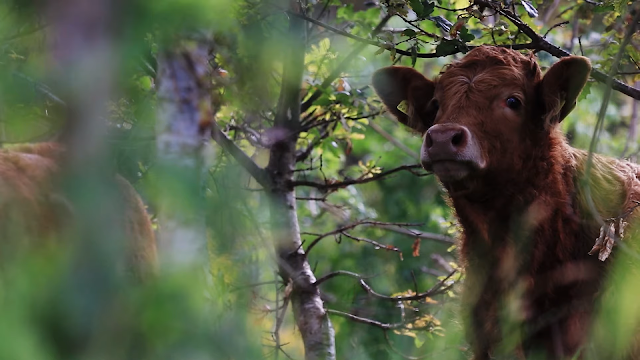
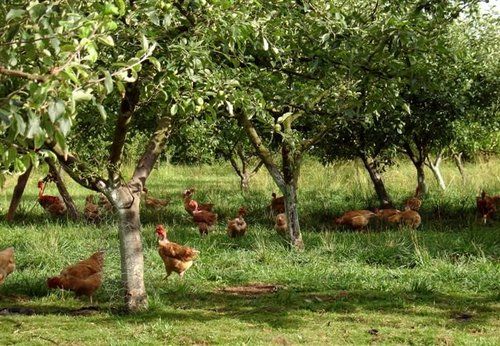
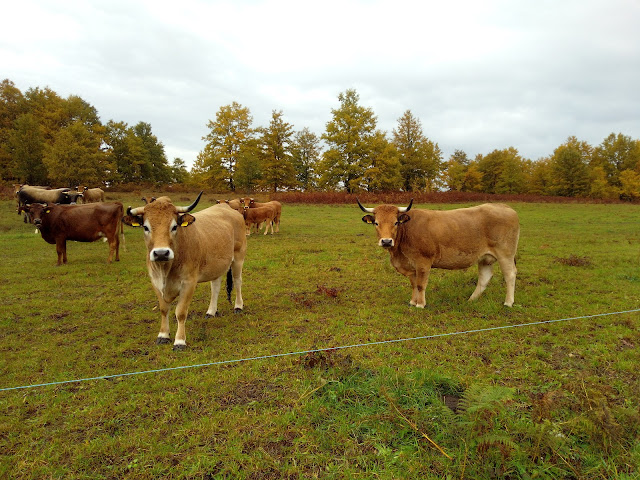
Shade Grown Livestock in Agroforestry


The welfare benefits of shade in cattle operations have been documented, yet there are some inconsistencies between studies, particularly in behavior patterns in shaded and unshaded groups. Studies have shown reduced physiological responses to heat stress, performance benefits, and increased use of shade in cattle provided the opportunity to utilize shade in the weather outside of their thermoneutral zone. Common reasons for not providing shade on operations are often related to the cost of the investment paired with the assumed unclear benefits and the questionable need for shade in certain regions. 


Fraser’s framework for animal welfare was discussed, identifying the need for a holistic approach to welfare assessment when evaluating the impacts of shade on overall cattle well-being. Current research focuses on performance indicators in part due to the fact that if the economic value can be found with shade implementation, then the return on investment becomes extremely clear. It is important for stakeholders to expand their vision of animal welfare to include things such as cattle preference, mental state, and opportunity for choice in their environment when evaluating the value of shade to cattle welfare. Future research should focus on quantifying current shade provision across the supply chain, understanding producer perspectives of cattle shade need, including indicators of the affective state into studies, and assessing the economics of shade implementation.

Benefits of Shade Grown Livestock

One visible effect of including trees in pastures is the shady haven which they provide for livestock o­n hot summer days. The benefits of providing protection from the hot rays of the summer sun are obvious. After all, that is why we wear a hat! It easily follows that animals, which are unable to shelter from the direct sun during the heat of the day, will have to expend energy to deal with their discomfort and/or reduce their feeding activity. Their productivity should decline in proportion to the time spent under these unfavorable conditions. Increased livestock production during hot weather is often promoted by agroforestry as o­ne of the benefits of having trees. However, there is very little published research available to either verify or disprove this widely held belief.


Cattle may orient their pasture use to be near sources of shade. But how much does livestock performance really improve when summer shade is provided? This is a harder question to answer than you might think. Millions of cattle are successfully raised in the hot humid summers of the Midwestern and Southeastern states without shade. So, would shade increase their performance? Shade has generally been useful in increasing milk yields of dairy cattle and live weight gains of feedlot cattle in hot climates. This is especially true for European breeds of cattle in areas that are both hot and humid (Blackshaw and Blackshaw 1994). However, high concentrations of high-producing animals consuming relatively high-energy rations are somewhat different than the conditions typical of forage-based cattle production in pastures and rangelands.


Surprisingly few reliable studies of cattle productivity with and without shade have been done under realistic pasture conditions. I could o­nly find two controlled comparisons of cattle grazing in pastures with vs. without shade in the regularly published literature. The greatest effect of shade trees o­n summer weight change in free-ranging cattle was reported for European breeds of cattle in Louisiana (McDaniel and Roark 1956). Averaged over 4 years, cows grazing under scattered pines spent about half an hour more time grazing each day and gained 1.29 lb./head/day compared to cows grazing open pastures, who lost weight during the summer. Unfortunately, no pasture data are provided.


It is not possible, therefore, to completely separate shade effects upon forage quantity and quality from its effect o­n animal thermoregulation. Much more modest increases in summer weight gains were reported for cattle with access to artificial shade structures in Oklahoma (McIlvan and Shoop 1970). During 4 years, weight gains of Hereford cattle were increased 6, 9, 1, and 11% by artificial shades, with the greatest impact of shade seen during hot and humid weather.


Blackshaw and Blackshaw (1994) summarized the literature relating shade to heat stress in cattle. As they explain the situation, cattle receive heat directly from the sun when standing in the open. Dull, dark-colored hair absorbs most sunlight, which is converted to heat. White, shiny coats reflect much of the energy, and less is converted to heat. Shade can be very helpful in reducing heat loading from the sun's rays, especially for dark-colored animals. However, quite a bit of heat can be received after being reflected from bare soil or nearby objects. Shade is not very effective in protecting cattle from reflected radiation. For example, a California study found that 33% of the heat load received by a shaded animal was reflected from the ground and 28% came from the overhead shade material. Total heat load was o­nly reduced by 30% under shade compared to out in the sun.


Metabolic heat generated from the digestion and use of energy contained in food can also be a significant source of heat. Approximately 35-70% of the energy which cattle extract from food is converted to heat. Active animals and those consuming large amounts offered can generate significant amounts of internal heat. Shade has no direct effect on this heat source. So, although shade may reduce the heat loading of cattle, it probably o­nly directly affects less than a quarter of the total heat energy cattle must deal with o­n a sunny day. This reduction may be important under severe heat conditions or when livestock is under stress because of other factors. It is less likely to be crucial for acclimated cattle that are otherwise well-fed, well-watered, and healthy.


Cattle lose heat primarily by transferring it to cooler air, and by evaporation of water from sweat and from moist tissues in the respiratory system. The cooler air temperatures under trees are very helpful in increasing heat transfer from animals. This is probably as important in the general cooling effect of shade as is protection from direct sunlight. It is less effective, however, for naturally well-insulated animals, such as some of the northern European breeds of cattle, which have thick coats of hair. Shade trees do not reduce air temperatures under windy conditions and still air under trees may be more humid as well as cooler than that out in the open pasture. Because of the major role that the evaporation of water plays in heat transfer, heat stress is much greater under humid conditions than under dry heat.


The issue of heat stress is further complicated by both physiological and behavioral adaptations which cattle make to reduce the effects of heat. Heat stress may reduce animal performance in two ways. First, it may depress grazing and food intake. And second, animals may resort to panting or other actions that consume energy. Cattle breeds differ markedly in their ability to tolerate heat. In general, Brahman-type cattle are more heat tolerant than are northern European breeds. However, much heat tolerance is behavioral. Cattle may successfully deal with lack of shade by restricting their grazing and traveling to the cooler hours of the day or night and by standing together in areas of good airflow.


So, where does all this leave agroforestry? There are many sound esthetic, ecological, and economic reasons for including trees in pastures. It makes intuitive sense to most of us that shade should increase comfort and improve animal performance. However, the factual basis for improved livestock production due to shade is very limited. We need to be careful about advocating shade as a means of reducing heat stress. Protection from sunlight o­nly reduces o­ne of several sources of heat which contribute to thermal stress in animals. Livestock has both physiological and behavioral mechanisms they can use to counter environmental stresses. Livestock performance is unlikely to be greatly improved by shade unless heat stress is sufficiently great and of adequate duration to overcome these coping mechanisms. Such conditions are probably less common under traditional range and pasture production systems than we think.

Literature Cited
Blackshaw, J.K., and A W. Blackshaw. 1994. Heat stress in cattle and effect of shade o­n production and behavior: a review. Aust. J. Exp. Agr. 34:285-295.

Cook, J.G., L.L. Irwin, L.D. Bryant, R.A. Riggs, and J.W. Thomas. 1998. Relations of forest cover and condition of elk: a test of the thermal cover hypothesis in summer and winter. Wild. Mono. 141:1-61.

McDaniel, A.H., and C.B. Roark. 1956. Performance and grazing habits of Hereford and Aberdeen-angus cows and calves o­n improved pastures as related to type of shade. J. Anim. Sci. 15:59-63.

McIlvain, E.H., and M.C. Shoop. 1970. Shade for improving cattle gains and rangeland use. J. Range Manage. 24:181-184. 

Ockenfels, R.A., and D.E. Brooks. 1994. Summer diurnal bed sites of coues white-tailed deer. J. Wildlife Manage. 58:70-75.