Thursday, July 4, 2024

Energy storage and battery manufacturers.


Think of energy storage, and what do you think of it? Probably lithium and nickel. But what about salt and bricks? One of the big challenges for the energy transition is storage. It’s a particular problem for industrial-scale buildings and areas that need a lot of energy. Currently about half the energy demand is heat, and electric batteries are (most of the time) the ones providing it.

China’s 2023 solar exports hit a record high with over 40% growth for all equipment. The surge was dominated by modules that reached a new high of 227 GW. Meanwhile, cells had the most rapid growth at 61.6% to 38 GW.  

The country consolidated its control over module supply chain manufacturing, with its share exceeding 80%. Our research reveals that Asia Pacific (excluding China) hosts most Chinese overseas facilities, totalling over 70 GW of production capacity for cell and module. 


However, despite this record growth, export revenue dropped by 5.6% to US$49 billion due to a decline in prices driven by oversupply. As more markets continue to adopt local content requirements (LCRs), China will start to face increasing constraints for solar exports. In response to growing LCRs, Chinese players are globalizing manufacturing capacity to offset a loss in exports.

Europe, the US, and Southeast Asia are among the top markets for Chinese manufacturing investment. Consequently, Chinese storage investors and manufacturers have grown their overseas footprint to 22 countries.  

However, due to a loose trade policy, only a maximum of 20% of the overseas capacity planned by Chinese battery manufacturers will be applied in the energy storage segment.

Environmental concerns and talent shortages are hindering the operation of overseas factories. However, despite high capex and long construction cycles, Chinese manufacturers are still investing in overseas facilities to get closer to the downstream market and expand customer relationships.  

They are also attracted by government subsidies at all levels to absorb investment and create jobs, including grants, tax breaks, and low-interest loans.  

Our research finds that the large regional variation in lead time is due to the dominance of Asian sources for raw materials and manufacturing equipment, as well as challenges in obtaining environmental impact assessments and permits. Likewise, obtaining safety, production and sales licenses vary across regions, as does construction efficiency, and the availability of talent to run factories.

Europe and the US are the top lithium-ion battery export markets for Chinese players. All the while, China is cooperating closely with South Korea in the battery supply chain, with considerable import and export volumes being exchanged. 

Our insights reveal that Chinese manufacturers are likely to maintain their export advantage on energy storage products due to their high productivity and low costs. Elsewhere, factories outside of China still face various long construction cycles, slow production capacity ramp up, and unverified product quality. 

Indeed, most overseas production capacity has been allocated to electric vehicles (EVs), limiting the local supply flowing into the energy storage sector, thus leaving a huge opportunity for China's exports. 

Nevertheless, Chinese manufacturers should be cautious of persistent oversupply in the energy storage segment. In 2023, Chinese investment into battery capacity increased by nearly 30%, shifting from EVs to energy storage systems (ESS).  

What’s more, China‘s planned energy storage capacity for 2030 has already far exceeded the world’s demand, exacerbating competition among Chinese manufacturers.   

The problem is not so much money, but time. The hydrogen market faces a range of challenges, from policy uncertainty to lack of offtake, renewable feedstock sourcing, and supply chain challenges. However, hydrogen’s key problem in 2024 is that it’s simply too expensive to produce and transport. 

Costs have risen for all renewable markets since 2020, and hydrogen is no exception. For one thing, hydrogen projects are capital intensive, and higher risk means higher than average rates for borrowing in what is already a high-rate environment. For another, the levelised cost of electricity (LCOE), a key element of the levelised cost of hydrogen (LCOH), has surged.  

Policy support in the form of production-side incentives and decarbonization mandates is helping to reduce both price and offtake risk, which in turn is enabling first-mover projects to obtain debt more cheaply. However, aside from electricity costs, a series of other issues remain that continue to impact hydrogen production costs.  

Currently, engineering, procurement and construction firms (EPCs) and original equipment manufacturers (OEMs) have a lack of experience of commercial-scale hydrogen projects. As a result, EPC capacity is constrained, and project cost estimates tend to be high. At the same time, economies of scale are not yet being realised.  

Similarly, project developers and owners themselves often lack experience. They are therefore likely to go back to the drawing board multiple times to reduce costs and potentially change scope in what is a relatively new and unpredictable market. Meanwhile, higher contingency costs and additional supervision add to owner budgets. 

In time, though, capital costs will decrease as OEMs and EPCs develop greater expertise. Standardization will reduce the amount of engineering required for each project, while OEMs will be able to increase manufacturing and diversify suppliers to reduce risk. 

Where you need heat, you need a big battery. Or do you? There are plenty of options on a residential scale, but what about industrial?

In California, a company called Rondo is approaching the issue of heat delivery to commercial-scale buildings with a novel solution: they’re using bricks to store energy at half the cost of green hydrogen or chemical batteries. 

Finally, another innovative way of storing energy in the form of heat comes from the Norwegian-based company Kyoto. What they call the Heatcube is a structure of vertical tanks filled with molten salt, that are charged by renewable electricity at periods of low cost. Installed at the site where heat is needed, the Heatcube stores it at 500c for use when required. An effective power-sourcing strategy will also be important, particularly in the near term, with geographies needing to play to their strengths in this respect and optimize accordingly.

Wednesday, June 26, 2024

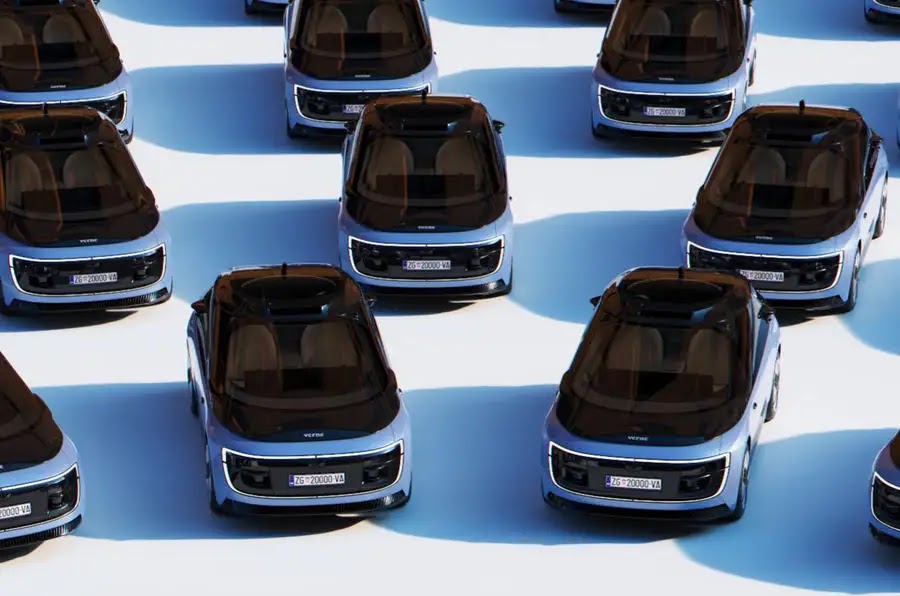
Verne: Journey to the future of mobility


Rimac launches Verne as self-driving two-seater


Meet Verne. Hello, world! Let's journey together!

Verne: Journey to the future of mobility

26.06.2024


Verne, a redefined approach to urban autonomous mobility in cities, has been introduced. Founded by Mate Rimac and two of his closest colleagues and friends from Rimac Group - Marko Pejković, now CEO of Verne, and Adriano Mudri, the designer of Nevera and Chief Design Officer at Verne.


The unveil event was held at the new Rimac Campus outside of Zagreb. The three founders showed a radically different autonomous vehicle design and the functionalities that the future mobility service will have.


The new service and its ecosystem are based on three key elements: a fully autonomous electric vehicle, a bespoke app, and specialised infrastructure. The first service will be launched in Zagreb in 2026.


URBAN AUTONOMOUS MOBILITY ECOSYSTEM


New urban autonomous mobility ecosystem is based on three key elements:


Fully autonomous electric vehicle


The vehicle is built on a completely new platform designed around safety and comfort, engineered solely for autonomous driving using the Mobileye Drive autonomous platform. It is completely rethought, conceived, designed, and engineered as a safe and comfortable autonomous vehicle. Built from the ground up it is free from the compromises and disadvantages necessary in using a legacy platform built for human driving.


Mobility service platform (MSP)


It’s a re-envisioning of the ride-hailing app and mobility platform. The customers can personalise the vehicle’s settings via app before ordering a ride. That way, the vehicle will be set exactly how you like it with the comfort, lighting, temperature and even scent. Even though the customer will never own the vehicle, it will be tailored to feel like your own. On the backend, Verne uses all the benefits an autonomous connected fleet provides to make the service run smoothly and efficiently in every city.


Infrastructure


In each city where Verne will operate, there will be a specialised infrastructure called the “Mothership”. It is a place where the Verne vehicles will be inspected, maintained, cleaned and charged daily. This ensures that the customer always gets a safe and clean vehicle.


Additionally, Verne is building its first production facility in Croatia to produce autonomous electric vehicles that will be deployed worldwide.


NEW CHAPTER, NEW NAME - VERNE


Adriano Mudri, Chief Design Officer (CDO) at Verne announced a new brand: “It was tricky to find the right name for our new endeavour that fits the vision. But once it clicked, it clicked, and it was easy to decide. We named ourselves after the Jules Verne, the famous author, who is said to be ‘the man who invented the future’. Just as he used the theme of travel as the driving force in his storytelling, we use it as our inspiration in shaping a future filled with imaginative innovation


and tangible achievement. His faith in the future and his spirit sparked the curiosity in generations of scientists and explorers. Making things that sometimes seem impossible, possible.”


HOW IS OUR APPROACH DIFFERENT - WE WANT TO GET THE USER EXPERIENCE RIGHT


At Verne, we believe it’s not about being the first, but it’s about creating the perfect customer experience. We want to make a difference with our holistic integrated approach, which is designed around the best possible experience.Co-founder of Verne, Mate Rimac: “The end result would be the best possible mobility experience for everyone. This means that every customer will have a better service than the best mobility service enjoyed by the very rich, through the service that is affordable for all. You will have a safe and reliable driver, a vehicle with more interior space and comfort than the best limousines today, and a service that will be tailored to your needs in every possible way. The service will also provide customers with much more than just transportation from point A to point B.


It frees up your travel time, allowing you to think, learn, or relax. Improving your life with every trip. We are shifting the attention from the technology itself to its benefits. Verne will transform travel time into a chance for personal growth, discovery, and enjoyment. In essence, enriching lives in every journey you take”.


VERNE VEHICLE - KEY FACTS AND DESIGN


Verne is nothing like you can currently see on the streets. It is developed on a new purpose-built platform that uses all the benefits of the autonomous-only approach, without a steering wheel or pedals.


AUTONOMOUS DRIVING SYSTEM – MOBILEYE


The cooperation with Mobileye, a world leader in autonomy, enables Verne’s autonomous capabilities. The vehicle will be fully autonomous, with a system capable of driving in dynamic urban traffic.


For the past several years, the company has been cooperating with Mobileye. Mobileye's advanced AD platform Mobileye Drive will be integrated into the Verne vehicle and together with a sophisticated sensor set of cameras, radar and lidar enable the automated driving capabilities. The platform is designed to be highly flexible and scalable, to meet the demands of autonomous driving in a variety of locations, on different road types, under varying weather conditions and even taking local driving styles into account, within its operational design domains. All of this is crucial for Verne’s future rollout plans.


VERNE VEHICLE - INTERIOR DESIGN AND UX


The Verne vehicle will have two seats and an interior concept that completely redefines the idea of a vehicle space.


Adriano Mudri said: “Why a 2-seater? Because the data shows that 9 out of 10 rides are used by 1 or 2 people. Therefore, we can satisfy most of all trips with a two-seater and create unmatched interior space in a compact-sized vehicle. We completely redefined interior space. More space than a Rolls-Royce to relax and spend your time well.We optimized the door opening so people can just step in and sit down straight away. Sliding doors were designed not to obstruct traffic flow around the vehicle while still arriving in style. Once inside, passengers can stretch out their legs and get super comfortable. We wanted to make the interior less automotive and more like a living room. There is no typical dashboard, no steering wheel, and no pedals. But an ultra-wide 43-inch display that you can use. This is for entertainment but also to get information about the journey during the ride.”


The Verne vehicle is the perfect place to listen to your music or watch movies. With unmatched comfort, the ultrawide screen and 17 speakers for superb audio quality.


The cabin will be preconditioned and set just the way you like it regardless if it’s hot or cold outside.


The ambiance - sound, and light can accompany your every mood. To calm you, to invigorate, to entertain. The extra-large seats enable 5 different levels of comfort and enjoyment to either work, relax or rest.


Between the seats, there is a Touchpad for interaction with the in-vehicle system, where you can easily adjust the vehicle’s settings. Here is also a key feature that lets you be in control of the most important parts of the ride - the Median. The Median is physical switch used to start and stop the ride, giving an additional sense of control over the autonomous vehicle to the customer.


Above you will be a rounded sunroof - the Halo ring. Nothing like you have ever seen before, it is a portal to new journeys and enables new views of the cities.


Finally, Verne made sure to develop materials that are fit for purpose, to requirements of durability and misuse but at the same time also make it look and feel inviting, premium and cozy.


VERNE VEHICLE - EXTERIOR DESIGN


A key signature of the design, the one that makes Verne stand out in an urban environment, is the general proportion of the vehicle. The unique shape is a result of designing the vehicle from the inside out, as well as the safety-first approach. Verne merged a smooth, encircling, spaceship-like canopy on top with an elegant and solid lower body.


“We managed to achieve a very sleek design despite the additional content, compared to regular cars. We deeply integrated cameras, radars, short and long-distance-lidars, and their cleaning systems. At the same time, we were able to simplify the appearance by removing the typical human-driven vehicle features. We got rid of the windshield wipers. The same goes for side-view mirrors. This makes the aerodynamic performance more efficient and allows for easier cleaning. One typical element of an automobile we kept is the trunk. So you don't need to worry if you‘re going to the airport with a lot of luggage or just finished a major grocery shopping”, Mudri stated.


The design merges the usually exclusive comfort of an executive limousine onto a vehicle with the dimensions of a compact car. This has never been done before.


RIDE-HAILING APP


This is all you need to start the journey. With the app, you can easily hail the vehicle, check its real-time location, see how long it will take to pick you up, and rest assured that it won’t be cancelled. Each ride can be personalized - from temperature to scent - ensuring that every journey is not just about reaching a destination, but about enjoying the beauty of the ride. This effortless experience gives you the peace of mind and convenience that you deserve. The more customers customize the vehicle, the deeper the comfort and sense of ownership.


INFRASTRUCTURE - MOTHERSHIP AND PRODUCTION FACILITY


Key part of our ecosystem and the service is the infrastructure, or as we call it - the Mothership.


“Mothership is a home where our Verne vehicles are taken care of. Here is where the Verne vehicles get inspected daily, get maintained daily, get cleaned daily, and get charged, so that they are always safe, clean, and ready to take you on a new adventure. The first Mothership will be built in Zagreb, next to our HQ”, said Marko Pejković, CEO of Verne.


Pejković also announced that the company is starting to build a production facility in Zagreb.


More info:

https://www.letsverne.com/

 info@verne.team

Tuesday, June 18, 2024

Spirulina


Protein in spirulina can reduce the body's absorption of cholesterol, lowering cholesterol levels. This helps keep your arteries clear, reducing strain on your heart that can lead to heart disease and stroke-causing blood clots. Its protein also lowers triglyceride levels.

Your choice. Who doesn't believe, there is a big pharmacy near? As those most affected are the sick, the poor and the least educated, free market successes appear to pose unsolvable challenges to social justice in public health.


Massive advertising to physicians and the public gets increasingly sophisticated: ghostwriting, professional guidelines, targeting consumer groups, and manipulating media for disease mongering. Pervasive lobbying and political ties limit the independence of regulatory bodies. Obligation to shareholders overriding public health considerations is not unique to the pharmaceutical industry. The chemical, tobacco, and food industries share similar tactics: proclaiming doubts about safety issues, buying researchers, and infiltrating universities, boards, media, and legislative agencies.


Your choice.


#spirulina #ccres #hcoie #zeljkoserdar

Tuesday, June 4, 2024

Bonn Climate Change Conference


Setting a new goal for climate finance from developed nations to developing nations will be a key task at COP29 later this year.

At the conference in Bonn, countries are tasked with reaching agreements that will serve the negotiations at the UN climate conference in Azerbaijan. It will help to narrow down what the climate finance goal could look like post-2025 and intermediary goals for spending on things like mitigation, adaptation and loss and damage. It will also help determine what form this finance takes - grants or loans.

We estimate that renewables are on course to generate 66% of EU electricity by 2030. This is a rapid and significant increase on the level in 2023 (44%) but falls short of the 72% REPowerEU target.

We need to see higher renewable contributions within member states' national plans, matched with faster permitting with quality for the deployment of wind and solar, along with the expansion of the EU's grid network in an inclusive and nature-positive manner.

The proposal to triple renewable energy capacity was signed by 118 countries under the so-called Global Pledge in Dubai.

“With these goals we are providing them [industries and investors] with clarity and predictability about the future… They will know how much additional capacity we need by 2030 and this will help them plan their business and investments,” European Commission Ursula von der Leyen said at the COP28.

Thirteen EU countries have backed the idea of further accelerating the deployment of renewable energy in a position paper published after the Commission communication on the 2040 climate target in February.

Austria, Denmark, Estonia, Germany, Greece, Ireland, Latvia, Luxembourg, Malta, the Netherlands, Portugal and Spain said such feat will be a “key task” for the next Commission as well as to ensure a robust energy system integration to make the energy system fit for integrating the projected amounts of renewable energy sources.

Countries need to accelerate implementation and move their ambitions higher to align with the tripling goal in yet another effort to limit global warming to 1.5°C as set out in the Paris Agreement.

The amount of renewable energy capacity added worldwide has tripled since the Paris Agreement was signed in 2015.

Many countries have turned to solar and wind following a sharp drop in cost, along with efforts by governments to lower emissions and strengthen their energy systems. The cost of solar and wind technology has dropped by 40% since 2015, making them more competitive with fossil fuels.

This report makes clear that the tripling target is ambitious but achievable – though only if governments quickly turn promises into plans of action… By delivering on the goals agreed at COP28 countries worldwide have a major opportunity to accelerate progress towards a more secure energy system.

Goal to triple renewable power by 2030 is achievable but countries need to put more effort on implementing energy and climate pledges, the International Energy Agency said.

Countries are not on track to triple renewable energy capacity by 2030, despite their national energy and climate pledges, an analysis from the International Energy Agency (IEA) warns today (June 4).

Official commitments in national energy and climate plans currently amount to 1300 gigawatts, IEA stated, only 12% of the goal set at COP28 of tripling capacity. If countries  implemented all their pledged ambitions for 2030 however, that would amount to 11,000 gigawatts of installed global renewable capacity.

This is led by European countries, the report stated, which contribute a fifth of the pledged global total — the second highest contributor after China. Germany alone makes up a quarter of Europe’s ambition on renewable capacity, followed by France, Italy, Spain and the UK, which together contribute another third. 

Following the first Global Stocktake (GST) which measured collective progress towards Paris Agreement goals, this is an opportunity to work out what a good NDC looks like. Bonn provides an opportunity to interpret the outcome of the GST in a way that puts the world on track to limit global warming to 1.5C.

It’s also a chance for ambitious, early movers to get ahead, deliver their NDCs early, and help accelerate the global shift to renewable energy.

The EU is one of these potentially ambitious early movers as it discusses its next 2040 emissions reduction target. But, currently lacking a clear way forward and with European Elections imminent, it remains to be seen what progress the bloc can make at the conference in Bonn.

Thursday, May 23, 2024

Steže se obruč oko Anthonyja Faucija


Objavljen memorandum s dokazima koji teško inkriminiraju bliske suradnike dr. Faucija.

U Sjedinjenim Državama jučer je kongresni Committe on Oversight and Accountability objavio priopćenje za medije s dramatično teškim optužbama na račun jednog od najbližih suradnika dr. Anthonyja Faucija, a u kojem upozoravaju na važnost vlastitog memoranduma pod naslovom "Allegations of Wrongdoing and Illegal Activity by Dr. David Morens, Senior Advisor to National Institute of Allergy and Infectious Diseases former-Director, Dr. Anthony Fauci" (Optužbe o zlouporabi i nezakonitim radnjama dr. Davida Morensa, višeg savjetnika Nacionalnog instituta za alergije i zarazne bolesti, bivšeg ravnatelja, dr. Anthonyja Faucija). 

Dokumenti koje je objavio kongresni Committe on Oversight and Accountability, ključni i najvažniji istražni komitet Zastupničkog doma, a njihovi zaključci su doista spektakularni te dovode dr. Faucija u jako neugodnu situaciju.

To je drugi strahoviti udar na ionako nagriženu reputaciju američkog epidemiološkog cara Faucija u razmaku od samo nekoliko dana, koji je tijekom pandemije propagirao strogu epidemiološku politiku, ali i s gađenjem poricao svoje direktne ili indirektne veze s etički problematičnim istraživanjem opasnih virusa u kineskim laboratorijima. 

Prije samo nekoliko dana, naime, već je snažno odjeknulo suspendiranje financiranja američke neprofitne organizacije EcoHealth dr. Petera Diszeka, bliskog Faucijiu, koji je dobivao milijune dolara jer "nije uspio adekvatno nadzirati i izvješćivati ​​o rizičnim eksperimentima s virusima na Institutu za virologiju Wuhan, kršeći uvjete savezne potpore i zahtjeve za biosigurnošću".

image


"Dokazi putem e-pošte sugeriraju da je dr. Fauci koristio svoju osobnu e-poštu za obavljanje službenih poslova. Ovo postavlja ozbiljna pitanja o tome je li dr. Fauci sudjelovao u zavjeri među najvišim razinama NIH-a za skrivanje službenih zapisa povezanih s podrijetlom COVID-19."


To be continued


Wednesday, May 15, 2024

California's grid faces collapse


From Croatia's point of view, the "rush-to-green" policies of the Biden administration and congressional Democrats are based on a false premise that intermittent power generation can meet energy demand in the United States. 

This belief, and its forced reliance on China for the components necessary to implement the policy, is detrimental to Americans’ standard of living and safety. 

Most of my colleagues and I support renewable energy from wind, solar, geothermal, and, potentially, hydrogen. We also help clean, renewable energy that comes from one of the oldest sources of energy production — hydropower. 

The truth of the matter is that in many places we've seen how the US energy grid is already dangerously close to failing because we're not paying enough attention to sustaining the grid. This is going to result in blackouts. And we've already seen them. 

Currently, renewables cannot provide that always-on, always-available energy that USA requires. In its "rush-to-green," the administration forced certain energy generation, like coal and natural gas, to be taken offline or made it extremely difficult to operate.  

Renewables will be a part of energy matrix, but they must work in tandem with always-on baseload power generation. This is due to renewables’ ability to only generate power intermittently, not 24/7/365. From households to municipalities to manufacturing, Croatia like America relies upon always-on, always available electricity 24 hours a day, seven days a week, 365 days a year. 


Saturday, April 27, 2024

Smart and sustainable cities


Many EU cities are already struggling with environmental degradation, traffic congestion, inadequate urban infrastructure, and a lack of basic services, such as water supply, sanitation, and waste management. The ecological footprints of cities are quite alarming and can threaten the natural resources required to sustain economic development and poverty alleviation rates. Maintaining economic growth, while creating sustainable livable cities for all, is the biggest urban challenge facing Europe, Asia, and the Pacific today.

CCRES is promoting sustainable consumption and production practices across Europe, Asia, and the Pacific to address inefficient resource-use patterns, and cities are the centerpiece where such issues need to be addressed. Since 80 percent of the GDP comes from its urban areas, the quality and efficiency of European, Asian, and Pacific cities will determine the region’s long-term productivity and overall stability. However, inefficiencies, such as unmet demand for urban services (water, energy, and transport), and huge financing requirements hamper economic growth and impede inclusive development, trapping the poor in slums. City pollution—air pollution, ineffective wastewater treatment, and solid waste management—remains a constant problem. EU cities contribute enormously towards the emission of greenhouse gases. They are also highly vulnerable to the consequences of climate change, including flooding, landslides, heat waves, and drought. These urban challenges have very significant impacts on the national economies.

Cities generate over 80 percent of gross domestic product in many countries in Europe, Asia, and the Pacific and are engines of economic growth that have lifted millions from poverty. This economic growth is accelerating rural-to-urban migration. Asia’s cities will become home to another 1.1 billion people in the next two decades as the poor continue to be drawn to better opportunities. Today, approximately 700 million people live in urban slums.

The cities included in this report are those that reinvest the profits obtained from social services and policies into environmental actions to improve the quality of life of their inhabitants and that are taking a long path toward of sustainability. 

Oslo

Oslo tops the list of the world’s most sustainable cities because of its efforts to preserve its green spaces – a whopping 47% of Oslo is green. Additionally, the city’s use of mainly renewable energy means it’s on track to achieve almost zero emissions in 2030. Moreover, it places a concerted effort on sustainable plant-based and seasonal foods as well as social and ethical procurement.  

Stockholm

Stockholm’s efforts to become more sustainable actually began in the 80s when it started to experience environmental issues like water and air pollution. Today, Stockholm is considered the 2nd most sustainable city because of its expansive public transportation system, community of cyclists, energy efficient buildings, comprehensive waste management system, numerous green spaces, and last but not least, its target to become fossil fuel-free by the end of 2024.

Tokyo

Ranking 3rd overall, Tokyo is considered the most sustainable city in the APAC region. In fact, it’s the only Asian city in the top 25. This is largely in part because of Tokyo’s commitment to the planet and people's sustainability pillars. By 2050, the city seeks to achieve its net-zero carbon goal, and it ranks highly in terms of crime, connectivity, transportation, health, and work-life balance.  

Copenhagen

Some of the reasons why Copenhagen tops the list is because of the city’s many sustainability initiatives like achieving carbon neutrality by 2025, transitioning buses from diesel to electric, and devoting more roads to cycling. Moreover, a quarter of Copenhagen’s total food sales is organic and most of its electricity comes from wind and solar energy thanks to the world’s largest cleanest waste-to-energy power plant. 

Berlin

Berlin’s many parks, gardens, and trees located throughout the city make it one of the greenest cities in the EU. It aims to become climate neutral by 2045, which seems feasible considering it’s already but its CO2 emissions by a third since 1990.  

London

In 2018, London was actually considered the world’s #1 most sustainable city, revealing that since Brexit, the city has declined in terms of the 3Ps. However, the city ranks 6th on the 2022 list because of its sustainability initiatives such as the city’s bike schemes, accessible public transportation network, and improvements to air quality. 

Seattle

As the first most sustainable city in the US, Seattle is setting an example of through action. 80% of the city’s power is generated from clean, carbon-free hydroelectricity and it recently implemented the Clean Car Law which requires all vehicles sold to be zero-emission. However, efforts aren’t just planet-focused. Interweave is Seattle’s community-led sustainability accelerator which helps to create an equitable & sustainable economic region as well.

Beyond the top 7, however, there are many examples of cities innovating in unique ways. Cape Town, for example, is comparatively far down the rankings overall but is making strides in facilitating its citizens’ access to information and improving liveability. Santiago, meanwhile, has made significant progress on several green initiatives, reducing the number of days with poor air quality by 70% over the past decade. Measures taken by the Chilean capital include converting 30% of its bus fleet to electric.

Elsewhere, Melbourne, Australia is leading the way in biophilic urban design – integrating nature into the fabric of the city. Examples include the Data in the Park initiative, where interactions and behaviors in public spaces are analyzed to help improve green spaces' management, maintenance, and design. Cities are home to a growing majority of the world’s population, and so ensuring they thrive as sustainable, inclusive, and liveable hubs is an ongoing challenge. While each city will have its own path to improvement, many best practices can be identified. These include - prioritizing innovation to address changes, dealing with economic problems such as inflation and rising energy costs, finding a balance between economic growth, social justice, and sustainability, and in the end learning from each other.

Tuesday, April 9, 2024

The role of aerosols


Global climate change is about more than just greenhouse gas emissions — among the many complex systems that impact Earth’s climate, one of the most important is how much sunlight is reflected back into space by bright surfaces such as snow, ice, and clouds. Clouds play a particularly powerful role in the climate system since they can change rapidly and have a strong effect on Earth’s reflectivity. That’s why researchers with the UW Marine Cloud Brightening Program, an international scientific initiative, are working to better understand clouds, and how both inadvertent and possibly intentional changes to atmospheric particles affect clouds.

“Atmospheric particles, also called aerosols, can have a strong effect on sunlight reflection by clouds,” said Sarah Doherty, program director of the Marine Cloud Brightening Program and a senior research scientist with the UW Cooperative Institute for Climate, Ocean and Ecosystem Studies. “As humans make changes to aerosol emissions, we need a stronger scientific understanding of these effects in order to better understand the potential risks and benefits, and to limit unintended effects.”

The role of clouds and aerosols

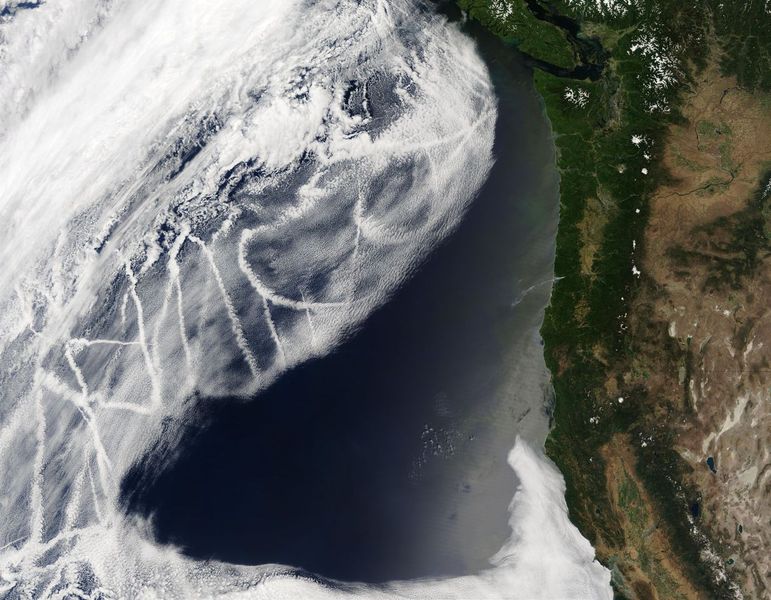
Bright tracks in clouds over the Pacific Ocean
Particulate emissions from ships produce bright tracks in clouds over the Pacific Ocean.

When tiny aerosol particles are released into the atmosphere from both natural sources (such as biological emissions and sea spray) and human activities (such as from burning fossil fuels, wood and vegetation) they mix into clouds and can cause them to brighten and reflect more sunlight back into space. This has a cooling effect on the Earth’s climate.

The idea to better understand the role of clouds in climate — and humans’ effect on it — came about when scientists observed that clouds were being made more reflective, or “brighter,” in regions where they were influenced by air pollution.

A particularly striking version of this is seen in “ship tracks,” the trails of brightened clouds along the routes of ships caused by the small aerosol particles their engines emit. The tracks are bright enough and big enough to be observed from space. In order to reduce this pollution and improve global air quality, recent regulations have significantly reduced shipping and other emissions — but in doing so, they have also reduced the reflectivity of clouds, which could be accelerating global warming.

“There’s now strong evidence that reductions in ship emissions starting in 2020 contributed in part to the anomalously warm waters recently observed in the north Atlantic Ocean,” said Robert Wood, professor of atmospheric sciences and lead investigator of the Marine Cloud Brightening Program. “This really speaks to the remarkably strong influence these tiny particles in the atmosphere can exert on clouds and the absorption of sunlight by the Earth. But the truth is that we still don’t have a very good handle on how big of an effect aerosol changes can have globally because cloud responses to aerosols can vary enormously depending on the type of cloud and on meteorology.”

As scientists investigate these questions, they have also identified new questions: if ship emissions could cause clouds to brighten and reflect sunlight back into space, could a non-polluting version of that phenomenon be used to help cool the planet? And if so, should it?

These are complex topics, and as climate change becomes an everyday reality for people around the world, scientists and governments have recognized the importance of investigating them by recommending further research. In studying the ways that aerosols and clouds interact, the Marine Cloud Brightening Program seeks to inform future decisions by helping humanity understand not just the technical challenges of this kind of climate intervention, but the suite of potential benefits and risks that come along with it.

Understanding marine cloud brightening

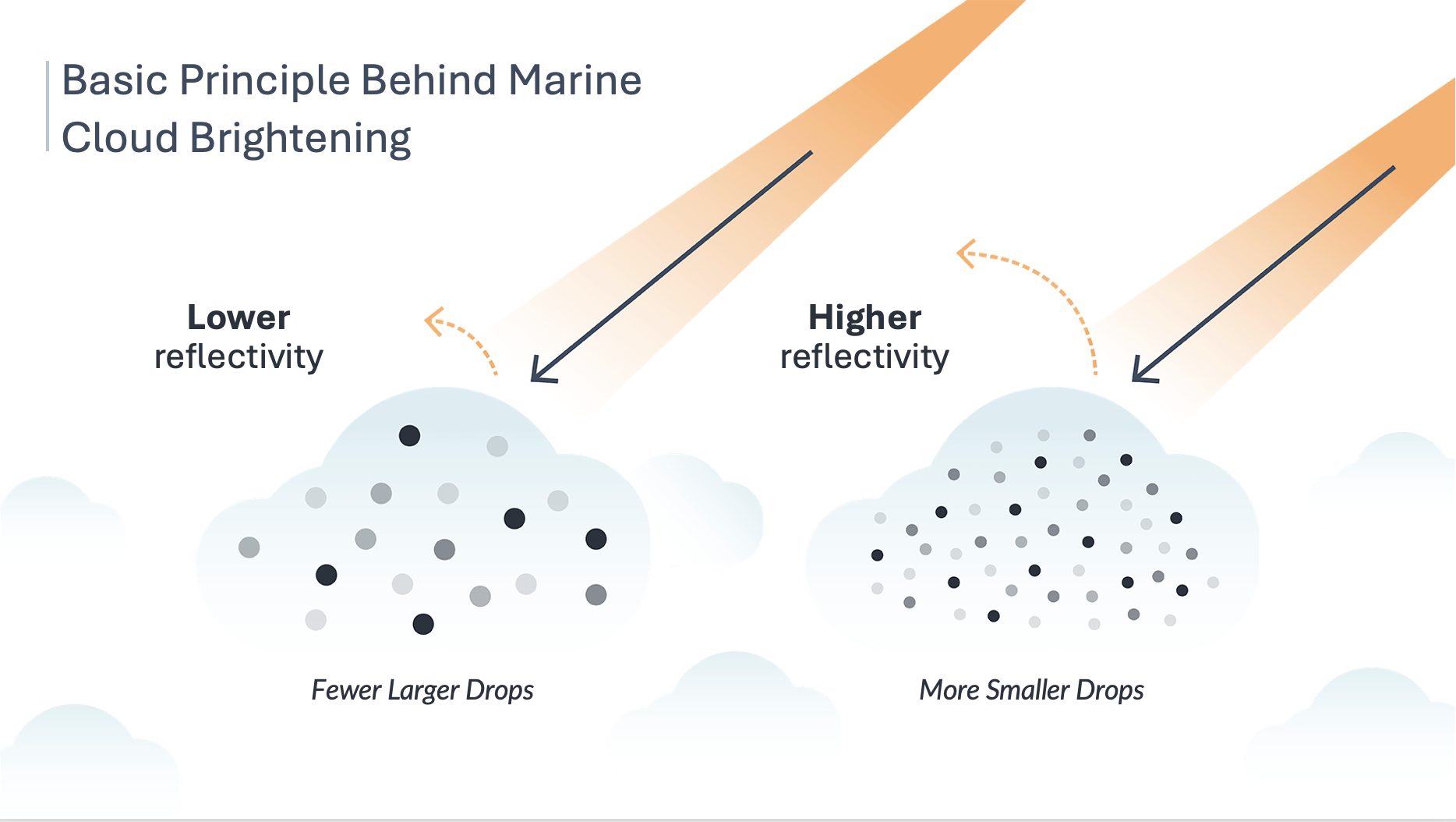
Diagram depicting how droplet sizes and numbers affect cloud reflectivity
Changes to the size and number of droplets in clouds can change how much sunlight those clouds reflect back into space.

Marine cloud brightening (MCB) is one of several proposed climate interventions collectively known as solar radiation modification, or SRM. In this approach, tiny sea salt particles generated from ocean water would be sprayed from ships into areas of low-lying clouds. Once emitted, the particles would remain in the atmosphere for only a few days, brightening clouds over parts of the ocean in order to reduce climate warming.

But before any intervention like this can be considered, it is crucial to fully understand how it will affect the climate system, our oceans and our terrestrial ecosystems.

“The goal of the MCB Program is to understand whether it might even be possible to predictably and reliably brighten low marine clouds, and if so, how doing this in different regions of the globe would affect temperatures, precipitation and climate both globally and locally — as well as any other possible side effects,” said Doherty. “As atmospheric scientists, we think it’s critically important that society has the answers to these questions before making any decisions about whether or not to actually use marine cloud brightening in an effort to reduce climate risks.”

In order to better understand how aerosol particles interact with clouds, and how intentionally brightened clouds would interact with our global climate system, the Marine Cloud Brightening Program researchers are taking a multi-pronged approach.

Computer simulations

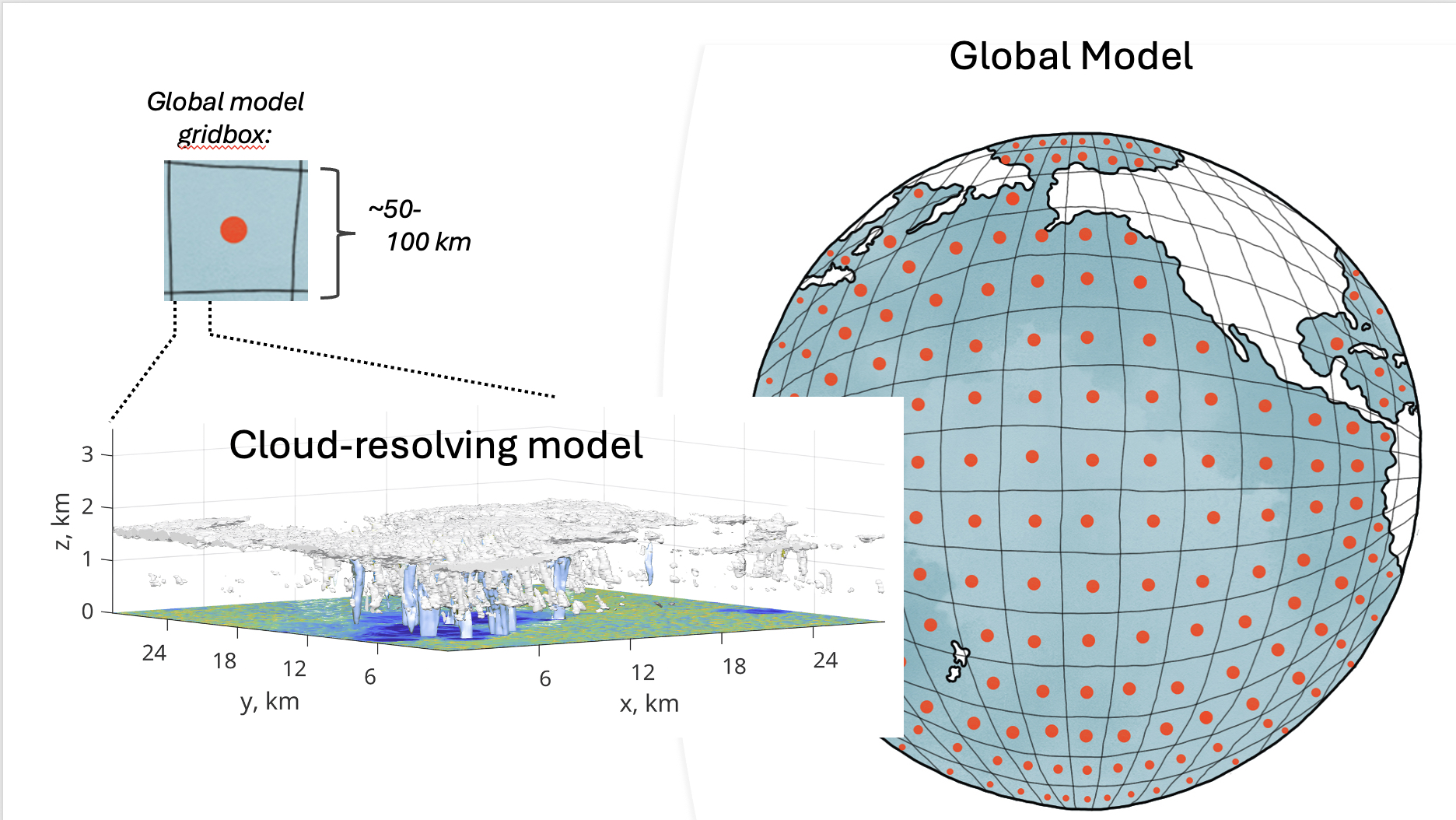
Diagram of the Pacific Ocean broken into square segments for simulating cloud dynamics.
Researchers use computer models to simulate how clouds respond to aerosols locally to inform projections of the effects on climate globally.

The first phases of research have focused on computer modeling. The team is working with models at the global scale to study how aerosol-cloud interactions affect climate, testing the accuracy of their simulations against observations in the field and using them to understand how different MCB implementations would affect future climate. The team is also working with smaller-scale models that simulate the details of clouds to better understand how their reflectivity and other properties are affected by aerosol changes.

“But as with any computer simulations, we need to validate these detailed models against observations because the real world always introduces variables you weren’t expecting,” Doherty said.

Small-scale field studies

To validate the models and measure real-world cloud responses, the team has developed a new approach for controlled studies of aerosol-cloud interactions. That’s where CARI — the cloud aerosol research instrument — comes in.

“In the past when we’ve tried to study how clouds are affected by aerosols, we’ve had to just observe clouds in polluted regions, where it’s difficult to distinguish between changes in the clouds due to aerosols versus other meteorological factors,” said Wood. “Being able to add known quantities of sea salt particles to clouds and compare clouds with different concentrations of aerosols, but that are otherwise the same, will be a powerful new research capability.”

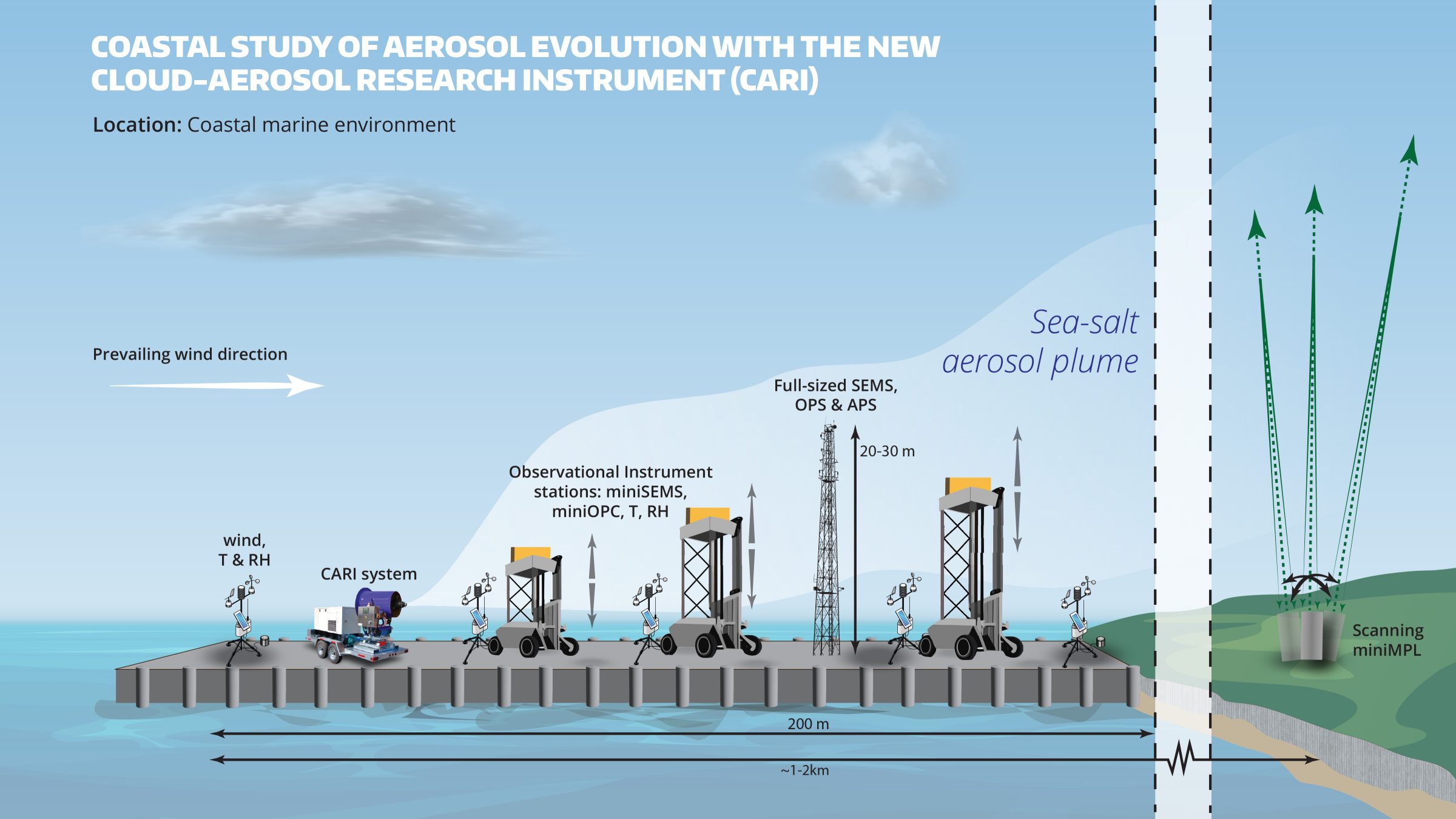
Diagram of a coastal marine cloud brightening study.
The Cloud-Aerosol Research Instrument (CARI) generates a sea salt plume, then measures the generated aerosol downwind to compare with computer simulations.

This spring, the Marine Cloud Brightening Program researchers are putting CARI to the test at a new research facility they’ve established onboard the USS Hornet Sea, Air and Space Museum — a Smithsonian affiliate — in Alameda, CA. There they have begun a series of small-scale studies in which CARI generates a sea salt plume, then measures the generated aerosol at multiple points downwind to compare with simulations generated from high resolution models.

Importantly, these studies are not large enough to have any effect on local weather conditions — naturally occurring sea spray from crashing waves along the coast puts more sea salt mass into the air than CARI, which will also only be run for 30 minutes or less at a time. But the researchers’ sensitive instruments will still be able to gather important data from these experiments.

Partnering with the public and other scientists

In addition to revealing new insights about how aerosols interact with clouds, these early outdoor studies are an opportunity to engage with other stakeholders and members of the public.

To that end, the program has established the Coastal Atmospheric Aerosol Research and Engagement (CAARE) facility, also housed at the USS Hornet Sea, Air and Space Museum. Open to scientists, students, community members, government officials, global stakeholders and members of the public, the research site is also an exhibit.

“This research is of the utmost importance to society, so transparency is crucial,” said Maya Tolstoy, Maggie Walker Dean of the UW College of the Environment. “I’m grateful to our researchers and partners for prioritizing engagement with the public, the scientific community and regulators in line with the University of Washington’s commitment to the public good.”

What’s next for marine cloud brightening?

Whether intentional marine cloud brightening should ever be used to address climate risks is a question that requires extensive scientific research, assessment by scientific experts, and informed and equitable decision-making by a global community of stakeholders.

Beyond the scientific questions being addressed by the Marine Cloud Brightening Program, the effort will continue to expand its direct engagement with the public to help inform, educate and receive input on the research. A high degree of openness and engagement is a critical part of the work, given that both pollution aerosols and any human climate intervention have the potential for far-reaching impacts on people, the climate and wildlife.

The researchers are motivated by a stark reality: As climate change worsens, it becomes increasingly likely that society will look to climate interventions such as MCB to help avoid the worst impacts of climate change. The Marine Cloud Brightening Program aims to provide the information needed to understand their potential benefits and risks.

“Improving our understanding of the influence of aerosols on clouds and climate is essential to understanding near-term climate risks, and whether and how marine cloud brightening could help reduce them,” said Doherty. “If we don’t improve our knowledge now, we’ll be flying blind. The international community needs the best information it can get in order to chart a responsible course into a future with a rapidly changing climate.”

Friday, March 29, 2024

Clean Energy Transition - Net Zero by 2050


China has the largest carbon market in the world and Hong Kong can help connect it globally by establishing an Asia-focused carbon standard and developing a futures market. As a major carbon emitter, the power sector plays a crucial role in realizing the goal of carbon peaking and carbon neutrality. Although there has been a local expansion of wind and solar projects, this is limited due to the environment. It is possible that Hong Kong could create more opportunities for clean energy transition by buying energy from clean sources and supporting renewable energy businesses.  Over the last 7 days, the Renewable Energy industry has dropped 1.3%, driven by a pullback from China Power International Development of 3.6%. The industry has fallen 5.1% in the last year. As for the next few years, earnings are expected to grow by 18% per annum.


What are the most urgent challenges for the sector over the next three years?

1. Cost of Transition


High capital costs associated with clean energy transition are a challenge to the oil and gas industry in Asia, particularly among smaller and emerging markets. Even in developed economies such as South Korea, cost can be a challenge slowing the pace of change.

2. Ongoing demand for fossil fuels


There is an ongoing and – especially in the case of China for example – a growing demand for fossil fuels in Asia. It was unlikely that the majority of local businesses would be able to accommodate a fall in the use of oil and gas in the next few years.

3. Lack of renewables infrastructure


Infrastructure transformation poses challenges in dealing with legacy liabilities as well as significant investment in ensuring electricity grids can store and transmit electricity generated from renewable resources.

Governments around the world have set targets for reducing carbon dioxide emissions. As economies make the move towards sustainable development, small and medium-sized enterprises (SMEs), the backbone of the world economy, are adjusting their supply chain strategies to help them embark on the road to zero carbon with a measurable carbon footprint.

Burning fossil fuels to feed our energy systems accounts for 75% of the world’s total greenhouse gas emissions. The transport and processing of oil and gas alone resulted in 5.1 billion tonnes of emissions in 2022, accounting for just under 15% of the total produced by the global energy sector.

Interestingly, in the year that the US goes to the polls to elect a new president, geopolitics could be a factor that potentially slows clean energy transition in the next few years. 

Asia accounts for a large part of this, with China alone acting as the largest producer and consumer of energy in the world. Although coal accounts for the greatest share of the total energy supply in Asia (48%), oil is second with 23% and natural gas 11.6%. In terms of oil refining, Asia accounts for 38% of the global share.


However, in addition to being a big producer and consumer of fossil fuels, Asia also generates a significant amount of electricity from renewable resources. In 2021, the International Energy Agency (IEA) calculated that 23.5% of the region’s electricity was generated by hydro (13.7%), wind (5.6%) and solar (4.2%). This compares to just 11.8% of electricity generation by oil and gas combined.


China is a key player in many clean energy supply chains and both Japan and Korea have devised plans for decarbonisation.


Of course, Asia is a large continent with different needs, strengths, and drivers across markets, and different perceptions of challenges and opportunities. For example, when we asked our underwriters whether geopolitical issues might impact the transition to clean energy in the local oil and gas industries, our specialists in China said “probably, yes”, whereas in Thailand, Hong Kong, Taiwan, Japan, and Korea the response was, “not so much”.


The oil and gas industry could not shift to clean energy in the short term due to high costs and supply issues. The fact is, it is hard to build a business case for consuming more expensive electric energy from renewables if cheaper oil and gas are on tap.


More than 80% of Taiwan's electricity came from fossil fuels in 2022, making the country’s official pledge to achieve Net Zero by 2050 a big challenge. While there is still significant demand for oil, natural gas, and coal, the industry is increasingly facing pressure from the growth of renewable energy sources, as well as concerns over climate change and environmental impacts, with many companies and governments investing in carbon capture and storage technologies, as well as exploring alternative sources of energy.


Geographical issues do influence which energy sources are most commonly used by different countries in the region. For example, Japan's primary energy source is oil, amounting to about 36% of the country’s overall energy fuel mix, followed by coal (25%) and natural gas (21%). There is a local high dependency on fossil fuels, but this is partly due to the suspension of nuclear power plants since the earthquake in 2011. Domestic demand for oil is getting weaker due to a decreasing population and the growth in alternative energy sources. Meantime, the greenhouse gas emission target is 46% compared to the 2013 level, revised from 26% in April 2021.


What are the greatest opportunities for the sector over the next three years?

1. Growing demand for sustainability


Consumer demand for environmental sustainability presents a good opportunity for long-term growth for industry players who invest in diversification.  What’s more fossil fuels are a finite resource, which means diversification into renewables and other income streams is vital for business sustainability.

2. Repositioning role as energy companies


Some large oil and gas companies are set to make a switch to energy companies that supply a diverse range of energy services, particularly electricity.

3. Improved brand image


Oil and gas companies that pivot towards clean energy transition may benefit from an improved brand image and may be more likely to attract public and private capital from investors, especially those seeking to promote and support greater environmental and social responsibility.


Sunday, March 10, 2024

European banks in Russia


A banker is a professional who is responsible for managing the financial transactions of clients. Bankers provide financial advice to clients and help them with investments, loans, and other financial services. Bankers should have a good understanding of financial markets, banking regulations, and accounting principles. A few short weeks from now, we will be asked to place our trust in politicians at the ballot box. Sadly, this does not reflect a sudden surge in the popularity of the political parties. It has more to do with the fact that even those with the most sensitive political antennae are struggling to predict the outcome. As a result, people will believe that their vote is more likely to make a difference and, so the logic goes, be more eager to put their cross in the box. 

Bankers, like politicians, too often lose sight of their purpose. The crash exposed some ugly truths about the way some big banks and bankers gained an overweening sense of entitlement and, over many years, systematically and cynically abused their position and customers. The covenant of trust between banks and their customers was broken. Hubris had indeed led to nemesis.

EU banks still operating in Russia are squirming to show they're abandoning their ever-more toxic client — but actions speak louder than words. Some banks pulled out of Russia a long time ago, but a lot of people didn't and now they've been caught with their pants down. Austria's top lender, Raiffeisen Bank International (RBI), made €1.8bn in pre-tax profit in Russia last year. Following earlier briefings with German lenders, the US has threatened Austria's top bank with sanctions for doing business in Russia.

RBI is one of eight leading EU banks still in Russia. The others are Dutch lender ING, Germany's Commerzbank and Deutsche Bank, Hungary's OTP Bank, Italy's Intesa Sanpaolo and UniCredit, and Sweden's SEB. The US Treasury warned Austria's Raiffeisen Bank International (RBI) that it risked "being cut off from the US financial system" if it was helping to fund Russia's military.

OTP Bank, which used to be on Ukraine's Sponsors of War list, posted a 125 percent increase in its Russia profit in 2023, pocketing €242m. It has 82 retail branches in Russia and employs 2,018 people there. The US Treasury didn't reply if Morris might come knocking on OTP Bank's door in Budapest in the future. 

But US Treasury officials have also briefed German financiers on the new sanctions threat. Commerzbank does corporate banking for mostly German companies active in Russia. It doesn't disclose its Russian profit and employs about 130 people there. ING also does corporate banking in Russia, where its Moscow office employs some 270 people and manages €1.3bn of loans. The Dutch bank said it didn't feel at risk because it "complies with all international sanctions laws including UN, EU, and OFAC".

We trust people who are clear and open with us, with nothing to hide. In a similar vein, we trust people we can rely on, who dependably do what they say they will. We trust people who show they trust and respect us, and those prepared to act against their own self- or short-term interests on our behalf. Lastly, we respond to those whose values we share, who live by those values and don’t contradict them. Some are hoping that if they can keep their head down, the whole thing will blow over and they can have good business in Russia afterwards. Some are afraid of violating any Putin decree because they don’t want personal cases opened up against them. Some are just paralyzed by fear. These are not people who ever imagined, despite all the warnings, that they would be in the middle of this murderous war where they could get killed in the crossfire.