Saturday, March 25, 2023

Perfect power / Large Helical Device (LHD)


More than 30 research groups around the world are racing to commercialize fusion, seen as the “perfect power” source as the planet shifts away from the CO2-emitting fossil fuels that are contributing heavily to global heating.


An innovative nuclear fusion technology that uses no radioactive materials and is calculated capable of “powering the planet for more than 100,000 years”, has been successfully piloted by a US-Japanese team of researchers.


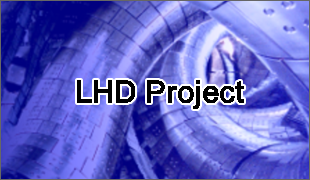
The Large Helical Device (LHD) is the world's largest superconducting plasma confinement device and employs a heliotron magnetic configuration. The objectives are to conduct academic research on the confinement of steady-state/high-temperature plasma from the viewpoint of developing the helical-type fusion reactor.


In the LHD deuterium plasma experiment in 2020, we succeeded in generating a plasma with both electron and ion temperatures reaching 100 million degrees. Until now, plasmas with an ion temperature of 100 million degrees or higher have had a low electron temperature, and with this success, we were able to establish a method to produce plasmas that reach 100 million degrees. With this success, LHD research has entered a new stage. - a spokesperson for NIFS.

 Physics experiments on plasma turbulence and instability have provided important insights for the development of control methods for turbulence and instability in future fusion plasmas. Turbulence and sudden instabilities are considered to be deeply related not only to fusion plasmas but also to various phenomena occurring in space and on the earth. We are planning to promote such interdisciplinary research in the LHD.


California-based TAE Technologies, working with Japan’s National Institute for Fusion Science (NIFS), have completed the first tests of a hydrogen-boron fuel cycle in magnetically-confined plasma, which could generate cleaner, lower-cost energy that is produced by the more common deuterium-tritium (D-T) fusion process.

Fusion reactors are expected to be a promising energy source that does not produce greenhouse gases in a future sustainable society. Their fuels are deuterium and tritium, but in recent years, research toward cleaner fusion reactors has been active, especially among venture capital companies from around the world. Cleaner fusion reactors will use advanced fusion fuels, which are more difficult to fuse than deuterium and tritium ones, but do not produce neutrons. On 1 September 2021, the NIFS signed an agreement with TAE Technologies, one of the oldest fusion start-up companies in the United States of America, to start joint research using advanced fusion fuels, hydrogen, and boron-11. Until now, no proton and boron-11 fusion reactions have been demonstrated in magnetic confinement devices. If such a reaction can be demonstrated in the LHD, this would be a major step forward in research toward the realization of a fusion reactor using advanced fusion fuels.


A research group led by Associate Professor Kunihiro Ogawa and Professor Satoru Ohdachi, in collaboration with TAE Technologies, has demonstrated a fusion reaction between proton and boron-11 in the LHD. A thermal fusion reactor using hydrogen and boron-11 fuel is considered to be difficult to create because an extremely high-temperature plasma is required, compared to deuterium and tritium fuels. However, a hydrogen and boron-11 reactor is possible using energetic hydrogen beams, and the research for this has been led by TAE Technologies. To efficiently cause a fusion reaction, the protons must collide with boron-11 at a speed of more than 15,000,000 km/h. The LHD is equipped with the world's only operational hydrogen beam injectors that can force hydrogen into plasma at speeds exceeding 15,000,000 km/h and a powder dropper that can also inject boron into it. These enable fusion reactions between protons and boron11 in a magnetically confined plasma.

“This experiment offers us a wealth of data to work with and shows that hydrogen boron has a place in utility-scale fusion power. We know we can solve the physics challenge at hand and deliver a transformational new form of carbon-free energy to the world that relies on this non-radioactive, abundant fuel,” said Michl Binderbauer, CEO of TAE Technologies.


A spokesperson for NIFS, which formed its partnership with TAE in 2021, noted: “Hydrogen-boron… enables the concept of cleaner fusion reactors – this achievement is a big first step towards the realization of a fusion reactor using advanced fusion fuel.”


The experiments were carried out in NIFS’ large helical device, known as a stellarator, but TAE is developing a so-called field-reversed configuration reactor that promises “a variety of benefits over stellarator and tokamak reactors, including having a compact footprint and more efficient magnetic confinement that will yield up to 100 times more power output.


Boron was injected into the plasma using a powder dropper, and energetic hydrogen ions were also injected. The proton and boron-11 reaction produced three energetic helium ions, some of which reached the alpha particle detector. The signal was recorded by a high-speed waveform recorder.


“Inventing fusion reactors that produce net energy is one thing, delivering it as a reliable, grid-ready source of electricity is another. By choosing to pursue hydrogen-boron as a fuel cycle, TAE has anticipated the true demands of commercial, daily use of fusion energy.


“Most fusion efforts around the world are focused on combining DT hydrogen isotopes to use as fuel, and the donut-shaped tokamak machines commonly used are limited to DT fuel. Unlike those efforts, [our] design uses an advanced accelerator beam-driven field-reversed configuration that is versatile, and can accommodate all available fusion fuel cycles.”


This fuel-agnostic reactor design, which features a sensor able to detect helium nuclei alpha particles– the only emissions from H2-boron fusion, is expected to make it possible for TAE to license its technology “on the way to its ultimate goal” of connecting the first hydrogen-boron fusion power plant to the grid in the 2030s.


TAE highlighted that it had built five “national laboratory-scale” devices – with which it had generated and confined fusion plasma “more than 140,000 times” – and is currently building two further machines, dubbed Copernicus and Da Vinci, with a view to “demonstrating net energy and deliver power to the grid, respectively”.


US researchers at the US National Ignition Facility in California in December hailed fusion experiments that had achieved “ignition gain or energy gain”, where the energy released was greater than what was pumped in the high-powered lasers used in the fusion process.


LHD
LHD
library

NINS
SOKENDAI
yu-kwai

Thursday, March 9, 2023

Elon Musk Sets Ambitious Goals | Tech News Briefing


Tesla CEO Elon Musk has claimed that it would take an investment of $10 trillion to shift humanity to a sustainable energy economy by 2050.


At the Tesla 'Master Plan' Investor Day event, the company said that such a transition was "entirely feasible."


The company has yet to provide detailed information on its analysis but has promised to share more at some point in the future.


This is Musk's third 'Master Plan.' Previous editions have been overviews of potential Tesla products and features that may or may not come to fruition, but this addresses wider, global, issues.


Master Plan 3 includes adding renewable power to the existing grid, producing more electric vehicles, installing heat pumps in homes and buildings, using high-temperature heat delivery and hydrogen for industrial applications, and building sustainably fueled planes and boats. Musk’s plan is to create “a sustainable energy civilization.”


"There is a clear path to a fully sustainable Earth - with abundance," Musk said. “It doesn’t require destroying natural habitats, it doesn’t require us to be austere and stop using electricity... I'm often shocked by how few people realize this."


Key to the company's thesis is that an electrified ecosystem has significantly less wasted energy, requiring around half as much energy consumption for the same standard of living.


Also central to making a renewable energy transition possible is around 240TWh of battery storage, 30TW of renewable power, and 0.2 percent of the world's land. Musk said that initial calculations put it at $6 trillion, but by making the study "more pessimistic" they came to an overall cost of $10 trillion, spread across the next few decades.


Those costs include mining and refining critical materials, and vehicle recycling plants, as well as the power generation and storage systems themselves.


"If this was spread out over 10 years it would be one percent of the global economy, over 20 years it would be half a percent, so this is not a big number relative to the global economy," Musk continued. Tesla claimed that in the last 20 years, $14 trillion was spent on fossil fuel infrastructure.


In presentation slides, Tesla estimated that renewably powering the existing grid would reduce fossil fuel use by 35 percent, switching to heat pumps and electric vehicles would cut another 22 and 21 percent respectively, while high-temperature heat delivery and hydrogen would save 17 percent. Five more percent would be saved by moving to sustainably fueled planes and boats - for a total of 98 percent saved.


"My personal opinion is that as we improve the energy density of batteries we will see all transportation go fully electric, with the exception of rockets," Musk said.


Pulling this off would require solar and wind deployments to jump three times over 2022 levels, EV production to grow 11 times, and battery production to soar by some 29 times, and maintain that level every year.


Musk pledged to publish "a detailed whitepaper with all of our assumptions and calculations," which will hopefully allow external experts to review the merits of the claims.


Likewise, Musk’s promise that Tesla owners with FSD would be able to earn passive income by sending their vehicles to autonomously pick up passengers as a robotaxi service has failed to materialize. In recent months, Musk has suggested that Tesla would make a standalone robotaxi vehicle, casting doubt on his original proposal that Teslas on the road today could qualify for such a service.

Wednesday, March 1, 2023

Zabilježba na sve nekretnine koje posjeduju primatelji socijalne pomoći.


Zamolio bih svoje prijatelje da pročitaju i da dobro razmisle o ovom. Zakon o socijalnoj skrbi propisuje da država automatski stavlja zabilježbu na sve nekretnine koje posjeduju primatelji socijalne pomoći, kojih ima nešto više od 46.000, kao i onima kojima država plaća smještaj u domu. Vi moji mlađi prijatelji ne dopustite da olako gledate na nešto što vam mama ili tata potpisuje, radije sami pomozite svom roditelju zbog njih samih, ali i zbog vas da jednog dana ne ugledate zabilježbu na nekretinu koju su vam roditelji svojim teškim radom i odricanjem ostavili u nasljeđe.

Socijalna skrb organizirana je djelatnost od javnog interesa čiji je cilj pružanje pomoći socijalno ugroženim osobama, kao i osobama u nepovoljnim osobnim ili obiteljskim okolnostima

Socijalna skrb obuhvaća prevenciju, pomoć i podršku pojedincu, obitelji i skupinama, u svrhu unaprjeđenja kvalitete života, te poticanje promjena i osnaživanje korisnika, radi njihova aktivnog uključivanja u život zajednice.

Korisnici socijalne skrbi su

samac i kućanstvo koji nemaju dovoljno sredstava za podmirenje osnovnih životnih potreba, a nisu ih u mogućnosti ostvariti svojim radom, prihodima, imovinom, od obveznika uzdržavanja ili na drugi način

dijete bez roditelja ili bez odgovarajuće roditeljske skrbi, dijete žrtva obiteljskog, vršnjačkog ili drugog nasilja, dijete žrtva trgovanja ljudima, dijete rane i predškolske dobi s razvojnim odstupanjem ili razvojnim rizikom, dijete s teškoćama u razvoju, dijete s problemima u ponašanju, dijete bez pratnje koje se zatekne izvan mjesta svog prebivališta bez nadzora roditelja ili druge odrasle osobe koja je odgovorna skrbiti se za njega te dijete strani državljanin koje se zatekne na teritoriju Republike Hrvatske bez nadzora roditelja ili druge odrasle osobe koja je odgovorna skrbiti se za njega

mlađa punoljetna osoba i mlađa punoljetna osoba s problemima u ponašanju

osoba koja je bila korisnik prava na uslugu smještaja ili organiziranog stanovanja, a kojoj je potrebno osigurati stanovanje dok za to traje potreba, a najduže do 26. godine života

trudnica ili roditelj s djetetom do godine dana života, iznimno do tri godine života bez obiteljske podrške i odgovarajućih uvjeta za život

obitelj kojoj je zbog narušenih odnosa ili drugih nepovoljnih okolnosti potrebna stručna pomoć ili druga podrška

osoba s invaliditetom koja nije u mogućnosti udovoljiti osnovnim životnim potrebama

odrasla osoba žrtva obiteljskog ili drugog nasilja te žrtva trgovanja ljudima

osoba koja zbog starosti ili bolesti ne može samostalno skrbiti o osnovnim životnim potrebama

osoba ovisna o alkoholu, drogi, kockanju i drugim oblicima ovisnosti

beskućnik ili

druga osoba koja ispunjava uvjete propisane ovim Zakonom.

Naknade u sustavu socijalne skrbi temeljem Zakona o socijalnoj skrbi su

zajamčena minimalna naknada

naknada za troškove stanovanja

naknada za ugroženog kupca energenata

naknada za osobne potrebe

jednokratna naknada

naknada za pogrebne troškove

naknada za redovito studiranje

plaćanje troškova smještaja u učeničkom domu

osobna invalidnina

doplatak za pomoć i njegu

status roditelja njegovatelja ili status njegovatelja

Država je u proteklih godinu dana, prema procjenama, sjela na nekretnine oko 40.000 najsiromašnijih građana, a u najvećem broju slučajeva radi se o jedinoj nekretnini koju ti građani posjeduju i u kojoj žive. Na koliko točno nekretnina je država stavila zabilježbu, u Ministarstvu socijalne politike ne znaju, no čini se da bi Republika Hrvatska u budućnosti mogla postati vlasnicom desetaka tisuća kuća.

Naime, novi Zakon o socijalnoj skrbi koji je stupio na snagu lani u veljači propisuje da će država automatski staviti zabilježbu na sve nekretnine koje posjeduju primatelji socijalne pomoći, kojih ima nešto više od 46.000, kao i oni kojima država plaća smještaj u domu. 

Zakon koji je bio na snazi prije sadašnjega propisivao je da država ima pravo staviti zabilježbu samo na nekretnine u kojima korisnici ne žive - dakle, ne i na jedinu nekretninu koju posjeduju. Do 2011. na snazi je pak bio zakon koji je državi dozvoljavao da se naplati iz nekretnina primatelja samo ako je primatelj oštetio državu, odnosno primao naknade nezakonito. Odredba prema kojoj država smije sjesti na jedinu nekretninu bila je na snazi tek nekoliko dana 2013. nakon čega su odredbu ukinuli.

"Najvažnija je poruka korisnicima da takva zabilježba apsolutno ništa ne znači za njihova života, njima neće biti oduzeta imovina. Ovo je samo garancija državi da će joj se, kada dođe do nasljeđivanja ili prodaje nekretnine, od vrijednosti nekretnine vratiti ono što je dala korisnicima socijalne pomoći", rekao je ministar socijalne skrbi Marin Piletić.

"Mi znamo da smo svi dužni pomagati i uzdržavati naše roditelje, to je zakonska i ustavna kategorija. Ne možete onda očekivati da netko nije za života htio pomoći, a onda će koristiti blagodati toga što je naslijedio nekretninu i brže-bolje je prodati", rekao je ministar.

Zaključno. Znači pomoć vraćaju njihovi nasljednici. Sada je na nevladinom sektoru, građanima Hrvatske da rade na ukazivanju na pogubnost ovakve odredbe i pritisku u zakonskim okvirima da je Vlada RH suspendira.

Tuesday, February 21, 2023

Open-Air Prison Dystopias


To many urbanites, a short commute and having your grocery shop, favorite bar, and library branch all within walking distance are markers of a higher quality of life. But recent attempts to reduce commute times to 15 minutes and make cities more walkable have led to waves of weird conspiracy theories about an encroaching police state that must be stopped at all costs. The “15-minute city,” as this design paradigm has been dubbed, is not a city dweller’s dream in this addled conception, but an open-air surveillance prison nightmare that is being imposed by shadowy forces. 


The ‘15-minute’ city concept – developed primarily to reduce carbon emissions by decreasing the use of cars and motorized commuting time – is a decentralized urban planning model, in which each local neighborhood contains all the basic social functions for living and working. Many people argue that the concept of creating localized neighborhoods in which residents can get everything they require within 15 minutes by walking, cycling, or on public transport will ultimately improve the quality of life. Such spaces entail multi-purpose neighborhoods instead of specific zones for working, living, and entertainment, reducing the need for unnecessary travel, strengthening a sense of community, and improving sustainability and livability. Today most cities have ‘operation-based’ neighborhoods, with separate areas used predominantly for business or entertainment; and fragmented urban planning results in sprawl, with people having to travel long distances across the city to get to their destination. In contrast, compact cities of the future, or ‘hyper localization’, prioritize strategies for urban infrastructure that aim at bringing all the elements for living and working into local communities.


The ’15-minute’ city is an iteration of the idea of ‘neighborhood units’ developed by American planner Clarence Perry during the 1920s. The theory of ‘new urbanism’, an urban planning and design concept promoting walkable cities, subsequently gained popularity in the US in the 1980s. Similar versions of ‘urban cells’ or 30- and 20-minute neighborhoods have also emerged across the globe in the past decade. The re-zoning model will gain further traction in the future, boosted during the COVID-19 pandemic by new ways of working that require less transport. With climate change as a major global concern, C40 in its C40 Mayors’ Agenda for a Green and Just Recovery 1 has recommended this model for cities worldwide, arguing that its pedestrianization approach contributes to a reduction in greenhouse gas emissions and supports environmental sustainability. Most notably, the ‘15-minute city’ was popularised in 2019 by Paris and is a flagship initiative in the current program for the city.


The aim is to make essential amenities, different housing types, and more green spaces available within a 15-minute walking or cycling distance. Some cities like Paris and New York, which are relatively more mature with regard to this concept, have launched participatory budgets to promote local engagement as a part of their city transformation strategy. Cities that focus on new urbanism and flexible concepts, such as Bogota, Seattle, and Milan, are prioritizing investment in walking and cycling infrastructure. While this approach may not be entirely applicable to every city – for example, it is probably more suitable for a big metropolis than for smaller cities – remote working and the digitalization of services have increased the impetus to apply the principle of neighborhood planning regardless of city size.


But conspiracy theorists saw something more sinister in the proposals, even expressing alarm that the 15-minute city concept has been discussed and promoted by the World Economic Forum, which is already at the center of conspiracy theories around its COVID recovery framework, the Great Reset. Sinister intimations were already percolating when they were boosted by Canadian psychologist Jordan Peterson, who retweeted a tweet containing 15-minute city maps and the caption “It’s already happening…” and the hashtags #GreatReset and #JailSchwab, referring to WEF chairman Klaus Schwab. 


“The idea that neighborhoods should be walkable is lovely. The idea that idiot tyrannical bureaucrats can decide by fiat where you're ‘allowed’ to drive is perhaps the worst imaginable perversion of that idea--and, make no mistake, it's part of a well-documented plan,” Peterson wrote. After receiving its own share of misinformation—including from former Independence Party leader Nigel Farage, who called the Canterbury plan a “climate lockdown”—leaders in the Oxfordshire County Council in the U.K. had to put out a statement and video to fact-check claims about the proposal. In the video, Councillor Liz Leffman said they were receiving panicked calls from residents fearing that they would be locked in their own homes. Councilors said the traffic filters would be rolled out in six trial locations in 2024. That video was in turn critiqued on TikTok with sinister music playing in the background.


While the proposals are different in every city, in no place would people be barred from entering a different neighborhood by automobile or any other method. People driving cars on roads that have been closed in the U.K. can get exemptions, but even without an exemption, they can just use another road. Another video suggests that the idea will lead to “invisible barriers” and the government tracking carbon footprints for individuals so that people will not be allowed to eat beef if they drive too far. Needless to say, this is not being planned. License plate readers have their fair share of problems, but Edmonton has not said they will be fining or ticketing people. The overall goal of providing people with local options for buying groceries or taking a walk is a good one; unfortunately, however, car culture is so deeply ingrained that even the suggestion of limiting automobile use results in some dark and imaginative paranoia.


Edmonton, Canada is the latest city getting backlash, including a planned in-person protest that will have a prominent anti-vaccine conspiracist in attendance. “You will spend 90% of your life in this 15-minute area as they are monitoring your ‘carbon footprint,’” the flyer reads. In January, another protest in the U.K. was held to oppose 15-minute city proposals in Oxford, where participants connected the plan to COVID-19 lockdowns and vague notions of government control. The conspiracy theory has been circulating on Twitter, TikTok, and Instagram, stemming from proposals in the U.K. and Canada. Nearly all the videos inject made-up details. One TikTok out of Canada with 670,000 views compared Edmonton’s proposal to the Hunger Games in a video with the song “Folsom Prison Blues” playing in the background. Another video in the U.K. by a Gen Z TikToker compared the proposal to Black Mirror and attributed the idea to Tories. “You’re going to have to apply for a fucking permit to leave your zone,” the TikToker says. For decades, urbanists have pushed back on the car-centric development of cities that proliferated after the Second World War. Highways were erected, buildings went up at great distances from one another, and urban sprawl became the norm. The effects of these decisions are now being felt: Commuting long distances by car increases carbon emissions, leads to congested streets, and, arguably, wastes a lot of time. 


The emphasis on walkability in cities has gained traction in recent years. With an emphasis on the time it takes to commute, the 15-minute city idea suggests cities should be reimagined so that most people can get their needs met in a 15-minute walk or bike ride. The term was coined by Franco-Colombian urbanist Carlos Moreno in 2016. In a 2020 TED video, Moreno said that because of urban sprawl, “our sense of time is warped” as we adjust to the long commutes of car-concentric cities. Moreno was in turn inspired by American urbanist Jane Jacobs, who is the reason many contemporary urbanists in the U.S. praise walkability in urban planning. 


In 2020, Paris adopted the term, prompted in part by the urgency of COVID-19 restrictions. To Paris Mayor Anne Hidalgo, it was a way of branding a set of pedestrian-centered redesigns, including street closures and the expansion of bike lanes, actions that mayors in the U.S. also took during the pandemic.  Such plans tend to be popular over time but can invite blowback in the short term. Until recently, that opposition has come from the expected groups: people who enjoy driving, hate parking spaces being taken away, or fear that denser urban areas will put them in touch with the working class. Conspiracy theorists believe that 15-minute cities will be a pretext for open-air prisons enforced by a police state, where citizens will be prevented from leaving their enclosed zone. To reduce carbon emissions and respond to the greater number of people working from home, Edmonton Mayor Amarjeet Sohi proposed creating “15-minute districts” by, in Sohi’s words, “widening sidewalks or multi-use trails that encourage walking, or sustainable infrastructure in communities where they make sense,” according to Western Standard. The city first proposed the plan in 2021, suggesting that city planners would focus on neighborhood-level planning that intermixes commercial and residential uses, in an effort to reduce commute times and widen the variety of services and amenities available in residents’ immediate areas. 


While residents are right to openly debate the details, the overall strategy seems more realistic than putting the genie of remote work back in the bottle by forcing people to commute to commercial downtowns again, as some cities are trying. In response to Sohi’s plan, conspiracy theorists began circulating a map purportedly of Edmonton, color-coded into separate neighborhoods, with a text box saying that vehicles will not be permitted to drive between zones. Except the map was actually of Canterbury, England, which had rolled out its own 15-minute city proposal. Edmonton has made no proposal to hinder travel between neighborhoods, and its plans are mainly focused on ensuring neighborhoods have a healthy mix of businesses and services available. Canterbury’s plan involves closing off traffic on roads through the city’s center to reduce congestion through the use of license-plate readers that will fine motorists, which it calls “traffic filters.” Taxis, delivery vehicles, bikes, and pedestrians would still be able to use the roads. Drivers can still cross into different neighborhoods, but it would take a little longer, possibly prompting them to walk or bike instead. Of course, many cities have various schemes to limit car use as traffic congestion has increased—Colombia’s famous pico y placa (peak and plate) rules ban cars from driving on certain days of the week based on the digits on their license plates. 


In the end, I have a question, would you rather live in a ‘15-minute’ city or on the Croatian coast in a house like this with this view and the first neighbor who is two or three miles away from you?


Notes:

C40 Knowledge: Cities, Coronavirus (COVID-19) and a Green Recover; The Case for a Green and Just Recovery. (2020)

Financial Times: Welcome to the 15-minute city. (2020)

C40 Knowledge: How to build back better with a 15 min city. (2020)

Ibid.

Edith Hofer, Stefan Netsch, Katharina Gugerell, Walter Musakwa, and Trynos Gumbo: The Inclusive City of Johannesburg and the Challenge of Affordable Housing. (2020)

C40 Knowledge: How to build back better with a 15 min city. (2020)

Bloomberg Businessweek. The 15-Minute City—No Cars Required—Is Urban Planning’s New Utopia. (2020)

Smartcitylab: Governance finance Paris-15-minute-city. (2020)

Bloomberg CityLab: Paris Mayor: It's Time for a '15-Minute City'. (2020)

The Guardian: Paris mayor unveils 15-minute city plan in re-election campaign. (2020)

Financial Times: Welcome to the 15-minute city. (2020)

Bureau of Planning and Sustainability, City of Portland: Status Report: Twenty-minute Neighborhoods. (2009)

Ibid.

City of Portland, Oregon: Apply for a shared-use parking permit (pilot). (2021)

City of Portland, Oregon: Joint Bicycle-Pedestrian Advisory Committee Meeting. (2021)

Portland Business Journal: Portland OKs largest overhaul to zoning code since 1990s. (2020)

Sightline Institute: Portland just passed the best low-density zoning reform in US history. (2020)

Bloomberg CityLab: Make way for the ‘One-Minute City’. (2021)

Environment, Land, Water, and Planning; State Government of Victoria: 20-minute neighbourhoods. (2019)

Environment, Land, Water, and Planning; State Government of Victoria: 20-minute neighbourhoods, Creating a more liveable Melbourne. (2019)

Monday, February 20, 2023

Access to affordable energy


We are currently in the middle of a third energy crisis, as the Ukraine conflict rages on. With the ongoing Russia-Ukraine conflict, climate goals may need to come second to energy supply concerns caused by higher energy prices and clogged supply chains worldwide. Europe has already seen its major gas supplier Russia collapse. However, multi-decade high inflation and soaring interest rates may still considerably worsen the situation. 


Industry players are all too familiar with the energy trilemma – the struggle that companies and policymakers face in ensuring a secure and reliable energy supply, at an affordable cost, with minimal environmental impact. Add increasingly frequent climate-related disasters, and we find ourselves at an energy inflection point as an industry and a society. Businesses and governments must develop new strategies to meet critical energy goals in an ever-more complex environment. 


While global reliance on hydrocarbons will decline, new dependencies on critical minerals and technology will arise. Minerals powering the energy transition – like lithium, copper, cobalt, nickel, and rare earth elements – need additional investment. Their supply sources and demand centers will become new points of vulnerability, as well as economic and geopolitical advantages, shifting the geopolitics of resource policy.


I am not convinced that the current energy crisis will expedite the movement toward energy transitions. The whole debate around energy transitions and climate change ignores the political economy of this highly important policy issue. However, fossil fuel investment is hopefully on the decline, as the UN’s Antonio Guterres urges G20 countries to “dismantle coal infrastructure”, branding further government spending on fossil fuels “delusional. According to Climate Action Tracker (CAT), countries’ net-zero aspirations are still inadequate. Only 6 of the 41 nations covered by the CAT, accounting for 8% of global GHG emissions, have set ‘acceptable’ net zero objectives. Those six countries are Chile, Colombia, Costa Rica, the EU, the UK, and Vietnam. The US is evaluated as ‘average’, while Japan and China rank as ‘poor’.


Developing economies are more impacted by the energy crisis, with less access to resources, weaker economic frameworks, and volatile currencies. Thus, they are slower in phasing out fossil fuels, with insufficient renewables investment, often buying fossil fuels on the black market. According to the latest IEA figures, outlined in the World Energy Investment 2022 report global clean energy investment is picking up and is predicted to surpass $1.4 trillion in 2023, accounting for nearly three-quarters of global energy investment growth. Since 2020, the annual average growth rate in clean energy investment has increased to 12% from just over 2% in the five years following the signing of the Paris Agreement in 2015.


Governments will increasingly look to diversify supply chains and secure critical minerals and energy from domestic or friendly sources. Broader environmental, social, and geopolitical considerations will also impact policy and the success of energy transition projects. Higher costs, including higher interest rates, are forcing governments to trade-off between affordability and decarbonization, often favoring fossil fuels in the immediate term.


Several countries now find it cheaper to replace natural gas with coal. In Europe, where carbon pricing is well established, permit costs have moderated this shift, though Germany will now maintain some coal plants as mitigation against natural gas price spikes.


The situation exacerbates the already patchy implementation of nations’ COP26 carbon reduction commitments, with disparities in energy costs between high- and low-action regions potentially incentivizing offshoring. These realities fundamentally change the game for businesses, policymakers, and developing economies. Companies should prepare for short-term shocks and build operational resilience to avoid major losses while developing robust scenarios to inform new strategic directions.


Another major policy achievement was the US Inflation Reduction Act, which would allow $369 billion in energy and climate change investment, with the goal of reducing US greenhouse gas emissions by 40% below 2005 levels by 2030. However, these efforts may not be quite enough, as the World Energy Outlook 2021, mentions “Today’s pledges cover less than 20% of the gap in emissions reductions that need to be closed by 2030 to keep a 1.5 degrees Celcius path within reach.

Monday, January 30, 2023

Polar Shift / Stopping the Earth


 While I was writing about this, back in 2011. everyone thought I was a conspiracy theorist, now all the world's relevant media are talking about stopping the Earth and moving the magnetic field. You're a little late.

The Earth’s magnetic field guides ships at sea and lost hikers to safety. It’s easy to believe that the familiar compass will always work, however, geologists have shown that the Earth’s magnetic field isn’t constant. Indeed, every few hundred thousand years, the field flips, with magnetic south becoming north, and vice versa.

And, while a flip is probably not imminent, the location of magnetic north changes even on human time scales. In the early 1900s, it was located in northern Canada, however, it has moved out into the Arctic Ocean and is now approaching Siberia.

By understanding more about the inner workings of the Earth, scientists will be able to help humanity prepare for significant changes in the Earth’s magnetic field. If it happened, we’d have to change all instrumentation that relies on compasses to navigate.
We have but one planet and what happens inside of it can affect all of us. It is imperative that we continue to study what’s going on inside.

Today, we can already see the effects of a weakened magnetic field on our satellites in orbit. In the Atlantic Ocean between South America and Africa, there is a vast region of Earth’s magnetic field that is about three times weaker than the field strength at the poles. This is called the South Atlantic Anomaly (SAA), and it’s the focus of the CoreSat project being led by Professor Chris Finlay from the Technical University of Denmark (DTU) near Copenhagen. Using data from multiple satellites, including the European Space Agency’s (ESA) three Swarm satellites launched in 2013, this project is trying to figure out what is causing the SAA.

‘This is a region where we see that satellites consistently (experience) electronic failures,’ said Prof. Finlay. ‘And we don’t understand where this weak field region is coming from, what’s producing it, and how it might change in the future.’ Scientists first noticed the SAA in the 1950s, and since then it has decreased in strength by a further 6%, as well as moving closer to the west. ‘(There) hasn’t really been any convincing explanation of it,’ said Prof. Finlay, adding that scientists haven’t been able to predict how it’s going to alter.

The CoreSat project is hoping to change all that, using the most detailed data available yet to study the properties of the magnetic field here and how it shifts over time. By probing the SAA, the team is hoping to see what’s going on inside Earth’s core that might be causing it.

One possibility is that there could be a vast anticyclone in the southern portion of Earth’s liquid metal outer core, which may be pushing out the magnetic field from the South Atlantic region. Another possibility is that the magnetic field in this region is pointing the wrong way – in effect, there’s a mini-polarity reversal taking place.

The SAA gives us a direct look at how a weakened magnetic field can affect satellites, as numerous spacecraft have reported electronic malfunctions when flying over this region as they are hit by cosmic rays. But it’s unclear at the moment if the SAA has any relation to the Earth’s magnetic field flipping in polarity, which is also something Prof. Finlay and his team will investigate. ‘In some simulations, you see features like the SAA growing during a pole reversal,’ he said. ‘It’s not necessarily the case, but it wouldn’t be a surprise if something like this was involved in a magnetic reversal.’

Nevertheless, the SAA just might give us a glimpse of what is to come in the near future. If trends continue, our planet's magnetic field could reverse again in one or two millennia. Prior to that, the field may continue to weaken, and within a century we could be faced with serious problems. ‘The decrease in the geomagnetic field is much more important and dramatic than the reversal,’ said Dr. Thouveny. ‘It is very important to understand if the present field will decay to zero in the next century because we will have to prepare.’ If you liked this article, please consider sharing it on social media.

Za početak bilo bi dobro pročitati knjigu "Polar Shift" koju su zajednički napisali Clive Cussler i Paul Kemprecos, a objavljena je 2005. U ovoj knjizi zaustavljanje zemlje povezano je s pomakom magnetskih polova, i temeljena je na teorijama Laszla Kovacsa, studenta Nikole Tesle. 

Godine 1966. poznati inženjer Chan Thomas napisao je knjigu "The Adam & Eve Story: The History of Cataclysms" s informacijama koje bi mogle utjecati na svakoga na Zemlji. Ali prije nego što ju je itko uspio pročitati, CIA ju je označila kao povjerljivu. Saznali smo za postojanje te knjige tek prije nekoliko godina zbog zahtjeva javnosti za pristup informacijama. CIA je dopustila samo 57 stranica originalnog rukopisa. I te su stranice, prema riječima same CIA-e, "sanirane". Zašto CIA misli da je ova knjiga toliko opasna da su je morali skrivati od javnosti 60 godina; i nastaviti skrivati većinu toga? Zato što svi znamo da u trenutku zamjene polova dolazi kraj za 90-tak posto živućih stvorenja na površini Majke Zemlje. 

Treća knjiga koju preporučam je knjiga "The Path of the Pole: Cataclysmic Pole Shift Geology" autora Charlesa Hapgooda u kojoj raspravlja o različitim pomacima polova u Zemljinoj povijesti - koji se događaju kada Zemljina kora sklizne u unutarnjoj jezgri - i daje dokaze za svaki od njih. 

Saturday, January 28, 2023

Vision - Meaning and Purpose


From wasted resources to burnout to high turnover, there are a variety of pitfalls vision-deficient leaders can stumble into. Some of that might seem common to a business's life, so is a vision essential? I would argue yes. Of course, there will always be challenges, but the benefits of having a clear, multi-year vision far outweigh those challenges. By casting an inspiring, practical picture of what you want for your organization, you can reap these three defining benefits. Many leaders struggle with getting clarity on their vision. With the chaos and clamor of everyday life and business, the bar is often set at just trying to stay afloat. Casting a vision for what you actually want can seem like a far-off luxury. But it comes at a cost.


A sense of purpose. 

 Too often teams spend an excessive amount of time spinning their wheels and just doing whatever tasks have come up most recently. Having a well-thought-out vision allows your company to zero in on the goals, projects, and tasks that have the highest impact on the metrics you want to prioritize.


A positive risk. 

The inciting risk might not feel like a benefit, but the best future doesn’t actually lie within your comfort zone. Just because an idea makes you uncomfortable doesn’t make it a bad idea. In fact, it might be the exact idea you need.


A clearer future. 

 A vision is not an action plan and you won’t be figuring out the “how”—at least not yet. But it does free you to dream and imagine what could be possible, as well as what the end result will be.


What is Vision?

 According to Merriam-Webster, vision is defined as, “the act of power of imagination.”  When you apply vision to the future, you can create a mental picture that can be used to direct your actions. Vision serves as a guide and can be used to provide a sense of purpose. 


 Why is Vision Important?

 For both people and businesses, having a vision proves to be extremely important. Given the trials and tribulations that may come your way, when you have a clear vision of what you want to happen, you can make better decisions. 


 Here’s a look at a few reasons why having a vision is so vital to success and joy:


Overcome roadblocks and hurdles

 Challenges are inevitable. When you run into a wall or a hurdle, you need to know which way to go. Vision provides you with something to look forward to and always work towards. It provides you with a reason to keep going, even when the times get tough. 


Substantiate your goals

 Having a vision places a purpose upon your goal-setting activities. Without an end goal or destination in mind, you won’t have a clear path. Vision provides this. To achieve your vision or goal, you can start by setting small, attainable goals as stepping stones. Each relatively little bit of success will help to continue propelling you forward on your bigger journey. 


Sets expectations

 Setting goals comes along with defining measurements of success. If you set a goal, how do you know when you’ve reached it if you don’t have a way to define success? An overall life vision helps to set expectations accordingly. 


Adds focus 

 Having a vision ensures that your life or business goals can remain focused. When you are faced with a decision or distraction, you can ask yourself if it will help or hurt you in attaining your vision. This can offer you the means to move forward with intention and alignment.


Delivers meaning and purpose 

 A vision is a way to answer your own “why” of life. It gives you the reason for your actions, choices, hopes, and desires. This fills your daily activities with meaning and purpose. 


What is a Vision Statement?

 Anyone can create their own vision statement. People can develop a personal vision statement, and so can a business. 

When it comes to businesses and entities, it’s common for them to write and share a vision statement. A vision statement is a written expression of the purpose and meaning behind a business that’s intended for stakeholders, including employees and even customers. Strong vision statements are written in the present tense, express an outcome that’s achievable, and evoke emotion. 


Businesses: How to Write a Vision Statement 

 For entrepreneurs and business owners, knowing how to write a vision statement is a valuable skill to hone. Let’s take a look at what components you need to write a strong vision statement. This can be applied to personal vision statements, as well. 


Project into the future 

 While a vision statement should be written in the present tense, it needs to be forward-looking because that’s what vision is. In terms of a business vision statement, it’s recommended to look five or ten years into the future to understand what you hope to achieve by then. You can ask what you think the world will look like and/or the market you’re operating in. 


Determine position

 To know where you want to go, you should first assess where you are and the resources available. This can be done with an OAS statement, which is the company’s objective, advantage, and scope.  


Outline success

 Clearly define what success looks like and how it will be measured for your organization (or for yourself).


Conduct research 

 For a business’ value statement, it’s a good idea to look at your competition or the companies which you hope to emulate. It can provide inspiration or a better understanding of how you can get to where you want to be. 


Create a measurable goal

 Create measurable goals that are in line with your vision and communicate them to internal and external stakeholders.  


Learn More About Business 

 If the idea of vision statements and business goals excites you, then a career in business might be a part of your personal vision! 


The Bottom Line 

 Whether you are running a business or an individual looking to accomplish their personal goals in life, having a vision is important. The approach and answer to the question of, “What is a vision?” could be different from one person to the next. However, it will always entail a look into the future with a mental image of what’s to come. Clearly defining your vision and referring back to it when you make your decisions in life will help you to achieve your goals. A vision can consist of personal goals, physical health, career goals, educational goals, and any other aspects of life. No matter what aspect you choose to focus on, you can define and attain your vision with effort, determination, and focus! A dream is your creative vision for your life in the future. You must break out of your current comfort zone and become comfortable with the unfamiliar and the unknown.

Wednesday, January 25, 2023

SI VIS PACEM, PARA BELLUM *


Rat je organizirani sukob naoružanih ljudi, kao produženje politike država, nacija, klasa sredstvima oružanog nasilja u cilju ostvarivanja određene političke, gospodarske i druge dobiti. Rat je društvena pojava uvjetovana i povezana s pojavom i razvitkom klasnog društva čiji su osnovni zakoni ujedno i opći zakoni razvitka rata. Osnovni sadržaj rata čini oružana borba, ali se rat ne svodi samo na nju, on je širi, složeniji jer uključuje i druge oblike borbe (političke, gospodarske itd.) koje imaju veliko značenje za pripremu i vođenje samog rata.


U svakom ratu dolazi do sukoba interesa političkog, vojnog, koji svoj izvor ima većinom u ekonomiji, distribuciji raznih resursa, industrijskim potencijalima ili samom teritoriju. Naši postupci su produkt naših ideja, naših razmišljanja. Pisao sam na početku ove agresije o vidljivoj promjeni vibracije frekvencije Zemlje. Ipak naše ideje nisu samo naše, one su kombinacija političkog i kulturnog okruženja u kojemu živimo. Težnja za teritorijem je biološka predispozicija svojstvena svim ljudskim bićima koja smatraju da čovjek mora posjedovati ili tražiti bolji teritorij i mjesto za život. Isto tako je poznato da teritorij daje osjećaj identiteta i povezanosti s pripadnicima svoje nacije.


Da li se može napad smatrati činom obrane od agresije? Međunarodni zakon, striktno zabranjuje preventivne napade osim ako nisu autorizirani od UN-vog Vijeća Sigurnosti. Ta pitanju su jako aktualna od veljače 2022. Rusija se vodila onom - napad je najbolja obrana.
Neke pacifističke teorije smatraju da se rat može izbjeći ako se odreknemo privatnog vlasništva, a time bi se, prema njima, gubila i moć kontrole nad nekim teritorijem. To naravno nije dovoljno, jer ne vode se svi ratovi zbog blagostanja i teritorija. Neki se vode zbog moći, slave, pohlepe i časti, za vlastitu slobodu i religiju. U realnosti ratovi se vode zbog svih tih razloga, u manjoj ili većoj mjeri, i kompleksno su isprepleteni. Iz vlastitih iskustava znamo da je rat brutalan, nepravedan i okrutan. Mi ljudi nismo nužno racionalna bića, nego smo zaokupljeni vlastitim kulturološkim kontekstom i nikako ga ne smijemo ignorirati ili staviti na stranu, ocijeniti kao nevažnim, a to je upravo ono što sada fura Rusiju. 


Za zaustavljanje ovog rata nužna je globalna suradnja. Nenasilna obrana nije nikakva obrana protiv okrutnih i nemilosrdnih osvajatelja. Briga za drugoga treba nam biti prioritet, i tu se ne govori samo o onim osnovnim potrebama, smanjivanje gladi, suša i raznih bolest, već se govori o tome da se čovjeku pruža i dostojanstvo koje zaslužuje i koje mu pripada.
Teško se oteti dojmu da i u Hrvatskoj ima ekipe koja je uzbuđena i sramežljivo vesela Ruskom operacijom, čitaj brutalnom agresijom, pokušavajući opravdati namjerne, neselektivne i nerazmjerne napade na civilno stanovništvo i elemente civilne infrastrukture, vjerovatno pod utjecajem možebitnog Stockholmskog sindroma. Postoji ekipa koja je u Hrvatskoj uzbuđena i pri samoj pomisli urušavanja napretka u civilizacijskom razvoju svijeta, možebitno zbog visokih godina provedenih ovdje i sada. Za nas ostale, jasno je da, još od Rimskog carstva, od doba Kineskog zida, zatvaranje u sebe ne pomaže i da nitko ne može opstati sam. Strah od Kineskog svrstavanja na stranu agresivne Rusije neopravdan je samim tim jer je stupanj razvoja kineskog gospodarstva u potpunosti okrenut izlasku kapitala iz Kine jačanjem trenda povećanja kineskih ulaganja po cijelom svijetu. Drugim riječima, Kina ima novac, motiv i želju. 


Nije sve u dosegu i vidljivosti onom tko izabere isključivo Fox news, Sputnik ili RT. Na koncu, sve će biti u redu, neke ekipe će morati suspregnuti svoje osvajačke apetite i vratiti se za pregovaračke stolove. Na globalne procese, tržišne ekonomije pa i na ovu ukrainsku surovu stvarnost gledamo kroz prizmu izreke da jedan ne može pomoći mnoštvu, no mnoštvo može pomoći jednomu.


Si vis pacem, para bellum is a Latin adage translated as, "If you want peace, prepare for war." The adage was adapted from a statement found in Book 3 of Latin author Publius Flavius Vegetius Renatus's tract De Re Militari (4th or 5th century), although the idea it conveys is also present in earlier works, such as Plato's Nomoi (Laws).

Wednesday, January 18, 2023

ENERGY TRANSITION / local and national systems


The energy transition is a continuing process requiring long-term energy strategies and planning, with a country-tailored focus on applying appropriated energy technologies to reach net-zero emissions. We know that a net-zero emissions pathway will be more successful if trade-offs in energy supply and demand are acknowledged and mitigated. This means an integrated, people-centered approach, in which all available energy technologies play an important role in transforming local and national energy systems. 


2022 has been a tumultuous year for the world’s energy systems, with the worst global energy crisis in decades having a ripple effect on people across the world. In November, COP27’s success⁠—in particular the agreement to set up a 'loss and damage fund⁠—was tempered by missed opportunities, such as stronger language on curbing emissions, a push to reduce the use of all fossil fuels or any clear signals for developing countries that adaptation funding will indeed double by 2025.  


As the energy crisis continues, 2023 will be a critical year to accelerate a just energy transition. We outline three trends that we expect will shape this transformation of energy systems in 2023. 


Inflation, the energy crisis, and rising interest rates are pushing over 50 countries to be at risk of bankruptcy unless developed countries offer urgent assistance. Around 75 million people who recently gained access to electricity are likely to lose the ability to pay for it. 100 million people may revert to the use of traditional biomass for cooking. At the current rate of progress, 670 million people will remain without electricity by 2030 - 10 million more than projected last year. Food insecurity is likely to be exacerbated by the energy crisis and additional factors. An estimated 49 million people in 46 countries currently live in near-famine-like conditions, including 750,000 people at immediate risk of starvation, of whom about 75 percent are concentrated in Ethiopia and Yemen.  


The good news: the global energy crisis has triggered unprecedented momentum behind renewables. The International Energy Agency predicts the world is set to add as much renewable power in the next 5 years as it did in the past 20. This means that total capacity growth worldwide of renewable power is set to almost double in the next five years, overtaking coal as the largest source of electricity generation by early 2025 globally. This expected increase is 30% higher than the amount of growth that was forecast just a year ago, highlighting how quickly governments have thrown additional policy weight behind renewables. The Economist finds that overall, renewable energy consumption will increase by about 11%, with Asia leading the way.  


However, this may not be enough to offset the simultaneous fallback on fossil fuels that we are witnessing across the globe. The Economist’s Energy Outlook 2023 outlines three trends that will eventually hinder global energy transition efforts: marginal growth in coal consumption to compensate for gaps in gas supplies; more extreme weather events will force many countries to fall back on fossil fuels; and renewable energy investment will weaken. 


Throughout 2022, there has been a growing recognition of the need for a ‘just transition’ to a low-carbon economy, which culminated at COP27 with several announcements. South Africa signed loan agreements worth EUR 600 million with France and Germany as part of its continued efforts to implement the Just Energy Transition Partnership announced at COP26. The Indonesia Just Energy Transition Partnership launched at the G20 Summit in parallel with COP27 and will mobilize US$20 billion over the next three to five years to accelerate a just transition. Vietnam, India, and Senegal have also expressed interest in entering Just Energy Transition Partnerships. 


The potential is there: the International Institute for Sustainable Development notes that “as they involve a relatively small group of actors, JETPs can potentially make much faster progress on the energy transition than what would be possible in the UN climate talks themselves, where large oil and gas-producing countries could veto the agreement.”


Is it all talk? The outcomes of COP27 show that more – much more – remains to be done to bring governments to take decisive action to reduce emissions at the scale and pace needed to avoid a climate breakdown. It is up to all of us to redouble efforts so that COP28 brings the long-awaited agreement on the need to ‘phase out all fossil fuels’. 


We work with countries to promote energy for development and build the resilient, equitable, sustainable energy systems of tomorrow through just energy transitions. The intensifying climate emergency, ongoing energy crisis, and increasing political uncertainties around the world must be the turning point to accelerate the energy transition.


 The UNDP Sustainable Energy Hub is a network of partners that work alongside countries to build net-zero, people-centered societies driven by a just, sustainable energy transition. To do so, we work with governments and partners to transform energy systems and support the integrated policy, technology, and financial shifts that shape a country’s sustainable economic development. 

Monday, January 2, 2023

Trends in Renewable Energy for 2023


The future of energy is looking greener. Moving into 2023, drivers for renewable growth are some of the strongest the industry has seen, including competitive costs, supportive policies, and burgeoning demand.


By 2024, almost 33 percent of the world’s electricity is forecast to come from renewables, with solar photovoltaic (PV) accounting for nearly 60 percent (or at least 697 gigawatts) of expected growth, according to Renewables 2019, a report from the International Energy Agency published in November 2019. Onshore wind (309 GW), hydropower (121 GW), offshore wind (43 GW), and bioenergy follow (41 GW).


Drastically lower production costs, growing concern around climate change, evolving global energy policies, and increased pressure from investors on companies to adopt environmental social governance (ESG) policies are pushing renewables into the mainstream.


This year alone, more than 12 large U.S. coal companies had filed for bankruptcy as of October 2019, in a signal of the shifting landscape. In Australia, the National Electricity Market showed that on Nov. 6, renewables reached a milestone—powering 50 percent of the country’s main electricity grid. Rooftop solar provided nearly 24 percent, followed by wind (about 16 percent), large-scale solar (about 9 percent), and hydro (about 2 percent). While renewable energy costs may continue to rise temporarily in 2023 due to ongoing supply chain challenges, wind and solar will likely remain the cheapest energy sources in most areas, as fuel costs for a conventional generation have been rising faster than renewable costs.

Federal clean energy policies. Among other supportive provisions, the IRA extends wind and solar tax credits for projects that begin construction before 2025 and technology-neutral credits through at least 2032. Projections suggest the law will spur 525 to 550 GW of new US utility-scale clean power by 2030.

State clean energy policies. Twenty-two states and the District of Columbia are targeting 100% renewable energy or 100% carbon-free electricity, often through clean and renewable energy mandates and incentives, with target dates between 2040 and 2050.

Utility decarbonization. As of October 2022, 43 of the 45 largest US investor-owned utilities have committed to reducing their carbon emissions, and boosting renewables are one of their key strategies for meeting those commitments.

Corporate renewable procurement. With a record 11 GW of US clean energy installations in 2021, the US is set to exceed that in 2022. More than 380 global businesses have committed to 100% clean electricity by joining the RE100 renewable electricity initiative, up from about 200 in 2019.


In Germany, a Norwegian company is running one of Europe’s largest power generation facilities—and doing it virtually, in an innovative example of how the sector could overcome challenges that arise when there's little wind or sun to generate power. The plant, which according to CNN Business could power 5 million homes, uses a cloud-based artificial intelligence program to link more than

1,500 wind, solar, and hydropower plants across the continent with electricity generation and storage facilities like batteries.


Renewables were the more sustainable—if more expensive—option. By 2023, they will actually make good business sense.


In 2023: The Near Future of Renewables, we present our predictions for how the sector will reimagine itself by capitalizing on this scalable green wave.


1. The future of solar is bright - Although slowed slightly by geopolitical tension and trade uncertainty, solar capacity will continue to grow over the next several years—surpassing a terawatt of global solar power generation by 2023. 


2. Storage takes center stage - Storage will take its rightful place as a key grid asset by 2023, helping to increase the reliability and resilience of increasingly decentralized power systems. The adoption of diverse energy storage solutions, including long-duration batteries for utility-scale renewable integration, will grow by at least 30 percent year-over-year leading up to 2023.


3. No headwinds for wind power - Wind power will continue to grow, with increased storage capabilities explicitly developed for on and offshore wind, helping to improve the economics and productivity of such projects. Half of the 2023 global investments in the wind will go towards offshore technology and projects. 


4. The energy convergence continues - Natural resources companies, from mining to oil and gas, will continue to invest in clean or renewable energy technology, including carbon capture, utilization, and sequestration—both to diversify their portfolios and reduce their corporate carbon footprints. By 2023, 20 oil and gas majors will have joined the Oil and Gas Climate Initiative, up from 13.


5. Cleantech investments soar - Following a cycle of disappointing returns, private equity and venture capital will return to the cleantech space in full force. Whether called cleantech or climate tech, the regulatory, economic, and scientific impetus for these technologies will see $600 billion dollars in global private investment by 2023.


Overall, as the industry heads into 2023, increasing demand and enticing, long-term incentives are creating strong stimuli. Of course, the uneven economy right now poses some rough sailing, but the destination is in sight and achievable. Citizens want more solar. Residential solar demand is growing faster than ever, up 35% in H1 2022 year over year, as households react to rising retail electricity prices and weather-driven power outages.

The private sector takes notice. Private investment in renewables hit a record high of $10 billion in the past year. That could continue, as investors are attracted by transparent returns on mature technologies backed by 10-year tax credits with direct payment options.