Sunday, June 26, 2022

Alley cropping in Croatia


Alley cropping in Croatia by Zeljko Serdar

Alley cropping, also sometimes referred to as "intercropping", is the practice of planting rows of trees with a companion crop in between. Frequently this can be used to add another cash crop but it also reduces surface water runoff and erosion, improves soil health and fertility, and reduces wind erosion. Depending on the crops chosen, it can also modify the microclimate for improved crop production or improve wildlife habitat. Multiple crops, when managed appropriately, can keep a farm more productive throughout the year, increasing income and reducing risks associated with monocropping. 


Alley cropping can be viewed as recreating the structure of a savanna in an agroforestry system with multiple canopy layers consisting of a design that contains an overstory of nut trees, a mid-layer of fruiting small trees and shrubs, and a groundcover of annual crops or perennial grass groundcover. In nut-based agroforestry systems, crops grown in the alleys between tree rows provide annual income while the longer-term nut crop matures. Primary agroforestry and alley cropping design criteria include imitation of the structure and function of natural ecosystems with species that generate an economic yield to support the farmer.


Alley cropping in Croatia by Zeljko Serdar


Growers planning to farm between tree rows need to think about the width of their alleyways. Between-row spacing is primarily determined by machinery width, and mature size of nut tree species, with secondary considerations for sunlight requirements of the alley crop. With closer spacing, the intercrop grown in the alley will encounter light competition at an earlier age, requiring a more rapid change to shade-tolerant intercrops. Wider spacing makes intercropping easier but delays the fullest realization of economically viable nut crop yields.


Alley cropping in Croatia by Zeljko Serdar


Recommended principles for designing the cropping system based on this approach include selecting species for complementary functional traits, developing complex trophic levels, and reproducing ecological succession. Trait-based agroecology has emerged as one of the dominant paradigms in terrestrial ecology. Studies that evaluate the complex linkages between functional traits, functional diversity, and ecosystem functioning have recently begun to explore concepts surrounding “multifunctionality,” the idea that multiple ecosystem functions should be considered as a management goal. Multifunctionality has clear implications for trait-based agroecology and for agroforestry, where land managers manipulate on-farm diversity to enhance ecosystem services beyond yield alone.

Friday, June 24, 2022

Drilling & production


While the European Commission has shared three main ways to reduce Russian energy dependency – energy savings, renewables, and diversification – many countries opted for their methods, including the revival of fossil fuel projects. Commission President Ursula von der Leyen recently warned EU member states not to backtrack on their long-term drive to cut fossil fuel use as a handful of nations turned to coal following a decision by Russia to limit their gas supplies.


Besides diversification, saving energy, or pushing for renewables, some countries have opted to expand existing gas drilling sites or exploit unused reserves as the EU prepares to end its dependency on Russian gas. Other countries decided to speed up or expand gas drilling initiatives, and some U-turned on previous decisions against drilling.


One example is the joint Dutch-German North Sea drilling operation. The project has been planned for some time now, but the German state of Lower Saxony government decided against issuing permits. The Dutch Ministry recently announced that Lower Saxony “is now making a different decision because of the war in Ukraine,” and drilling is set to begin in 2024.


The push for the expansion of gas drilling activity is also happening in Italy. The country produces around 3.3 billion cubic meters of gas annually, and the government estimates there are reserves of 70-90 billion cubic meters in Italian subsoil. However, reserves are currently locked by law, and gas cannot be extracted.


In February, in response to the energy crisis and rising energy bills, Italian Prime Minister Mario Draghi’s government started reasoning on the hypothesis of doubling extraction.


The war in Ukraine has accelerated the discussion on the country’s energy strategy to exploit its resources. After Gazprom cut supplies to Italy, Ecological Transition Minister Roberto Cingolani opened up to a review of drilling activity, calling it a “mistake to have gone from 20% domestic gas in 2000 to 3-4% in 2020.”


Romania

 is the biggest oil producer among EU member states and also has proven offshore gas reserves. Until April, these reserves have been locked. The governing coalition, however, agreed to change the offshore law and allowed investors to exploit the reserves.


Norway

 has traditionally been the second most important gas supplier for the EU. After the invasion of Ukraine, Norway vowed to help the EU reduce its dependency on Russian gas. To replace Russian gas, the Norwegian government authorized an increase in production, which was met with strong disapproval from the left-wing opposition, warning of the lock-in of investments in the fossil fuel projects.


Plans for gas drilling projects are popping up not only in big countries with a tradition of drilling but also in smaller ones. Slovakia is one of the most gasified countries in the EU, with 5 billion cubic meters consumed annually. A few years ago, a gas deposit was discovered, which could cover about 10% of domestic consumption, according to estimates.


In the past, drilling has been strongly opposed by environmentalists who argued that the project was harmful and unnecessary. War has changed that, and the project is back on the table. According to investors, drilling could start in two years if everything goes as planned. Government officials have not ruled the project out.


Albania 

currently does not consume, produce, or import any gas. It does, however, hold reserves, and the government is pushing for gasification both in production and energy use with several extraction projects due to start as well as LNG floating terminals off the southern coast.


Despite these initiatives, not all countries chose to exploit their gas reserves. Bulgaria has an estimated 480 billion cubic meters of shale, but current legislation prevents exploitation, and the government has no plans to change the status quo.


France

 has a significant potential for offshore and onshore reserves, but as in Bulgaria or Italy, the law prohibits granting new permits. With the notable exception of MP David Habib, who pleads for the reopening of gas fields in Alsace, there is no push to change the situation.


USA

Global well integrity and production optimization expert Coretrax has completed a world record-breaking project in the Utica Basin, Northeast America, for a major gas operator with its ReLine Expandable Technology.


The company successfully deployed the ReLineMNS system across three wells and expanded a total of more than 27 000 ft of tubular across the campaign. With one of the expandable liners reaching 9000 ft in its expansion, all installations beat the previously held record of 7243 ft by at least 1000 ft. The total setting time from beginning expansion to exiting the top of the liner took only nine hours well over a total of seven days on location. 


Covering the well integrity issue with one full-length liner, the overall setting time was significantly less than that of competing products on the market, setting at approximately 1000 ft per hour.


Coretrax’s technology was deployed into each of the wells with a 4.25 in. outer diameter liner. On the expansion of the liner, the post-expansion of the inner diameter was 4.1 in. with an internal pressure capability of well over 10 000 psi, covering the wellbore issues identified.


Scott Benzie, Chief Technical Officer at Coretrax commented: “Our advanced no shoe expandable technology allows operators to effectively isolate well integrity issues and immediately proceed with their next operations without the requirement to drill out a shoe, enabling our clients to access to huge time and cost savings on their projects.”


“The engineered materials used in the expandable technology ensure reliability is maintained through the operation, resulting in a consistent expansion reflecting our attention to detail.”


“Our highly skilled team members from the operations and applications departments were key to the success of this world record, and delivering our valuable services for each well. This project pays testament to the strong and trusting relationship we have built with our client.”

Tuesday, June 21, 2022

Subvencije za kupnju električnih vozila i hibrida


Ako nekom trebaju poticaji za nova električna vozila sada je pravo vrijeme. 

Kako bi ostvarili pravo na sufinanciranje zainteresirani trebaju odabrati vozilo te kontaktirati neko od prodajnih mjesta koje je evidentirano u bazi Fonda i navedeno uz listu vozila. Redni broj podnošenja prijave dodjeljuje se kronološki, a da je rezervacija uspješna, potvrđuje potvrda koju će prodajno mjesto ispisati i dati kupcu. Na potvrdi će biti i upute za plaćanje obveznog minimalnog predujma koji iznosi sedam posto traženih sredstava Fonda. 


Primjerice plug-in hibride vozila M1 kategorije financiraju se iznosom do 40.000 kuna, a vozila M1 kategorije s električnim pogonom do 70.000 kuna. Lista vozila i 301 prodajno mjesto na kojima ih je moguće kupiti nalaze se na stranici vozimoeko.fzoeu.hr.


Rezervacije poticaja bit će moguće sve dok iznos rezerviranih sredstava u prijavnoj aplikaciji ne dosegne 103,3 milijuna kuna. 

PS. Moja draga je izabrala, i sad se ne miče od njega. Idem po broj.😉

Monday, June 13, 2022

Stages of creativity / Get out of the mud

Get out of the mud / Zeljko Serdar


Današnji zadatak je izaći iz mulja živog blata i proširiti vidike. Vrijeme je da logici dodamo novu kreativnu komponentu kako bi mogli kompleksnije rješavati probleme i stvarati nove, zanimljive ideje koje će napraviti razliku. Graham Wallas i Richard Smith, u svom djelu Art of Thought, objavljenom 1926. godine, predložili su model kreativnih procesa. U Wallasovom modelu, kreativne uvide i prosvijećivanje objašnjeno je kroz proces koji se sastoji od 5 dijelova:


1. Priprema (pripremni rad na problemu koji usmjerava pojedinčev um na problem i istražuje dimenzije problema),

2. Inkubacija (problem je ušao u podsvijest pojedinca i izvana nije vidljiva reakcija),
3. Nagovještaj (kreativna osoba dobije ‘predosjećaj’ kako je rješenje na svom putu),
4. Prosvijećivanje ili uvid (kreativna ideja oslobađa se iz pojedinčeve podsvijesti u njegovu svijest),
5. Potvrda (ideja je svjesno potvrđena, promišljena, a zatim i primjenjena).


In the book The Art of Thought from 1926, Graham Wallas proposed one of the first complete models of the creative process. Wallas described how it consists of the four-stage process of preparation (or saturation), incubation, illumination, and verification (or implementation).


While all creative people apply unique methods and thought processes to their work, there are five stages that most creators subconsciously follow while pursuing their creative endeavors. The five stages of the creative process each flow logically into the next phase of the process. As you embark on your own creative process, unleash your mind and let your ideas grow through the five stages of creativity.


Preparation stage: As you begin the creative journey, the first stage involves prep work and idea generation. This is when you gather materials and conduct research that could spark an interesting idea. Brainstorm and let your mind wander, or write in a journal to foster divergent thinking; this will help you consider all possible approaches to building out your idea. In this first part of the process, your brain is using its memory bank to draw on knowledge and past experiences to generate original ideas.

Incubation stage: When you have finished actively thinking about your idea, the second stage is where you let it go. Part of creative thinking is taking a step away from your idea before you sit down to flesh it out. You might work on another project or take a break from the creative process altogether—regardless, you are not consciously trying to work on your idea. Walking away from your idea might seem counterproductive, but it’s an important stage of the process. During this time, your story or song, or problem is incubating in the back of your mind.

Illumination stage: Sometimes called the insight stage, illumination is when the “aha” moment happens. The light bulb clicks on as spontaneous new connections are formed and all of that material you’ve gathered comes together to present the solution to your problem. In this third stage, the answer to your creative quest strikes you. For example, you overcome writer’s block by figuring out the ending to your story. It can take you by surprise but after the incubation stage, an idea has emerged.

Evaluation stage: During this stage, you consider the validity of your idea and weigh it against alternatives. This is also a time of reflection when you look back at your initial concept or problem to see if your solution aligns with your initial vision. Business professionals might do market research to test the viability of the idea. During this phase, you might go back to the drawing board or you might forge on, confident in what you’ve come up with.

Verification stage: This is the final stage of the creative process. It’s when the hard work happens. Your creative product might be a physical object, an advertising campaign, a song, a novel, an architectural design—any item or object that you set out to create, propelled by that initial idea that popped into your head. Now, you finalize your design, bring your idea to life, and share it with the world.


The right way / Zeljko Serdar


Don't complicate things.


Don't do this to yourself / Zeljko Serdar


Saturday, June 11, 2022

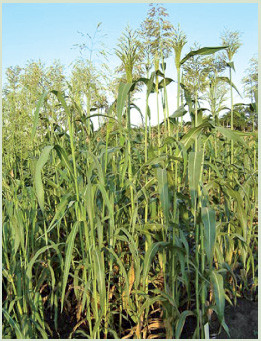
Sudanska trava / Sorghum Sudan / Sorghum sudanense


Sudanska trava je jednogodišnja jara krmna kultura koja spada u obitelj trava Poaceae (rod Sorghum). Biljka je toplog i suhog klimata koja potječe iz Sudana po čemu je i dobila naziv. Stabljika je uspravna i može dostići visinu do 2 metra. Dobro busa iz prizemnog čvora busanja, dok iz pazušca listova prizemnih članaka može formirati sekundarne izboje. Zbog toga se nakon otkosa brzo regenerira i u vegetaciji može dati dva do četiri otkosa. 


Bogata je lišćem na kojem se stvara zaštitni sloj koji sprečava isparavanje vode. Korijenov sustav je žiličast, jako razgranat i dug, zbog čega je biljka otporna na sušu i polijeganje. Važno je spomenuti da sudanska trava ne stvara rizome nego se razmnožava samo sjemenom. Za svoj rast treba visoke temperature, pri nicanju od 8-10 ˚C, a za porast 25 ˚C i više, dok pri temperaturama nižim od 10 ˚C prestaje rasti. Mrazevi je unište i nema mogućnosti prezimljavanja. Osjetljiva je na kisela tla s niskim pH. Otporna je na bolesti i štetnike, pogotovo na žičnjake. Količina glikozida durina, koja može izazvati probavne smetnje kod životinja, smanjena je križanjem pa je u biljci iznad 80 cm gotovo i nema.


sudanska_trava_22_11.jpg
Sudanska trava / Željko Serdar


Sudanska trava daje izrazito visoke prinose zelene mase i visoku energetsku vrijednost suhe tvari. Odlikuje se visokom probavljivošću, a zbog sočnosti ju stoka rado jede. Zbog svoje otpornosti na sušu konkurira ostalim krmnim kulturama čiji se porast smanjuje tokom ljeta.

Sudanska trava se može uzgajati kao glavni, naknadni i postrni usjev. Treba izbjegavati uzgoj u monokulturi, jer zbog visokog prinosa iscrpljuje tlo. Kao predusjev dobre su kupusnjače, leguminoze i žitarice. Osnovna obrada tla ovisi o predkulturi, ali i o načinu uzgaja. Osnovno oranje obavlja se u jesen na dubini od 25-30 cm. Dopunska obrada vrši se pred samu sjetvu, uz pripremu tla do mrvičaste strukture sa tvrđom posteljicom, što se postiže upotrebom sjetvo spremača.

Za postizanje visokih prinosa potrebno je napraviti analizu tla i plan gnojidbe. Prema potrebama biljke ovisno o tlu, treba unijeti mineralna gnojiva u količini od 120-150 kg/ha dušika, 80-100 kg/ha fosfora te 120-160 kg/ha kalija. Potrebno je 1/2 fosfora i kalija dodati prije oranja a ostatak u dopunskoj obradi uz predsjetvenu pripremu s 1/3 dušika. Preostalu količinu dušika rasporedimo za prihranu kada biljka ima 5-6 listova i nakon svakog otkosa. Gnojidba sudanske trave, osim mineralnih gnojiva, može se obaviti i organskim gnojem. U osnovnoj obradi može se zaorati 20-30t/ha zrelog stajskog gnoja, a prihranu izvršiti sa razrijeđenom gnojnicom u omjeru 1:2 ili 1:3. Prva prihrana gnojnicom se obavlja poslije sjetve uz unošenje u tlo, u količini od 15 000-20 000 l/ha. Druga prihrana se može obaviti kada biljka dosegne visinu do pola metra. Od prihrane do ponovne košnje ili napasivanja treba proći barem mjesec dana.

Sudanska trava je osjetljiva na kasne proljetne mrazeve, pa je sjetvu najbolje obaviti u vrijeme nicanja kukuruza, početkom svibnja pa sve do kolovoza kao postrna sjetva, ovisno o predkulturi. Sije se žitnim sijačicama na razmaku od 12 do 25 cm ako je koristimo za košnju ili ispašu, uz upotrebu sjemena od 25-30 kg/ha. Sjetva za silažu obavlja se na razmak od 60-70 cm, zbog korištenja mehanizacije za spremanje silaže, uz upotrebu sjemena od 15 kg/ha. Dubina sjetve ovisi o tipu tla i iznosi od 2- 3 cm uz obavezno valjanje tla. Zaštita od korova uglavnom se obavlja mehanički međurednom obradom zbog slabog početnog porasta. Za sjetvu se mogu koristiti sorte koje se nalaze na EU sortnoj listi.

Košnja sudanske trave može započeti kada biljka dostigne visinu od 60-70 cm pa sve do formiranja metlice. Bitno je da se pokosi na visinu reza od 10-15 cm do faze metličanja, kako bi se regenerirala za drugi otkos. Za rast od nicanja do prvog otkosa biljci je potrebno oko 50 dana, a za svaki naredni otkos oko 40-tak dana. U vegetaciji se može ostvariti od 2-4 otkosa uz prinos od 80-100 t/ha zelene mase ili od 12-18 t/ha sijena. Hranjiva vrijednost zelene mase u suhoj tvari iznosi oko 10-12 % sirovih proteina, 3,6 % sirovih masti, 20-24 % sirovih vlakana i 49 % nedušičnih ekstraktivnih tvari.

Za spremanje sjenaže sudanska trava se kosi kada dostigne visinu 90-100 cm. Pokošena masa treba provenuti na 55-60 % vlage i nakon sječkanja se sprema u bale. Siliranje se vrši u fazi metličanja kada biljka dostigne visinu 120–130 cm uz prinos mase oko 80 t/ha.

Sudanska trava se najčešće koristi za zelenu krmu ili kao sjenaža i silaža za ishranu stoke, ali u posljednje vrijeme sve više i za proizvodnju bioplina i biodizela. Kod uzgoja sudanske trave za proizvodnju bioplina ostvaruju se veći prinosi biomase nego kod uzgoja silažnog kukuruza, a energetski potencijal za proizvodnju je isti. Prinos biomase 1 ha kukuruzne silaže odgovara prinosu biomase sudanske trave sa 0.6 ha površine. 


Sudanska trava / Željko Serdar


Ako se sije kao naknadni usjev nakon skidanja predusjeva izvodi se plitka obrada tla i predsjetvena priprema tla. Sudanska trava ima izrazito velike potrebe za dušikom koji se dodaje u količini od 120-150 kg/ha, fosfora 80-100 kg/ha, a kalija 120-160 kg/ha. Polovicu fosfornih i kalijevih gnojiva treba dodati prije oranja, a drugu polovicu u dopunskoj obradi tla. Do 1/3 dušika treba unijeti sa predsjetvenom obradom tla, a preostale količina 30-40 kg/ha dušika dodaje se u prihrani kada sudanska trava ima 6 do 10 listova te poslije svake košnje treba obaviti prihranu sudanske trave sa 30- 40 kg/ha dušika (100- 150 kg/ha KAN-a). Od prihrane do uporabe (košnje ili napasivanja) treba proći najmanje oko 20 dana. Pri gnojidbi sudanske trave dušikom treba biti oprezan, s obzirom na to da sudanska trava sadrži glukozid durin, a kao međuprodukt njegove razgradnje nastaje HCN (cijanovodik), koji je otrovan za domaće životinje.


Sudanska trava / Željko Serdar


Sudanska se trava ne bi smjela koristiti za ispašu dok biljke ne dostignu visinu od 50 cm, kada je i prinos znatno viši. Sije se od kraja travnja do srpnja kao postrni usjev. Najčešće se uzgaja kao naknadni ili postrni usjev. Za proizvodnju mase za silažu može se uzgajati kao glavni usjev ili kao naknadni usjev poslije iskorištavanja ozimih krmnih usjeva (grašak, grahorice, krmna repica i ogrštica). Često se sije u više rokova sjetve kako bi mogla kontinuirano pristizati za stočnu hranu u krmnom slijedu. Sije se na razmak između redova 15-20 cm za zelenu krmu, sijeno i napasivanje, a za proizvodnju silaže na međuredni razmak od 70 cm, kao kukuruz, zbog korištenja silažnog kombajna. Dubina sjetve sudanske trave je 3-4 cm. Norma sjetve iznosi 25-30 kg/ha. Samo se u postrnoj sjetvi mora upotrijebiti veća količina sjemena 30-40 kg/ ha. Poslije sjetve u postrnom roku tlo bi trebalo obavezno povaljati. Zbog sporog početnog porasta, sudansku travu treba zaštititi od korova herbicidima koji se upotrebljavaju za zaštitu kukuruza (Radazin, Gesaprim i sl.), ali ne onim herbicidima koji suzbijaju divlji sirak u kukuruzu.


Sudanska trava / Željko Serdar


Korištenje sudanske trave

Košnju sudanske trave za zelenu krmu najbolje je obaviti do početka izbijanja cvata metlice, kad se sudanska trava izvrsno regenerira iz čvora busanja i prizemnih izdanaka i daje još jedan otkos zelene mase koja je izvrsne kakvoće. Za silažu se kosi kada su metlice formirane, a zanimljivo je da se i u toj fenofazi još uvijek dobro regenerira. Treba posebno istaknuti da ako se sudanska trava koristi za zelenu stočnu hranu, treba je kositi na visini 10-12 cm iznad površine zbog znatnog broja začetaka sekundarnih izboja u pazušcu listova prizemnih članaka važnih za regeneraciju. Lisna masa je bogata bjelančevinama, a stabljika sadrži puno ugljikohidrata. Kao glavni usjev kod višekratne košnje dostiže prinose više od 100 t/ha.

Thursday, June 9, 2022

European Parliament ban sale of new petrol and diesel cars by 2035


Members of the European Parliament have voted to ban the sale of new petrol and diesel cars by 2035. The move aims to step up the fight against climate change through the faster development of electric vehicles.


The voting was held on an amendment that would have allowed some auto emissions from new vehicles after 2035, which was rejected by Members of Parliament.


The European Union assembly voted in Strasbourg, France to require automakers to cut carbon-dioxide emissions by 100 percent by the middle of the next decade. The mandate would amount to a prohibition on the sale in the 27-nation EU of new cars powered by gasoline or diesel.


Members of the European Parliament still have to negotiate the final law with ministers from the EU’s 27 national governments. Yesterday's vote has however increased the pressure on governments for a clear end to the internal combustion engine in the EU single market of 447 million people.


Negotiations to determine the final shape of the law are set for later this year. If an agreement is reached, it effectively spells the end of the combustion-engine car in Europe, marking a radical overhaul of a form of transport.


EU lawmakers also endorsed a 55 percent reduction in CO2 from automobiles in 2030 compared with 2021.


The move deepens an existing obligation on the car industry to lower CO2 discharges by 37.5 percent on an average by the end of the decade.

Wednesday, June 8, 2022

Trideset srebrnjaka


Trideset srebrnjaka i dvije priče u jednom postu. Tada jedan od Dvanaestorice imenom Juda Iškariotski, ode glavarima svećeničkim te im reče: "Što ćete mi dati, pa da vam ga izdam?" Oni mu polože trideset srebrnika. Otad je tražio prigodu da ga izda. (Matej 26, 14.)

Čitam da proizvodnja prirodnog plina iz nove bušotine Ika B-1R-DIR ide super i da sve funkcionira izvrsno spajanjem na postojeće proizvodne sustave platforme IKA B. Bušotina se nalazi na plinskom polju Ika, koje je dio eksploatacijskog polja Sjeverni Jadran.

Uspješno je spojena na postojeći tvrtkin proizvodni sustav u sjevernom Jadranu, čime je osiguran ulazak novih 150.000 m³ prirodnog plina dnevno u hrvatski plinski sustav. Godišnja proizvodnja nove bušotine bit će gotovo 55 milijuna prostornih metara, što je u ovom trenutku gotovo sedam posto ukupne Inine proizvodnje plina na moru i kopnu.

Nova bušotina rezultat je Ininih aktivnosti koje su počele 2019. u sklopu 'Razradnog programa sjevernog Jadrana'. Njegova je svrha definirati sve potencijalne lokacije za nova bušenja na sjevernom Jadranu, što bi zaustavilo očekivani prirodni pad proizvodnje na sva tri Inina eksploatacijska polja na kojima je operator: Sjeverni Jadran, Marica i Izabela.

Do sada su izrađene tri nove bušotine. Ika B-1R-DIR prva je puštena u proizvodnju, a početkom travnja 2022. puštena je u proizvodnju i druga bušotina, Marica-D-DIR, čija je očekivana dnevna proizvodnja oko 40.000 m³ prirodnog plina. Treća bušotina, Irena-2, podrazumijeva potencijalnu gradnju nove platforme, o čemu će biti odlučeno nakon realizacije cijelog programa u idućim godinama. Super, zar ne?


Proizvodne platforme eksploatacijskog polja Sjeverni Jadran od godine 2015.

PROIZVODNE PLATFORME 

PLINSKO POLJE IVANA

Platforma Ivana A

Platforma Ivana B 

Platforma Ivana C

Platforma Ivana D

Platforma Ivana E 

Platforma Ivana K

PLINSKA POLJA IKA I IDA

Plinsko polje Ika 

 Platforme Ika A, Ika B, Ida A, Ida B, Ida C

Platforma Ika A 

Platforma Ika B

Plinsko polje Ika JZ 

Platforma Ika JZ 

Plinsko polje Ida 

Platforma Ida A 

Platforma Ida B

Platforma Ida C

PLINSKO POLJE ANNAMARIA 

Platforma Annamaria A

PLINSKO POLJE IRINA

Platforma Irina 

PLINSKO POLJE ANA – VESNA

Platforma Vesna

Platforma Ana 

Unutar Eksploatacijskog polja Sjeverni Jadran od 2015. godine nalazi se osam plinskih polja na kojima je raspoređeno 15 proizvodnih i jedna servisna (kompresorska) platforma. Većina platformi, njih devet, je tipa monopod odnosno imaju postolje s jednom nogom. Po tri platforme imaju postolja sa četiri odnosno tri noge. 


Na plinskom polju Ivana postoji pet proizvodnih te jedna kompresorska platforma koja je mostom povezana s centralnom platformom Ivana A plinskog polja Ivana. Prva proizvodna platforma eksploatacijskog polja Sjeverni Jadran puštena u rad 1999. godine je platforma Ivana A. Ukupno je na polju Ivana proizvedeno 8 498 913 771 m3 plina iz 12 bušotina od 9 769 019 990 m3 utvrđenih rezervi plina. 


Na plinskom polju Ika nalaze se dvije proizvodne platforme koje su od 2006. godine proizvele 2 088 127 899 m3 od 4 237 milijuna m3 plina, u početku iz šest, a kasnije pet bušotina. Plinsko polje Ika JZ nalazi se u blizini polja Ika, i sadrži jednu proizvodnu platformu koja je proizvela ukupno 131 525 199 m3 plina od ukupno 2 966 milijuna m3 plina iz pet bušotina. Ika JZ je ujedno i najnovija proizvodna platforma eksploatacijskog polja Sjeverni Jadran, a puštena je u proizvodnju 2014. godine. 


Plinsko polje Ida sadrži tri platforme Ida A, B i C koje su od 2006. godine iz šest bušotina proizvele 1 571 160 910 m3 plina od 4377,013 milijuna m3 utvrđenih rezervi plina. 


Plinsko polje Annamaria zajedničko je s Republikom Italijom, pritom hrvatski dio polja čini 51%, a talijanski 49%. Na hrvatskom dijelu nalazi se platforma Annamaria A, a na talijanskom Annamaria B. Annamaria A je do sada proizvela 2 214 172 586 m3 plina iz šest bušotina od 16 258 milijuna m3 utvrđenih rezervi plina. 


Na plinskim poljima Irina, Ana i Vesna nalazi se po jedna proizvodna platforma. Njih tri zajedno daju ukupnu proizvodnju od 715 651 846 m3 plina. Plinsko polje Ivana je najveće polje s najvećom ukupnom proizvodnjom plina. Plinsko polje Ika zajedno s poljem Ika JZ daje drugu najveću proizvodnju. Skoro isti volumen plina dala je platforma Annamaria A. 


Plinsko polje Ida sa svoje tri platforme nalazi se na četvrtom mjestu ukupne proizvodnje. Od plinskih polja Irina, Ana i Vesna, Ana daje najveću proizvodnju, a Irina najmanju. 

Od 2016. godine raste broj bušotina i na kopnu, što je do sada rezultiralo komercijalnim otkrićem plinskog ležišta pokraj mjesta Severovci s izmjerenom količinom plina od 53 tisuće kubičnih metara na dan.

 INA u rujnu 2022. kreće u novu kampanju bušenja u sjevernom Jadranu, planira se uložiti dvije miliarde kuna u izgradnju novih bušotina i platformi. 

Što se tiče Ivane D, bušotina će biti zacementirana i likvidirana početkom iduće godine, a Institut Ruđer Bošković izradio je studiju kojom se predlaže da se sama platoforma ostavi na dnu kao umjetan greben. 

Prema nezavisnim analizama koje su proveli Bureau Veritas te Fakultet strojarstva i brodogradnje u Zagrebu, zaključak je da je do pada platforme Ivana D, došlo sinergijskim djelovanjem više čimbenika. Sam dizajn je bio adekvata za vrijeme koje je u tom trenutku vladalo na Jadranu, međutim svi smo svjesni tijekom zadnjih 20 godina da je došlo do ekstremnih promjena vremenskih uvjeta. Dodatno, uočene su nekonzistentnosti u materijalu od kojih su platforme izrađene kao i određene pogreške u izvedbi zavara na samim pilonima. Sve to zajedno dovelo je do platforme Ivane D. Korozija i održavanje otklonjeni su kao uzroci pada. Ostale platforme u Jadranu su sigurne zbog znatnih razlika u dizajnu i izvedbi u odnosu na Ivanu D.

INA - Industrija nafte d.d. Zagreb (INA), poznata i pod nazivom INA Matica, dioničko je društvo u potpunom vlasništvu Republike Hrvatske. INA je osnovana 1. siječnja 1964. godine spajanjem Naftaplina (poduzeća za istraživanje i proizvodnju nafte i plina) s rafinerijama u Rijeci i Sisku. Do konca tog desetljeća INA se proširila i na Rafineriju Zagreb, Trgovinu (poduzeće za domaću trgovinu), petrokemijske tvornice OKI i DINU, te tvornicu umjetnih gnojiva u Kutini. INA je 1974. godine pretvorena u tzv. "složenu organizaciju udruženog rada", a taj je potez zahtijevao i osnivanje nekih zasebnih poduzeća. 

U tom je obliku INA ostala do 1990. godine, kad je prema Zakonu (NN 42/90 i njegovoj nadopuni NN 61/91), postala poduzeće u državnom vlasništvu. Godine 1993, INA je postala dioničko druπtvo, u skladu sa zakonskom uredbom objavljenom u Narodnim novinama 60/93. Na dan objave ovih financijskih izvješća Republika Hrvatska 100%-tni je vlasnik dionica INE. Društvo je s Agencijom za osiguranje štednih uloga i sanaciju banaka potpisalo sporazum o financijskom restrukturiranju, koji je stupio na snagu 31. prosinca 1996. godine, kojim je INA prestala biti vlasnikom većine svojih udjela u organskoj i anorganskoj petrokemiji, turizmu i bankarstvu, a Agencija je za za uzvrat preuzela neke njezine dugoročne obveze po kreditima i kamatama. 

Hrvatska Vlada je preuzela 11. ožujka 2002. godine, udjel u ININOM ovisnom društvu Plinacro d.o.o., zajedno s 21,37% udjela u društvu JANAF d.d., koje posjeduje i upravlja jadranskim sustavom naftovoda, u zamjenu za dugoroćni kredit od Londonskog i Pariškog kluba u iznosu od 172 milijuna američkih dolara (1.438 milijuna kuna). 

Hrvatski Sabor donio je Zakon o privatizaciji INA Industrije nafte d.d. 19. oæujka 2002. godine (Narodne Novine 32/02) koji regulira provođenje privatizacije INE d.d. prodajom do najviše 25% plus jedne dionice strateškom partneru, prodajom najmanje 15% dionica u postupku javne ponude, prodajom do najviše 7% sadašnjim i bivšim zaposlenicima društava članica INA Grupe, prijenosom bez naknade 7% dionica hrvatskim braniteljima i članovima njihovih obitelji, a od preostalih 21% izuzet če se potreban broj dionica za naknadu bivšim vlasnicima, a preostale dionice će se prodati ili zamijeniti sukladno odlukama Vlade uz pristanak Sabora. 

Republika Hrvatska će zadržati vlasništvo nad 25% plus jednu dionicu INE, koje će biti privatizirane u skladu s posebnim zakonom nakon što Hrvatska postane član Europske Unije. 

Tijekom 2002. godine, Hrvatska Vlada je raspisala međunarodni natjećaj za prodaju 25% plus jednu dionicu strateškim ulagačima, i primila ponude od zainteresiranih kupaca za kupnju takvog strateškog udjela u INI. 

Dalje znate i sami. U potpuno razumljivoj atmosferi sklonoj propagandnom izvještavanju o krvavoj invaziji na Ukrajinu, u mainstream medijima tako se pretežito ne polemizira o mogućim negativnim učincima sankcija Rusiji, nego je taj prostor rasprave prepušten neovisnim izvorima.  Hrvatske Jude pa ni sama Republika Hrvatska i njeni građani ne trebaju se previše zavaravati o nekim superprofitima zahvaljujući LNG-u i ovim platformama jer ti profiti ne mogu nadomjestiti jeftiniji plin, ali ćemo barem moći računati na nešto sigurniju opskrbu.


...izdao ga je, u Getsemanskom vrtu, gdje je Isus molio s apostolima. Uhvatili su ga, odveli pred Pilata, osudili, okrutno mučili i na koncu razapeli. Shvativši što je napravio, Juda se pokajao i odluči vratiti 30 srebrnjaka visokim svećenicima i starješinama. Ali oni ga odbiju. "Što se to nas tiče? To je tvoja stvar!", rekli su mu. Juda baci srebrnjake, ode i objesi se...


Toliko i hvala. 

Monday, June 6, 2022

Permaculture Management Consultant


Clients need a better understanding of what consulting assignments can accomplish. They need to ask more from such advisers, who in turn must learn to satisfy expanded expectations. This article grows out of current research on effective consulting, including interviews with partners and officers of five well-known firms. It also stems from my experience supervising beginning consultants and from the many conversations and associations I’ve had with consultants and clients in Croatia and abroad. These experiences lead me to propose a means of clarifying the purposes of management consulting. When clarity about purpose exists, both parties are more likely to handle the engagement process satisfactorily.


A Hierarchy of Purposes

Management consulting includes a broad range of activities, and the many firms and their members often define these practices quite differently. One way to categorize the activities is in terms of the professional’s area of expertise (such as competitive analysis, corporate strategy, operations management, or human resources). But in practice, as many differences exist within these categories as between them. Another approach is to view the process as a sequence of phases—entry, contracting, diagnosis, data collection, feedback, implementation, and so on. However, these phases are usually less discrete than most consultants admit. Perhaps a more useful way of analyzing the process is to consider its purposes; clarity about goals certainly influences an engagement’s success. 


Exhibit A hierarchy of consulting purposes

Purposes 1 through 5 are generally considered legitimate functions, though some controversy surrounds purpose 5. Management consultants are less likely to address purposes 6 through 8 explicitly, and their clients are not as likely to request them. But leading firms and their clients are beginning to approach lower-numbered purposes in ways that involve the other goals as well. Goals 6 through 8 are best-considered by-products of earlier purposes, not additional objectives that become relevant only when the other purposes have been achieved. They are essential to effective consulting even if not recognized as explicit goals when the engagement begins.


Moving up the pyramid toward more ambitious purposes requires increasing sophistication and skill in the processes of consulting and in managing the consultant-client relationship. Sometimes a professional tries to shift the purpose of an engagement even though a shift is not called for; the firm may have lost track of the line between what’s best for the client and what’s best for the consultant’s business. But reputable consultants do not usually try to prolong engagements or enlarge their scope. Wherever on the pyramid, the relationship starts, the outsider’s first job is to address the purpose the client requests. As the need arises, both parties may agree to move to other goals.

1. Providing Information

Perhaps the most common reason for seeking assistance is to obtain information. Compiling it may involve attitude surveys, cost studies, feasibility studies, market surveys, or analyses of the competitive structure of an industry or business. The company may want a consultant’s special expertise or the more accurate, up-to-date information the firm can provide. Or the company may be unable to spare the time and resources to develop the data internally.

2. Solving Problems

Managers often give consultants difficult problems to solve. For example, a client might wish to know whether to make or buy a component, acquire or divest a line of business, or change a marketing strategy. Or management may ask how to restructure the organization to be able to adapt more readily to change; which financial policies to adopt; or what the most practical solution is for a problem in compensation, morale, efficiency, internal communication, control, management succession, or whatever.

3. Effective Diagnosis

Much of management consultants’ value lies in their expertise as diagnosticians. Nevertheless, the process by which an accurate diagnosis is formed sometimes strains the consultant-client relationship since managers are often fearful of uncovering difficult situations for which they might be blamed. Competent diagnosis requires more than an examination of the external environment, the technology and economics of the business, and the behavior of nonmanagerial members of the organization. The consultant must also ask why executives made certain choices that now appear to be mistaken or ignored certain factors that now seem important.

4. Recommending Actions

The engagement characteristically concludes with a written report or oral presentation that summarizes what the consultant has learned and that recommends in some detail what the client should do. Firms devote a great deal of effort to designing their reports so that the information and analysis are clearly presented and the recommendations are convincingly related to the diagnosis on which they are based. Many people would probably say that the purpose of the engagement is fulfilled when the professional presents a consistent, logical action plan of steps designed to improve the diagnosed problem. The consultant recommends, and the client decides whether and how to implement it.

5. Implementing Changes

The consultant’s proper role in implementation is a matter of considerable debate in the profession. Some argue that one who helps put recommendations into effect takes on the role of manager and thus exceeds consulting’s legitimate bounds. Others believe that those who regard implementation solely as the client’s responsibility lack a professional attitude since recommendations that are not implemented (or are implemented badly) are a waste of money and time. And just as the client may participate in diagnosis without diminishing the value of the consultant’s role, so there are many ways in which the consultant may assist in implementation without usurping the manager’s job.

6. Building Consensus & Commitment

Any engagement’s usefulness to an organization depends on the degree to which members reach accord on the nature of problems and opportunities and on appropriate corrective actions. Otherwise, the diagnosis won’t be accepted, recommendations won’t be implemented, and valid data may be withheld. To provide sound and convincing recommendations, a consultant must be persuasive and have finely tuned analytic skills. But more important is the ability to design and conduct a process for (1) building an agreement about what steps are necessary and (2) establishing the momentum to see these steps through. An observation by one consultant summarizes this well.

7. Facilitating Client Learning

Management consultants like to leave behind something of lasting value. This means not only enhancing clients’ ability to deal with immediate issues but also helping them learn methods needed to cope with future challenges. This does not imply that effective professionals work themselves out of a job. Satisfied clients will recommend them to others and will invite them back the next time there is a need.

8. Organizational Effectiveness

Sometimes successful implementation requires not only new management concepts and techniques but also different attitudes regarding management functions and prerogatives or even changes in how the basic purpose of the organization is defined and carried out. The term organizational effectiveness is used to imply the ability to adapt future strategy and behavior to environmental change and to optimize the contribution of the organization’s human resources.

If you are interested in hearing more about how we can help you install an agroforestry system, implement a whole-farm water management system, or otherwise find and execute solutions in the areas of agriculture and natural solutions, please contact us at solarserdar@gmail.com.

Wednesday, June 1, 2022

CCRES food self-sufficient community

self-sufficiency by CCRES


Food self-sufficiency gained increased attention in a number of countries in the wake of the 2007–08 international food crisis, as countries sought to buffer themselves from volatility in world food markets. 

As well as bringing devastation to Ukraine, Vladimir Putin’s war risks tipping millions of people around the world into hunger. Russia and Ukraine supply 28% of globally traded wheat, 29% of the barley, 15% of the maize, and 75% of the sunflower oil. Sanctions on Russia, and the blockade of Ukraine’s ports, have stopped much of this from getting out. And farmers elsewhere are struggling to make up the shortfall, in part because profit margins are being squeezed by the surging cost of fertilizer. 


Food self-sufficiency is often presented in policy circles as the direct opposite of international trade in food and is widely critiqued by economists as a misguided approach to food security that places political priorities ahead of economic efficiency. Likewise, some countries may have no problem securing adequate food supplies for their population through reliance on international trade. High-income countries, for example, can easily afford imported food even when food prices on world markets are high and/or volatile. Yet other countries may find it very difficult to secure adequate food imports for their population. Each country faces a unique set of circumstances regarding its ability to command food for its population, depending on its productive capacity, ability to import food, and ability to equitably distribute food domestically.


We at CCRES take a closer look at the concept of food self-sufficiency and makes the case that policy choice on this issue is far from a straightforward binary choice between the extremes of relying solely on homegrown food and a fully open trade policy for foodstuffs. It shows that in practice, food self-sufficiency is defined and measured in a number of different ways, and argues that a broader understanding of the concept opens up space for considering food self-sufficiency policy in relative terms, rather than as an either/or policy choice. Conceptualizing food self-sufficiency along a continuum may help to move the debate in a more productive direction, allowing for greater consideration of instances when the pursuit of policies to increase domestic food production may make sense both politically and economically. 


The debate on urban resilience and metabolism has directed increasing attention to the ecological footprint of food consumption, self-sufficiency as a means of food security, and regionalization of food systems for shortening supply chains. Recently, metropolitan regions have proposed food policies that aim to foster local food systems connected to their cities. Our research thus focused on the relationship between urban food demand and local food land use. 


Results show substantial variations in the spatial extent of foodsheds and self-sufficiency levels between the case study regions Zagreb, Zadar, Osijek, and Split, depending on population density and distribution, geographical factors, and proximity to neighboring urban agglomerations. The application of the model as a food planning tool offers a new perspective on the potential role of metropolitan regions in strengthening urban self-sufficiency. It also enables the *ex-ante assessment of spatial consequences of changes within metropolitan food systems, on both demand and supply sides. In particular, we discuss possible dietary and consumption changes, but also production and supply chain alternatives.


*Ex-ante evaluation is a broad initial assessment aimed at identifying which alternative will yield the greatest benefit from an intended investment. More commonly, considerable resources are used on detailed planning of a single, specific solution, whereas alternatives are not (or are inadequate) assessed early on.


Zeljko Serdar, 

CROATIAN CENTER of RENEWABLE ENERGY SOURCES


Tuesday, May 31, 2022

RePower EU / Pathway for 2030


The European Commission has presented the REPowerEU Plan, its response to the hardships and global energy market disruption caused by Russia's invasion of Ukraine. There is a double urgency to transform Europe's energy system: ending the EU's dependence on Russian fossil fuels, which are used as an economic and political weapon and cost European taxpayers nearly €100 billion per year, and tackling the climate crisis. By acting as a Union, Europe can phase out its dependency on Russian fossil fuels faster. 85% of Europeans believe that the EU should reduce its dependency on Russian gas and oil as soon as possible to support Ukraine. The measures in the REPowerEU Plan can respond to this ambition, through energy savings, diversification of energy supplies, and accelerated roll-out of renewable energy to replace fossil fuels in homes, industry, and power generation.

The green transformation will strengthen economic growth, security, and climate action for Europe and our partners. The Recovery and Resilience Facility (RRF) is at the heart of the REPowerEU Plan, supporting coordinated planning and financing of cross-border and national infrastructure as well as energy projects and reforms. The Commission proposes to make targeted amendments to the RRF Regulation to integrate dedicated REPowerEU chapters in Member States' existing recovery and resilience plans (RRPs), in addition to the large number of relevant reforms and investments which are already in the RRPs. The country-specific recommendations in the 2022 European Semester cycle will feed into this process.

Saving energy

Energy savings are the quickest and cheapest way to address the current energy crisis, and reduce bills. The Commission proposes to enhance long-term energy efficiency measures, including an increase from 9% to 13% of the binding Energy Efficiency Target under the ‘Fit for 55' package of European Green Deal legislation. Saving energy now will help us to prepare for the potential challenges of next winter. Therefore the Commission also published today an ‘EU Save Energy Communication' detailing short-term behavioural changes which could cut gas and oil demand by 5% and encouraging Member States to start specific communication campaigns targeting households and industry. Member States are also encouraged to use fiscal measures to encourage energy savings, such as reduced VAT rates on energy efficient heating systems, building insulation and appliances and products. The Commission also sets out contingency measures in case of severe supply disruption, and will issue guidance on prioritisation criteria for customers and facilitate a coordinated EU demand reduction plan.

Diversifying supplies and supporting our international partners

The EU has been working with international partners to diversify supplies for several months, and has secured record levels of LNG imports and higher pipeline gas deliveries. The newly created EU Energy Platform, supported by regional task forces, will enable voluntary common purchases of gas, LNG and hydrogen by pooling demand, optimising infrastructure use and coordinating outreach to suppliers. As a next step, and replicating the ambition of the common vaccine purchasing programme, the Commission will consider the development of a ‘joint purchasing mechanism' which will negotiate and contract gas purchases on behalf of participating Member States. The Commission will also consider legislative measures to require diversification of gas supply over time by Member States. The Platform will also enable joint purchasing of renewable hydrogen.

The EU External Energy Strategy adopted today will facilitate energy diversification and building long-term partnerships with suppliers, including cooperation on hydrogen or other green technologies. In line with the Global Gateway, the Strategy prioritises the EU's commitment to the global green and just energy transition, increasing energy savings and efficiency to reduce the pressure on prices, boosting the development of renewables and hydrogen, and stepping up energy diplomacy. In the Mediterranean and North Sea, major hydrogen corridors will be developed. In the face of Russia's aggression, the EU will support Ukraine, Moldova, the Western Balkans and Eastern Partnership countries, as well as our most vulnerable partners. With Ukraine we will continue to work together to ensure security of supply and a functioning energy sector, while paving the way for future electricity and renewable hydrogen trade, as well as rebuilding the energy system under the REPowerUkraine initiative.

Accelerating the rollout of renewables

A massive scaling-up and speeding-up of renewable energy in power generation, industry, buildings and transport will accelerate our independence, give a boost to the green transition, and reduce prices over time. The Commission proposes to increase the headline 2030 target for renewables from 40% to 45% under the Fit for 55 package. Setting this overall increased ambition will create the framework for other initiatives, including:

  • A dedicated EU Solar Strategy to double solar photovoltaic capacity by 2025 and install 600GW by 2030.
  • Solar Rooftop Initiative with a phased-in legal obligation to install solar panels on new public and commercial buildings and new residential buildings.
  • Doubling of the rate of deployment of heat pumps, and measures to integrate geothermal and solar thermal energy in modernised district and communal heating systems.
  • A Commission Recommendation to tackle slow and complex permitting for major renewable projects, and a targeted amendment to the Renewable Energy Directive to recognise renewable energy as an overriding public interest. Dedicated ‘go-to' areas for renewables should be put in place by Member States with shortened and simplified permitting processes in areas with lower environmental risks. To help quickly identify such ‘go-to' areas, the Commission is making available datasets on environmentally sensitive areas as part of its digital mapping tool for geographic data related to energy, industry and infrastructure.
  • Setting a target of 10 million tonnes of domestic renewable hydrogen production and 10 million tonnes of imports by 2030, to replace natural gas, coal and oil in hard-to-decarbonise industries and transport sectors. To accelerate the hydrogen market increased sub-targets for specific sectors would need to be agreed by the co-legislators. The Commission is also publishing two Delegated Acts on the definition and production of renewable hydrogen to ensure that production leads to net decarbonisation. To accelerate hydrogen projects, additional funding of €200 million is set aside for research, and the Commission commits to complete the assessment of the first Important Projects of Common European Interest by the summer.
  • Biomethane Action Plan sets out tools including a new biomethane industrial partnership and financial incentives to increase production to 35bcm by 2030, including through the Common Agricultural Policy.

Reducing fossil fuel consumption in industry and transport

Replacing coal, oil and natural gas in industrial processes will reduce greenhouse gas emissions and strengthen security and competitiveness. Energy savings, efficiency, fuel substitution, electrification, and an enhanced uptake of renewable hydrogen, biogas and biomethane by industry could save up to 35 bcm of natural gas by 2030 on top of what is foreseen under the Fit for 55 proposals.

The Commission will roll out carbon contracts for difference to support the uptake of green hydrogen by industry and specific financing for REPowerEU under the Innovation Fund, using emission trading revenues to further support the switch away from Russian fossil fuel dependencies. The Commission is also giving guidance on renewable energy and power purchase agreements and will provide a technical advisory facility with the European Investment Bank. To maintain and regain technological and industrial leadership in areas such as solar and hydrogen, and to support the workforce, the Commission proposes to establish an EU Solar Industry Alliance and a large-scale skills partnership. The Commission will also intensify work on the supply of critical raw materials and prepare a legislative proposal.

To enhance energy savings and efficiencies in the transport sector and accelerate the transition towards zero-emission vehicles, the Commission will present a Greening of Freight Package, aiming to significantly increase energy efficiency in the sector, and consider a legislative initiative to increase the share of zero emission vehicles in public and corporate car fleets above a certain size. The EU Save Energy Communication also includes many recommendations to cities, regions and national authorities that can effectively contribute to the substitution of fossil fuels in the transport sector.

Smart Investment

Delivering the REPowerEU objectives requires an additional investment of €210 billion between now and 2027. This is a down-payment on our independence and security. Cutting Russian fossil fuel imports can also save us almost €100 billion per year. These investments must be met by the private and public sector, and at the national, cross-border and EU level.

To support REPowerEU, €225 billion is already available in loans under the RRF. The Commission adopted legislation and guidance to Member States today on how to modify and complement their RRPs in the context of REPowerEU. In addition, the Commission proposes to increase the RRF financial envelope with €20 billion in grants from the sale of EU Emission Trading System allowances currently held in the Market Stability Reserve, to be auctioned in a way that does not disrupt the market. As such, the ETS not only reduces emissions and the use of fossil fuels, it also raises the necessary funds to achieve energy independence.

Under the current MFF, cohesion policy will already support decarbonisation and green transition projects with up to €100 billion by investing in renewable energy, hydrogen and infrastructure. An additional €26.9 billion from cohesion funds could be made available in voluntary transfers to the RRF. A further €7.5 billion from the Common Agricultural Policy is also made available through voluntary transfers to the RRF. The Commission will double the funding available for the 2022 Large Scale Call of the Innovation Fund this autumn to around €3 billion.

The Trans-European Energy Networks (TEN-E) have helped to create a resilient and interconnected EU gas infrastructure. Limited additional gas infrastructure, estimated at around €10 billion of investment, is needed to complement the existing Projects of Common Interest (PCI) List and fully compensate for the future loss of Russian gas imports. The substitution needs of the coming decade can be met without locking in fossil fuels, creating stranded assets or hampering our climate ambitions. Accelerating electricity PCIs will also be essential to adapt the power grid to our future needs. The Connecting Europe Facility will support this, and the Commission is launching today a new call for proposals with a budget of €800 million, with another one to follow in early 2023.


Background

On 8 March 2022, the Commission proposed the outline of a plan to make Europe independent from Russian fossil fuels well before 2030, in light of Russia's invasion of Ukraine. At the European Council on 24-25 March, EU leaders agreed on this objective and asked the Commission to present the detailed REPowerEU Plan which has been adopted today. The recent gas supply interruptions to Bulgaria and Poland demonstrate the urgency to address the lack of reliability of Russian energy supplies.

The Commission has adopted 5 wide-ranging and unprecedented packages of sanctions in response to Russia's acts of aggression against Ukraine's territorial integrity and mounting atrocities against Ukrainian civilians and cities. Coal imports are already covered by the sanctions regime and the Commission has tabled proposals to phase out oil by the end of the year, which are now being discussed by Member States.

The European Green Deal is the EU's long-term growth plan to make Europe climate neutral by 2050. This target is enshrined in the European Climate Law, as well as the legally binding commitment to reduce net greenhouse gas emissions by at least 55% by 2030, compared to 1990 levels. The Commission presented its ‘Fit for 55' package of legislation in July 2021 to implement these targets; these proposals would already lower our gas consumption by 30% by 2030, with more than a third of such savings coming from meeting the EU energy efficiency target.

On 25 January 2021, the European Council invited the Commission and the High Representative to prepare a new External Energy Strategy. The Strategy interlinks energy security with the global clean energy transition via external energy policy and diplomacy, responding to the energy crisis created by Russia's invasion of Ukraine and the existential threat of climate change. The EU will continue to support the energy security and green transition of Ukraine, Moldova and the partner countries in its immediate neighbourhood. The Strategy acknowledges that Russia's invasion of Ukraine has a global impact on energy markets, affecting in particular developing partner countries. The EU will continue to provide support for a secure, sustainable and affordable energy worldwide.


For More Information

REPowerEU Communication

Annexes to REPowerEU Communication

Staff Working Document: Investment needs, hydrogen accelerator and bio-methane plan

EU Save Energy Communication

EU External Energy Engagement Strategy

EU Solar Strategy

Amendments to Renewable Energy, Energy Performance of Buildings and Energy Efficiency Directives

Recommendation on permitting procedures and Power Purchase Agreements

Guidance on permitting procedures and Power Purchase Agreements  

Regulation establishing the Recovery and Resilience Facility

Proposal for a Regulation on REPowerEU chapters in recovery and resilience plans

Guidance on recovery and resilience plans in the context of REPowerEU

Q&A Memo on REPowerEU

Factsheet on REPowerEU Actions

Factsheet on financing REPowerEU

Factsheet on the EU External Energy Strategy

Factsheet on energy savings

Factsheet on clean energy

Factsheet on clean industry

REPowerEU video