Wednesday, June 26, 2019

Renewable Energy Ukraine


Ukraine is carrying out reforms in an attempt to become more closely aligned with the European Union – but developing the country is almost impossible without sustainable economic growth and investments. Recent and upcoming changes will make Ukraine more attractive for investing.
Aссording to the data provided by the Ukraine's energy regulator, the National Energy and Utilities Regulatory Commission (NEURC), as of January 1, 2018, the cumulative installed capacity of renewables under the FIT (without those plants located in the territory of the Autonomous Republic of Crimea) totaled 1,374.7 MW, of which solar power plants accounted for ca. 55% (741.9 MW), and wind power plants, ca. 33.8% (465.1 MW).
In 2017 alone, 257 MW of the installed capacity of renewables under the FIT were operational, which is more than double the capacity put into operation in 2016 (ca. 127 MW), and eight times the capacity in 2015 (ca. 30 MW). The solar power plants put into operation in 2017 accounted for ca. 82% of the cumulative capacity of renewables under the FIT, while wind power plants accounted for ca. 10.6% of such cumulative capacity.


Year by year, the country is improving its position in the World Banks’ Doing Business ranking. Ukraine’s capital Kiev is on the top ten list of the cost-effective locations published by fDi Intelligence Magazine. So, investing in Ukraine’s economy is becoming increasingly appealing. Energy is among the most attractive options to invest in Ukraine. Until now, the only type of energy that saw foreign investments in Ukraine was renewable energy. Relatively high feed-in tariffs, calculated in euros and correspondingly protected from the risk deflation was the main reason for this. Other types of energy were not interesting for investors because of the absence of a developed energy market and because of strict government control and regulation. For instance, the government and the energy-regulating commission defined gas and electricity prices for final consumers. Obviously, energy prices, together with transparency and the predictability of the energy market’s environment define how profitable energy assets are, which include generating capacities and transmission lines. Correspondingly, all these determine investors’ interest. And these prices were not enough in Ukraine to justify investments towards upgrading the deteriorating energy infrastructure. Since Ukraine became independent, almost no new power plants were constructed, except for renewables. Given the absence of market pricing and the strength of government regulations, there is always a risk that that energy prices for the consumer will decrease to a level that will seriously affect how profitable investments are.
Since energy reforms started in Ukraine, after the 2014 revolution, some populist politicians have called to change electricity and gas pricing approaches in order to reduce prices. Clearly, this has not contributed to investors’ interest  No one wants to invest, knowing that some governmental body may change the pricing method and affect the profitability of investment. Hence, it is not surprising that no foreign investors have attempted to buy energy enterprises over the past few years. However, Ukraine’s energy sector is about to become significantly more attractive. On July 1, a new electricity market model will come in force. Two years ago, the Ukrainian parliament adopted the law that stipulated a new electricity market model similar to the one EU member states employ. It will finally enable integrating the Ukrainian power grid to the ENTSO-E.


There is still a debate if the country made all the necessary preparations to launch this new electricity market. But most experts, market actors and officials agree that it is more than possible to launch the market on time.Electricity market reform will help boost investment in the sector. According to an assessment by the Ukrainian Institute for the Future (UIF), published in a report on the outcomes of the electricity market reform, electricity-generating companies will be able to attract 11,5 times more investment compared to a no-reform scenario. There will be similar effects on electricity-distributing companies. On average, the reform will create demand for $3.66 billion of investments annually in electricity generation and distribution. The reform will give a boost to Ukraine’s economy more generally.


Change of the structure of the total final energy consumption and impact of energy efficiency according to the revolutionary scenario.
The gas market is another good opportunity for investment. According to BP Review, Ukraine holds the second-largest gas reserves in Europe.  And recent legislative changes to the start of the auctioning process for exploration and extraction have liberalised gas production regulation and will make the process more transparent. The gas market law was adopted in 2015. But there is still no fully liberalised gas market in Ukraine because of public service obligations (PSO) to provide affordable energy to households. These PSOs restrict the number of companies involved in selling gas to households. The PSOs will be eliminated after 2020. But that is not a restriction for investing in gas extraction in Ukraine. Importantly, investing in Ukraine’s energy is not only about Ukraine’s internal market, but also about huge opportunities for exports. Being close to the European Union opens opportunities to export energy to EU member states. These are deeply energy-dependent, in need of more energy and a more diverse energy supply. Conducting energy reforms and investments will boost Ukrainian energy exports to the EU. Estimates show the reform will result in boosting electricity exports to 25 billion kWh in 2030, compared to current 5 billion kWh. In the case of natural gas, developing of Ukraine’s gas production and trading may become a part of a geopolitical gamble. Several pieces of US legislation are aimed at protecting Ukrainian energy security. US support in the development of Ukraine’s energy exports will result in deepening interdependency with neighboring states and will contribute to regional stability. Finishing energy reforms with political and economic support from its main allies, primarily the USA, will strengthen Ukraine’s economics and boost energy exports. 
In Ukraine, there are already proposals to consider new approaches to selling electricity produced from RES, such as power sale auctions, which are increasingly coming into focus, or feed-in premiums. It can be foreseen that incentives for power production from RES will become more diversified in Ukraine in the years to come, and will not be solely limited to a FIT.


Expected greenhouse gas emissions in Ukraine under revolutionary scenario

The general consensus is that auctions or other novel structures – notwithstanding their being progressive, and matching objective global trends in the development of the renewable energy industry, or corresponding to technology maturity and cost – should be introduced gradually, so as not to undermine the stability, consistency and continuity of the regulatory framework in the country, and prevent any adverse effects on ongoing projects.


Monday, June 24, 2019

Waves to Water Prize

U.S. Department of Energy (DOE) officially opened the first stage of the Waves to Water Prize, which seeks to accelerate the development of wave energy powered desalination systems and launch novel technologies to address critical water security challenges. The prize is divided into four stages, and the first concept stage is now open for applications through September 11, 2019.  
“The start of the Waves to Water Prize marks an important step toward driving growth and progress in the marine energy sector as well as spurring innovation to develop desalinization technologies that will have a global impact,” said U.S. Under Secretary of Energy Mark W. Menezes. “Supplying potable drinking water is a significant challenge in many parts of the world, and we have the opportunity to use the power of competition to find lasting solutions through the development of these two industries.”
The Waves to Water prize will offer competitors up to $2.5 million in prizes for winners to advance their solutions from concept, to technical design, to the building of a prototype, and culminate in an open water testing competition, where the systems will produce clean water using only waves as power sources. The initial concept stage has $200,000 in prizes, with up to $10,000 in funding for up to 20 winners. DOE is seeking interdisciplinary solutions that are modular and easily transportable, and ultimately can serve the clean water needs of remote communities or aid in disaster relief scenarios. More information on specific guidelines for submissions and rules of the competition can be found here.
The prize is the first to be launched by DOE under the White House-initiated Water Security Grand Challenge – a DOE-led framework to advance transformational technology and innovation to meet the global need for safe, secure, and affordable water.
The Waves to Water Prize is led by the EERE Water Power Technologies Office and administered by the National Renewable Energy Laboratory on the American Made Challenges platform. This prize builds on the success of DOE’s Wave Energy Prize, which catalyzed the development of technologies that doubled the energy captured from ocean waves.
The Water Security Grand Challenge is a White House initiated, U.S. Department of Energy led framework to advance transformational technology and innovation to meet the global need for safe, secure, and affordable water. Using a coordinated suite of prizes, competitions, early-stage research and development, and other programs, the Grand Challenge has set the following goals for the United States to reach by 2030:
Goal 1: Launch desalinaton technologies that deliver cost-competitive clean water
BACKGROUND – Over the next 10 years, 40 states expect water shortages in some areas. Cost-competitive desalination technologies can address water security and alleviate water stress by expanding alternative water resources, such as seawater, estuaries, brackish groundwater, and other sources.
CHALLENGE – Current technologies are energy intensive, with energy costs up to 10 times that of treating freshwater. Environmental issues, such as brine disposal, also pose a challenge.
OBJECTIVE – The Water Security Grand Challenge aims to address these barriers by accelerating research, development and deployment to decrease the cost of processed water, increase water supply resilience, and increase the access to low-cost water.  
Current and Recent Opportunities:
An illustration of a wave of water filling a glass with ocean waves in the background.
US Department of Energy
Goal 2: Transform the energy sector’s produced water from a waste to a resource
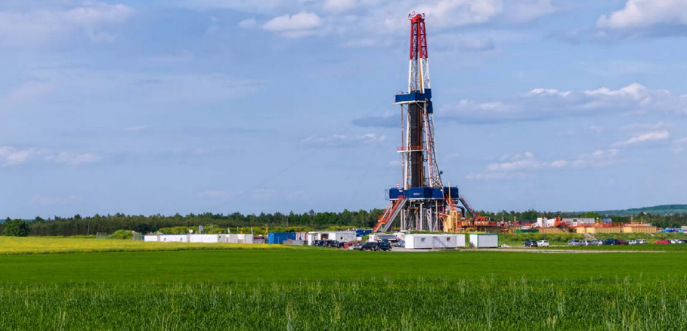
BACKGROUND – Produced water is a byproduct of oil and natural gas extraction, uranium mining, and carbon capture, utilization, and storage. In 2012, an estimated 21.2 billion barrels of produced water from oil and gas were generated in the United States.
CHALLENGE – The high cost of removing constituents specific to produced water can make it cheaper to dispose produced water than treat it. Even so, current disposal practices in oil and gas cost about $40 billion annually.
OBJECTIVE – The Water Security Grand Challenge aims to accelerate research, development and deployment of cost-effective treatment of produced water that can address water scarcity in water-stressed regions by creating alternative water sources for agricultural use, mineral extraction and processing, and other industrial operations, while creating new revenue for the extraction industry through water sales. 
Current and Recent Opportunities:
Fracking equipment in a field at daytime.
Goal 3: Achieve near-zero water impact for new thermoelectric power plants, and significantly lower freshwater use intensity within the existing fleet
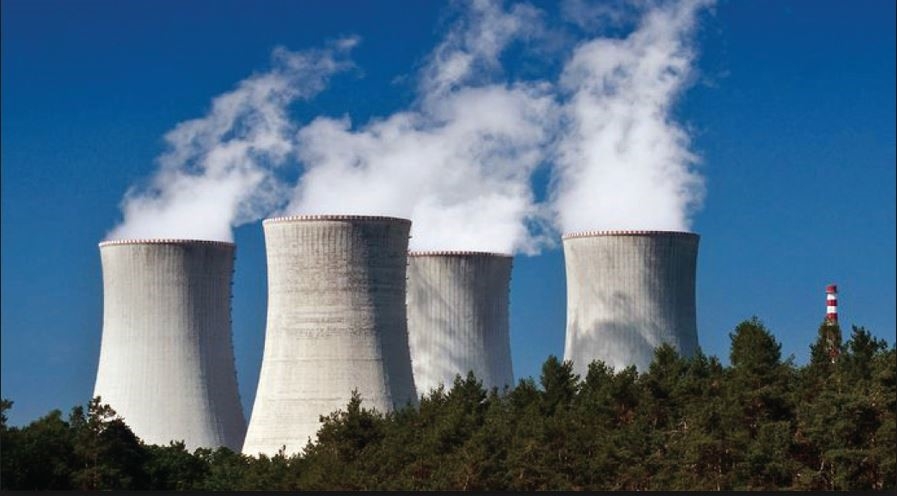
BACKGROUND – Thermoelectric power plants utilize large volumes of freshwater for cooling operations. This water use accounts for about 40% of water withdrawals in the United States. Effluent water from thermoelectric power plants that is returned to its source can affect aquatic ecosystems if altering natural water temperatures and flows. Water that evaporates and is not returned to its source is considered consumed; this accounts for about 3% of U.S. water consumption.
CHALLENGE – The thermoelectric power sector’s reliance on water poses a risk in light of anticipated warming ambient temperatures, increased water stress, and more frequent extreme events like droughts. If improperly managed, the water demand of the thermoelectric power sector may limit water available to other uses, limiting economic growth of surrounding communities.
OBJECTIVE – The Water Security Grand Challenge aims to accelerate research, development and deployment of new technologies that lead to near-zero water impacts for newly built thermoelectric power plants along with significantly lower freshwater use intensity for existing thermoelectric power plants. 
Current and Recent Opportunities:
Steam emerges from three powerplant stacks.
Goal 4: Double resource recovery from municipal wastewater
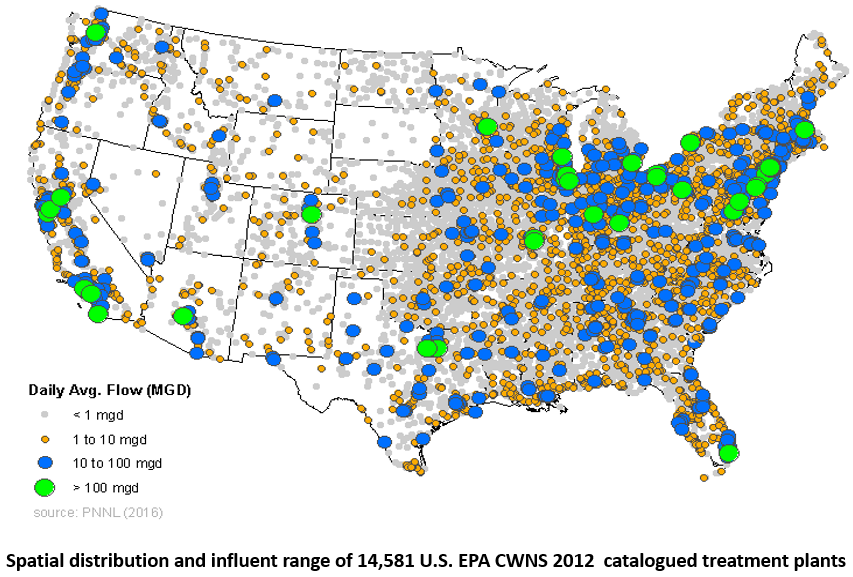
BACKGROUND – Wastewater treatment plants purchase about $2 billion of electricity each year and face more than $200 billion in future capital investment needs to meet water quality objectives. This can constrain municipal budgets. For example, energy consumption at wastewater treatment plants can account for a third or more of municipal energy bills. Wastewater treatment plants can address these challenges by recovering critical resources and turning them into marketable products. This can create new revenue streams for upgrading water treatment infrastructure, particularly in rural communities, prevent nutrient pollution, and provide new sources of alternative water supplies. Recovered resources include energy that can be used on-site or sold, nutrients, such as phosphorous and nitrogen that can be used as fertilizer, and clean water that can be reused for agricultural, industrial, and potable purposes.
CHALLENGE – Energy costs are expected to increase over time and affect affordability of water for businesses and consumers. Disposal of residual biosolids from water treatment is another significant cost for municipalities.
OBJECTIVE – The Water Security Grand Challenge aims to pursue research, development, deployment and other opportunities to increase resource recovery. 
Current and Recent Opportunities:
U.S. map showing dots that indicate spatial and influent ranges of catalogued treatment plants.
Goal 5: Develop small, modular energy-water systems for urban, rural, tribal, national security, and disaster response settings
BACKGROUND – Small, modular energy and water systems have the potential to cost-effectively serve areas where energy and clean water are expensive and challenging to produce. Small, decentralized energy-water systems can also play an important role in serving the more than one billion people worldwide that currently lack access to reliable sources of electricity and water.
CHALLENGE – The ability to cost-effectively produce clean water for urban settings where population growth is occurring but central energy or water systems are nearing maximum capacity; for rural communities, including tribal regions where population levels cannot accommodate the economies of scale needed to make large systems viable; for military sites in remote areas without access to central electricity and water systems; and in areas impacted by disaster when storms and other events have knocked existing energy and water systems offline.
OBJECTIVE – The Water Security Grand Challenge aims to spur innovation needed to improve the cost-effectiveness of small, modular linked energy-water systems and test their performance for a range of applications.
Current and Recent Opportunities:

Sunday, June 9, 2019

CCRES hazelnut trees

Corylus avellana and potatoes from Lika region

Providing shade, which is helpful in cutting cooling costs, increasing property value and, of course, they yielding edible nuts. Many nut trees also continue to bear for decades, so the fruits of your labor can be enjoyed for generations.
However, one of the most common reasons people give for not considering nut trees as part of their edible landscape is time. Many nut trees bear within a few years after planting, but some do take longer.

Zeljko Serdar, CCRES TEAM

Because of their smaller size, Hazelnut trees are ideal nut trees for growers. These trees can be grown naturally as large shrubs with many trunks, or grown as small trees through selective pruning. Leaves of the hazelnut tree are a valued food source for wildlife, including several species of butterfly. Once mature, nuts will drop to the ground for harvest and require a drying period before consuming. Hazelnut kernels are eaten raw, roasted, or ground into paste. Hazelnuts contain significant amounts of protein, B-vitamins, and other minerals.

CCRES Growers of delicious and easy to grow fruiting plants, nuts, tubers, roots, seeds and perennial vegetables. 

An ongoing dialog among growers and the CCRES hazelnut research team has indicated that even as hazelnut trees are increasing in the numbers planted, the number of commercially viable cultivars is too narrow to sustain optimal production.

The hazelnut industry planted trees based on the commercially available cultivars, and the trees have grown well in Lika region. As these trees mature, the failure of some known pollinators has caused the CCRES research team and the industry to look more carefully at having diverse pollinator trees in the orchard from a strictly pragmatic point of view. However, the more important research need is to identify the pollination vector and method of pollination so that a more efficient methodology can be developed.

CCRES hazelnut trees in rows with potatoes

Ongoing research with the hazelnuts peeler has identified many issues with regard to post harvest handling and storage of hazelnuts that were previously unknown in the Croatia. Subsequent work with the microbiologists on the CCRES hazelnut research team have identified an entire area of research that must be undertaken to be able to deliver a safe, and very high quality peeled hazelnut product. The research results must be backed up to both cultivation and post harvest handling and storage. Thanks to previous work in this area, the CCRES team has made significant progress in this area.


Tuesday, May 28, 2019

Clean energy for all

Clean energy for all Europeans package completed: good for consumers, good for growth and jobs, and good for the planet


The Council of ministers of the EU formally adopted four new pieces of EU legislation that redesign the EU electricity market to make it fit for the future. This concludes the remaining elements of the Clean energy for all Europeans package and represents a major step towards completing the Energy Union, delivering on the priorities of the Juncker Commission.
The gradual transition towards clean energy and a carbon-neutral economy is one of the greatest challenges of our time. The EU, in 2016, decided to tackle it by rewriting the EU’s energy policy framework to facilitate this clean and fair energy transition. By providing a modern, stable legal environment and setting a clear and common sense of direction, the EU can stimulate the necessary public and private investment and bring European added value by addressing these challenges together. As a package, the new rules will reinforce consumer rights, putting them at the heart of the energy transition; they will create growth and green jobs in a modern economy leaving no region and no citizen behind. They will enable the EU to show leadership in the fight against climate change following the Paris Agreement.
Commissioner for Climate Action and Energy Miguel Arias Cañete said:

This is the most ambitious set of energy proposals ever presented by the European Commission. It has been adopted in record time with impressive support from the European Parliament and Council. With its completion, we have made the EU's Energy Union - one of the ten political priorities of the Juncker Commission – a reality. I truly believe it will accelerate the clean energy transition and give all Europeans access to secure, competitive and sustainable energy.
The Clean energy for all Europeans package sets the right balance between making decisions at EU, national, and local level. Member States will continue to choose their own energy mix, but must meet new commitments to improve energy efficiency and the take-up of renewables in that mix by 2030. For example, the new rules on the electricity market, which have been adopted today, will make it easier for renewable energy to be integrated into the grid, encourage more inter-connections and cross-border trade, and ensure that the market provides reliable signals for future investment. Today’s rules also require Member State to draft plans to prevent, prepare for and manage possible crisis situations in the supply of electricity in coordination with neighbouring Member States, and to enhance the role of the Agency for the Cooperation of Energy Regulators (ACER).
Background
The EU was an early mover on clean energy: it was the first major power in the world to set, in 2009, ambitious energy and climate targets for 2020 (20% greenhouse gas emission reduction, 20% in renewable energy and 20% energy efficiency). Ten years later, the EU is broadly on track to achieve theses 2020 objectives, proving it is possible to reduce emissions and achieve GDP growth at the same time. In the meantime, renewable energy has become much cheaper. Moreover, with the 2015 Paris Climate Agreement, the EU pledged to move further ahead and achieve greenhouse gas emission reductions of at least 40% by 2030. In order to respond to this challenge and continue to lead the global energy transition, the Commission proposed in 2016 a set of ambitious new rules called the “Clean Energy Package for all Europeans”. With this package the Commission addressed all 5 dimensions of the Energy Union (1) energy security; 2) the internal energy market; 3) energy efficiency; 4) decarbonisation of the economy; and 5) research, innovation and competitiveness.). It is composed primarily of the following elements:
  1. Energy efficiency first: the revamped directive on energy efficiency sets a new, higher target of energy use for 2030 of 32.5%, and the new Energy performance of buildings directive maximizes the energy saving potential of smarter and greener buildings.
  2. More renewables: an ambitious new target of at least 32% in renewable energy by 2030 has been fixed, with specific provisions to foster public and private investment, in order for the EU to maintain its global leadership on renewables.
  3. A better governance of the Energy Union: A new energy rulebook under which each Member State drafts National Energy and Climate Plans (NECPs) for 2021-2030 setting out how to achieve their energy union targets, and in particular the 2030 targets on energy efficiency and renewable energy. These draft NECPs are currently being analysed by the Commission, with country-specific recommendations to be issued before the end of June.
  4. More rights for consumers: the new rules make it easier for individuals to produce, store or sell their own energy, and strengthen consumer rights with more transparency on bills, and greater choice flexibility.
  5. A smarter and more efficient electricity market: the new laws will increase security of supply by helping integrate renewables into the grid and manage risks, and by improving cross-border cooperation.
In addition to the legislative acts of the package, the Commission also proposed a number of non-legislative initiatives, in particular to ensure a fair and just transition where nobody and no region is left behind:
Related links:

Wednesday, May 1, 2019

Renewable energy today


Renewable Energy Now.

Environmental awareness is increasing, and according to a study carried out in late 2018, 73% of the United States thinks climate change is happening, while 62% of the country believes it is human caused. Electricity production across the world is undergoing change, and more investment is being made in innovation, manufacturing, and applications for clean-energy solutions.

According to the U.S. Energy Information Administration, electricity generation in the United States in 2018 was 63.5% from fossil fuels, 19.3% from nuclear energy, and 17.1% from renewable energy sources. Among renewable energy, the main sources were 7% hydropower, 6.6% wind, and 1.6% solar power. Of fossil fuels, natural gas was at a record high of 35%, while coal saw an all-time post-WW2 record low of 27% in 2018.

The United States is currently one of the top three countries in the world in wind turbine production. There were one million solar installations in the United States in 2016, and this is expected to rise to two million in early 2019 and to four million solar installations by 2023. Both technologies are projected to grow and become more prevalent in U.S. electricity generation in the near future. The U.S. Department of Energy foresees a 10% increase in generation by solar power and a 12% increase in generation by wind power in 2019.  


There are three trends likely to impact the growth of renewable energy in the United States in 2019:

Emerging federal, state, and local political support: New local, state, and federal initiatives are receiving more attention and support. For instance, Hawaii and California have set the goal of 100% renewable energy by 2045, while over 200 mayors in the United States have established the objective of 100% renewable by 2035. New policies are expected to trigger further growth in wind and solar power.
Increase in investment: By the end of 2018, 156 global corporations — many based in the United States — have committed themselves to 100% renewable energy. Corporate procurement continues to increase, and asset management companies are collecting renewable energy portfolios. One example is Goldman Sachs, which has acquired 76 solar energy projects found on 143 sites. Investment in renewable energy in the United States exceeded $40 billion in both 2017 and 2018, and total private investment in renewable energy could reach a cumulative $1 trillion between 2018 and 2030.
Investment in technology is also on the rise, with advancements in technology bringing costs down. Research on solar and wind power are areas of interest, with more research via government investment on the horizon. The U.S. Office of Energy Efficiency and Renewable Energy budget was increased by 2% for 2019 to reach $2.38 billion by Congress.

Emerging policies, advancements in technology, increases in investment, and more social awareness will most likely cause an increase in renewable energy growth in 2019 in the United States. The decrease in renewable energy costs, in addition to favorable federal policies, are also likely to stimulate renewable demand.


In G20 countries, energy generation by fossil fuels costs between $0.05 and $0.17 per kilowatt-hour today. Renewable energy is expected to cost $0.03-$0.10 per kilowatt-hour by 2020, while the price of onshore wind power and solar photovoltaic projects could be as low as $0.03 per kilowatt-hour by 2019.

Renewable energy demand will expand opportunities; and although there is some political resistance, the general trend in the United States and worldwide is towards sustainability and renewable energy growth.

The decade-long trend of strong growth in renewable energy capacity continued in 2018 with global additions of 171 gigawatts (GW), according to new data released by the International Renewable Energy Agency (IRENA) today. The annual increase of 7.9 per cent was bolstered by new additions from solar and wind energy, which accounted for 84 per cent of the growth. A third of global power capacity is now based on renewable energy.  

IRENA’s annual Renewable Capacity Statistics 2019, the most comprehensive, up-to-date and accessible figures on renewable energy capacity indicates  growth in all regions of the world, although at varying speeds. While Asia accounted for 61 per cent of total new renewable energy installations and grew installed renewables capacity by 11.4 per cent, growth was fastest in Oceania that witnessed a 17.7 per cent rise in 2018. Africa’s 8.4 per cent growth put it in third place just behind Asia. Nearly two-thirds of all new power generation capacity added in 2018 was from renewables, led by emerging and developing economies.


“Through its compelling business case, renewable energy has established itself as the technology of choice for new power generation capacity,” said IRENA Director-General Adnan Z. Amin. “The strong growth in 2018 continues the remarkable trend of the last five years, which reflects an ongoing shift towards renewable power as the driver of global energy transformation.

“Renewable energy deployment needs to grow even faster, however, to ensure that we can achieve the global climate objectives and Sustainable Development Goals,” continued Mr. Amin. “Countries taking full advantage of their renewables potential will benefit from a host of socioeconomic benefits in addition to decarbonising their economies.”  

IRENA’s analysis also compared the growth in generation capacity of renewables versus non-renewable energy, mainly fossil-fuels and nuclear. While non-renewable generation capacity has decreased in Europe, North America and Oceania by about 85 GW since 2010, it has increased in both Asia and the Middle East over the same period. Since 2000, non-renewable generation capacity has expanded by about 115 GW per year (on average), with no discernible trend upwards or downwards.


Hydropower: Growth in hydro continued to slow in 2018, with only China adding a significant amount of new capacity in 2018 (+8.5 GW).

Wind energy: Global wind energy capacity increased by 49 GW in 2018. China and the USA continued to account for the greatest share of wind energy expansion, with increases of 20 GW and 7 GW respectively. Other countries expanding by more than 1 GW were: Brazil; France; Germany; India; and the UK.

Bioenergy: Three countries accounted for over half of the relatively low level of bioenergy capacity expansion in 2018. China increased capacity by 2 GW and India by 700 MW. Capacity also increased in the UK by 900 MW.

Solar energy: Solar energy capacity increased by 94 GW last year (+ 24 per cent). Asia continued to dominate global growth with a 64 GW increase (about 70% of the global expansion in 2018). Maintaining the trend from last year, China, India, Japan and Republic of Korea accounted for most of this. Other major increases were in the USA (+8.4 GW), Australia (+3.8 GW) and Germany (+3.6 GW). Other countries with significant expansions in 2018 included: Brazil; Egypt; Pakistan; Mexico, Turkey and the Netherlands.

Geothermal energy: Geothermal energy increased by 539 MW in 2018, with most of the expansion taking place in Turkey (+219 MW) and Indonesia (+137 MW), followed by the USA, Mexico and New Zealand.


Globally, total renewable energy generation capacity reached 2,351 GW at the end of last year – around a third of total installed electricity capacity. Hydropower accounts for the largest share with an installed capacity of 1 172 GW – around half of the total. Wind and solar energy account for most of the remainder with capacities of 564 GW and 480 GW respectively. Other renewables included 121 GW of bioenergy, 13 GW of geothermal energy and 500 MW of marine energy (tide, wave and ocean energy).


Croatian Center of Renewable Energy Sources (CCRES)

Monday, March 4, 2019

Agroforestry Practices


At the CCRES Research Facility, we are working with farmers who are converting their working farmland into  agroforestry operations. The CCRES Program addresses the need to better understand and implement  agroforestry practices on a commercial scale. As these operations grow, so too will the need for industrial infrastructure and support.

At our case study, we are collecting crucial data concerning the economic, ecological and social impact of agroforestry in Croatia. Over the coming years, through the collection of real-world data and the establishment of industry relationships, we will be building a strong case in favor of widespread agroforestry.

With the help of these dedicated and pioneering farmers, we will be better positioned to demonstrate the viability of agroforestry as an alternative to current  practices. If you are a farmer, land owner or institution and would like to take part in this important effort, you have come to the right place.

https://youtu.be/Ly4aqtABX2Y

Agroforestry refers to the planting of trees on areas in agricultural use. This form of dual use offers numerous advantages for the environment: Trees absorb carbon from the atmosphere and thus act as CO₂ stores. They offer habitats for animals and thus increase biodiversity, which strengthens the natural resilience of the cultivation area. They also protect fields from ground erosion and reduce discharge of nutrients and pesticides into groundwater and surface water.

Agroforestry was common in Croatia over centuries and characterized the landscape in many places. It serves primarily for fruit production, which is nurtured this way alongside cattle-​rearing, arable farming and vegetable production. Since the 1970s, however, the number of trees in agricultural areas has fallen dramatically. Due to financial strains and cultivation techniques, more and more farms shifted away from agroforestry. Since the 2016, Croatian farmers have been able to be a part of the direct CCRES support scheme for agriculture, but wild fruit and timber varieties in particular, which are more labour-​intensive to cultivate than standard fruit trees, are still planted very rarely.
In order to ensure the longest possible carbon capture and a contribution to biodiversity, the CCRES focus is on the planting of timber and wild fruit trees, which can be planted in combination with standard fruit trees. Even if the trees are felled later on, a lot of carbon remains captured: in the roots and in the timber used for furniture or construction. Felled trees should be replaced so that new trees can capture more carbon.


Zeljko Serdar, CCRES TEAM

Wednesday, February 20, 2019

Stratification and value orientations in our society

  •  
 Jean-Jacques Rousseau, the Swiss philosopher of the 18th century, is the true intellectual founder of socialism and was an inspirational leader of the bloody French Revolution. Rousseau launched the attack against private property, which is at the core of socialist thought. If you take away what a person owns, you control what that person can do.

World of the 21stcentury

People in the United States, EU, Croatia who do not take the threat of socialism seriously, who do not think they have to wake up and fight against it, would do well to contemplate the words of 19th century Scottish philosopher Thomas Carlyle: “There once was a man called Rousseau who wrote a book containing nothing but ideas. The second edition was bound in the skins of those who laughed at the first.”


In the last twenty years the Croatian society went through the dissolution of socialism, war and the transformation into capitalist economy and the system of political democracy. The question is how these dramatic changes from one to other system influenced regulatory mechanisms of social stratification, mobility patterns and value orientations? In surveys conducted in Croatia in eighties the specific pattern of stratification and mobility was established with the important role of the political subsystem in its structuring. The important elements of its structuration are division of labor, education and the position within the political subsystem while the private property playing only marginal role. In the situation of imposed limits on private property, education played the role of the only mobility channel. Following the changes in the society it can be assumed that the role of the political subsystem will decline and the private property expands. To the extent that the state keeps strong regulative role in society, the influence of the political factor can be retained regardless of the pluralist nature of the political system. Does the role of education decline in the society based on knowledge or do we have multiplication of the mobility channels? Do changes in social system create opening or closing of the social structure? In accordance to social and structural changes are also changes in the value orientations of social groups upwardly or downwardly mobile and also homogenization or differentiation of attitudes in time. 


Primjeri iz prošlosti 


Francuski filozof Alain Badiou je skovao pojam antifilozofa kako bi obuhvatio sve pesimistične genije koji su nastojali pokazati da se ne može istodobno biti i u istini i u sreći. Istina i sreća su dva različita svijeta za njih; jedno ne vodi do drugoga, a po nekim antifilozofima jedno direktno isključuje drugo. Kroz povijest europske filozofije su se ocrtali mnogi različiti načini formuliranja antifilozofskog stava; mogli bismo tvrditi da je istina okrutna i da nas može jedino baciti u očaj (Schopenhauer), da je istina posve neosobna i kao takva indiferentna prema ljudskim potrebama i osjećajima (Wittgenstein), ili pak da je sreća vrijednija od istine, pa samim time u konfliktu s njom (Nietzsche).
Među tada kontroverznim enciklopedistima i prosvjetiteljima sedamnaestostoljetne Francuske bio je i Jean Jacques Rousseau. Daleko najfascinantnija činjenica njegovog života i intelektualnog rada je to da je uspio biti provokativan čak i u društvu provokativnih. Jednostavno, Rousseauova veličina je u tome da je čak i zemlji bio pretežak, a to je nešto čime se svaki buntovni pisac može jedino hvaliti.
Rousseau je živio i pisao u vremenima francuskog prosvjetiteljstva, i bio je vjerojatno najveći anti-prosvjetitelj tog vremena. No, to ne znači da je bio tradicionalist ili reakcionar; stvar je samo u tome da prosvjetiteljstvo nije bilo dovoljno radikalno za njega. Previše je vjerovalo u naivni ideal progresa. Naime, Rousseau se po prvi puta proslavio kao pisac 1750. godine, kada je akademija u Dijonu raspisala natječaj za najbolju disertaciju o tome je li progres znanosti i umjetnosti dovodio do moralnog progresa, odnosno jesu li znanosti i umjetnosti činile ljude boljima. Rousseauov odgovor je bio entuzijastično ne.
Upravo je taj rad (Rasprava o znanosti i umjetnosti) profilirao Rousseaua kao anti-prosvjetitelja. Prosvjetiteljstvo je kao svoju temeljnu ideju imalo moralni progres čovječanstva kroz progres njegovog intelekta; a Rousseau je prepoznao intelektualističku samodopadnost takvog mišljenja i imenovao brojne učene civilizacije koje su bile itekakve moralne katastrofe, od pretjerano slavljene stare Grčke do Kine njegovog vremena. I nije stao samo na tome, nego je svakoj intelektualnoj djelatnosti pripisao određenu karakteralnu manu. Prirodne znanosti za njega proizlaze iz taštine i iz želje za kontrolom nad prirodom, umjetnosti proizlaze iz narcisoidne želje da nam se drugi dive, a filozofija sama proizlazi iz ohole želje da svoje misli poistovjetimo sa naravnim zakonima. Rousseau je jednostavno pogodio gospodu  prosvjetitelje tamo gdje ih je najviše boljelo.
To je bio tek početak, i već je bio ispunjen kontroverzama. No, antifilozof nije mario za to da piše knjige koje će biti drage ušima njegovog stoljeća; uvijek je želio da njegov rad nadživi njega samog, i nije se dao smesti. Prosvjetitelji su u ono vrijeme bili disidenti, i Rousseau je imao poziciju disidenta među disidentima. Njegov se rad nastavio, i ubrzo je nakon toga objavio jednu drugu raspravu o podrijetlu nejednakosti među ljudima, i pitanju toga je li ona utemeljena u prirodi. Odgovor je, naravno, još jednom bio veliko i apsolutno ne.
Albert Camus je jednom prilikom buntovnika opisao naprosto kao čovjeka koji govori „ne“, i kao da je mislio upravo na njega. Rousseauova rasprava O podrijetlu i osnovama nejedankosti među ljudima je mnogo opširnije i sistematiziranije djelo od njegove prve rasprave, i tu se počinju nazirati temelji Rousseauove teorije prirodnog stanja koje će kasnije pomnije razraditi u Društvenom ugovoru. Vlasništvo za njega nema nikakve veze sa prirodom; po prirodi čovjek posjeduje jedino samoga sebe, te stoga ogromne materijalne nejednakosti među ljudima mogu biti jedino rezultat političkog aranžmana nekog društva.
Nekih riječi Rousseaua prosjecan čovjek ne zna da li bi se plašio ili pljeskao na njih: Prvi čovjek koji je ogradio komadić zemlje, proglasivši „To je moje“, i koji je pronašao naivne ljude da mu to povjeruju, je stvarni osnivač modernog društva. Koliko bi zločina, ratova i ubojstava, koliko nevolja i strahota uštedio ljudskom rodu onaj koji bi tada, iščupavši oznake i zatrpavši jarak, viknuo svojim bližnjima: Čuvajte se takvih prevaranata; bit ćete izgubljeni ako zaboravite da su plodovi svačiji, i da zemlja nije ničija.”
Ova je zamisao možda najaktualnija u današnje vrijeme; nikada prije nismo nejednakosti među ljudima smatrali prirodnijima nego danas. No, najveću će sistematizaciju te misli pronaći u Društvenom ugovoru, djelu koje je donekle inspiriralo Francusku revoluciju (u onoj mjeri u kojoj knjige to mogu), i koje je ocrtalo Rousseaovu viziju ljudske prirode – možda najpoznatijeg, ali i često krivo shvaćenog, elementa njegove misli.
Prema popularnoj percepciji, teorija društvenog ugovora se rađa pesimističnom vizijom ljudske prirode Thomasa Hobbesa po kojoj su ljudi po prirodi ratoborni divljaci koje samo civilizacija može dovesti u red, a zakončava se Jean Jacquesovim prevratom po kojem su ljudi po prirodi dobri, a civilizacija ih kvari. Nijedan od njih nije rekao ništa takvo, zapravo je Hobbes samo tvrdio da u autoritetu i moći jednog čovjeka nad drugim nema ničeg prirodnog zbog jednostavne činjenice da je svaki čovjek po prirodi dovoljno moćan da ubije svakog drugog (što je istina koju je vrlo lako dokazati), i sam se Rousseau oko toga s njim slagao. A Rousseau, s druge strane, nije smatrao da su ljudi po prirodi inklinirani dobru, nego da su nevini. A nevinost je za njega isto bila vrlina, možda jedina stvarna.
No, pedantnosti oko toga što je tko rekao na stranu – Rousseauov Društveni ugovor je knjiga koja nastoji odgovoriti na samo dva pitanja: na čemu se temelji vlast, i može li se ona ikako opravdati. Tu je iznio nekoliko za ono vrijeme revolucionarnih gledišta; smatrao je da će  sloboda nužno dovesti do vrline, jer će sloboda približiti čovjeka njegovoj nevinoj prirodi. Nadalje, vlast se temelji na dogovoru (ili ugovoru) među ljudima, no Rousseau za razliku od svih prosvjetiteljskih filozofa smatra da ljudi nisu nikad u društveni ugovor stupili kao ravnopravne individue, već da je svaki korpus zakona služio zaštiti nekolicine bogatih i moćnih od većine bijednih i obespravljenih. Tu je misao zapravo izrazio u raspravi o nejednakosti, no bitna je za njegovo razumjevanje društvenog ugovora. Napokon, jedini dobar oblik vlasti – Republika Vrline, u koju su Jakobinci strastveno vjerovali – bi bio utemeljen u općoj volji, koja je uvijek opravdana jer mase žele samo to da ih se ne ugnjetava, i svaka individua ima dužnost da općem interesu da prednost ukoliko njeni partikularni interesi stoje u konfliktu s njim. Rousseaua su zbog koncepta opće volje, što ne čudi, liberalni elitisti svrstali u praoce totalitarizma. Rousseau ostaje bauk prosvjetiteljima čak i s one strane groba!
Od njegovih ostalih djela valja nabrojati Ispovjesti, njegovu najpoznatiju filozofsku autobiografiju (napisao ih je čak nekoliko), Emil ili o odgoju, raspravu o obrazovanju koja (klasično za Rousseaua) tvrdi da se obrazovanje i odgoj ne bi trebali temeljiti na stjecanju znanja nego na uzgoju vrline, te Sanjarije samotnog šetača, djelo zrelog i ozlojeđenog Jean Jacquesa koje valja pogledati da bi se vidjelo što znači biti sam protiv svih, kako je on bio.
Jean-Jacques Rousseau – antifilozof, zbog samo jedne svoje zamisli važan je i danas: “nitko ne bi trebao biti toliko bogat da kupuje druge ljude, niti bi itko trebao biti toliko siromašan da se mora prodavati“.

Što nam je činiti.
U posljednjih dvadeset godina hrvatsko je društvo prošlo kroz raspad socijalizma, rat i transformaciju u kapitalističku ekonomiju i sustav političke demokracije. Pitanje je kako su te dramatične promjene od jednog do drugog sustava utjecale na regulatorne mehanizme društvene stratifikacije, obrasce mobilnosti i vrijednosne orijentacije? U istraživanjima provedenim u Hrvatskoj osamdesetih godina uspostavljen je specifičan uzorak stratifikacije i mobilnosti s važnom ulogom političkog podsustava u njegovom strukturiranju. Važni elementi strukturiranja su podjela rada, obrazovanje i položaj unutar političkog podsustava, dok privatno vlasništvo igra samo marginalnu ulogu. U situaciji nametnutih ograničenja privatnog vlasništva, obrazovanje je imalo ulogu jedina kanala mobilnosti. 

Slijedom promjena u društvu može se pretpostaviti da će se uloga političkog podsustava smanjivati, a privatno vlasništvo širiti. U onoj mjeri u kojoj država zadržava snažnu regulativnu ulogu u društvu, utjecaj političkog faktora može se zadržati bez obzira na pluralističku prirodu političkog sustava. Opada li uloga obrazovanja u društvu temeljenom na znanju? Da li promjene u društvenom sustavu stvaraju otvorenije ili zatvorenije društvene strukture? U skladu s društvenim i strukturnim promjenama, promjene su također u vrijednosnim orijentacijama društvenih skupina prema gore ili dolje, te u homogenizaciji ili diferencijaciji stavova u vremenu. Budite čovjek koji kaže - DA.

Opća deklaracija o pravima čovjeka


Budući da je priznanje urođenog dostojanstva te jednakih i neotuđivih prava svih članova ljudske obitelji temelj slobode, pravde i mira u svijetu,
Budući da je nepoštivanje i zanemarivanje ljudskih prava rezultiralo barbarskim postupcima koji vrijeđaju savjest čovječanstva i da je izgradnja svijeta u kojemu će ljudska bića uživati slobodu govora i uvjerenja te biti pošteđena straha i neimaštine, proglašena najvećom težnjom svih ljudi,
Budući da je ljudska prava prijeko potrebno zaštititi vladavinom prava, kako čovjek ne bi morao pribjeći, kao krajnjem sredstvu, pobuni protiv tiranije i ugnjetavanja,
Budući da je bitno promicati razvoj prijateljskih odnosa među narodima,
Budući da su narodi u Povelji Ujedinjenih naroda ponovno potvrdili svoju vjeru u temeljna ljudska prava, u dostojanstvo i vrijednost ljudske osobe i ravnopravnost muškaraca i žena te odlučili promicati društveni napredak i poboljšati uvjete života u većoj slobodi,
Budući da su se države članice obvezale da će u suradnji s Ujedinjenim narodima osigurati opće poštivanje i primjenu ljudskih prava i temeljnih sloboda,
Budući da je opće razumijevanje tih prava i sloboda ključno za puno ostvarenje te obveze, u ovom času, stoga, 
Opća skupština proglašava
Opću deklaraciju o ljudskim pravima kao zajedničku tekovinu svih naroda i država, kako bi svaki pojedinac i svaki dio društva, imajući ovu Deklaraciju stalno na umu, poučavanjem i učenjem težili promicanju ljudskih prava i sloboda te progresivnim domaćim i međunarodnim mjerama osigurali njihovo opće i djelotvorno priznanje i poštivanje, kako među narodima država članica, tako i među narodima na područjima koja se nalaze pod njihovom jurisdikcijom. 


Članak 1.
Sva ljudska bića rađaju se slobodna i jednaka u dostojanstvu i pravima. Ona su obdarena razumom i sviješću pa jedna prema drugima trebaju postupati u duhu bratstva.


Članak 2.
Svakome pripadaju sva prava i slobode utvrđene u ovoj Deklaraciji bez ikakve razlike glede rase, boje kože, spola, jezika, vjere, političkog ili drugog uvjerenja, nacionalnog ili socijalnog podrijetla, imovine, rođenja ili neke druge okolnosti. 
Nadalje, ne smije se praviti nikakva razlika zbog političkog, pravnog ili međunarodnog statusa zemlje ili područja kojemu neka osoba pripada, bilo da je to područje neovisno, pod starateljstvom, nesamoupravno, ili mu je na neki drugi način ograničen suverenitet. 


Članak 3.
Svatko ima pravo na život, slobodu i osobnu sigurnost. 


Članak 4.
Nitko se ne smije držati u ropstvu ili odnosu sličnom ropstvu; ropstvo i trgovina robljem zabranjuju se u svim njihovim oblicima. 


Članak 5.
Nitko ne smije biti podvrgnut mučenju ili okrutnom, nečovječnom ili ponižavajućem postupku ili kazni. 


Članak 6.
Svatko ima pravo da ga se svugdje pred zakonom priznaje kao osobu. 


Članak 7.
Svi su pred zakonom jednaki i svi imaju pravo na jednaku pravnu zaštitu, bez ikakve diskriminacije. Svi imaju pravo na jednaku zaštitu od bilo kojeg oblika diskriminacije kojim se krši ova Deklaracija, kao i od svakog poticanja na takvu diskriminaciju. 


Čanak 8.
Svatko ima pravo na djelotvornu odštetu putem nadležnih domaćih sudova zbog djela kojima su povrijeđena njegova temeljna prava zajamčena ustavom ili zakonom.


Članak 9.
Nitko ne smije biti podvrgnut samovoljnom uhićenju, zatvoru ili izgonu. 


Članak 10.
Svatko ima potpuno isto pravo na pravično i javno saslušanje od strane neovisnog i nepristranog suda radi utvrđivanja njegovih prava i obveza, i bilo koje kaznene optužbe protiv njega. 


Članak 11.
1. Svatko optužen za kazneno djelo ima pravo da ga se smatra nevinim dok se njegova krivnja zakonski ne utvrdi u javnom postupku u kojemu su mu pružena sva jamstva za obranu. 
2. Nitko ne smije biti proglašen krivim za kazneno djelo počinjeno činom ili propustom koji, po domaćem ili međunarodnom pravu u času počinjenja nije bio predviđen kao kazneno djelo.
Ne smije se odrediti ni teža kazna od one koja je bila primjenjiva u času kad je kazneno djelo počinjeno. 


Članak 12.
Nitko ne smije biti podvrgnut samovoljnom miješanju u njegov privatni život, obitelj, dom ili dopisivanje, niti napadima na njegovu čast i ugled. Svatko ima pravo na pravnu zaštitu protiv takvog miješanja ili napada. 


Članak 13.
1. Svatko ima pravo na slobodu kretanja i boravka u granicama bilo koje države.
2. Svatko ima pravo napustiti svoju i bilo koju drugu zemlju i vratiti se u svoju zemlju. 


Članak 14.
1. Svatko pred progonom ima pravo tražiti i dobiti utočište u drugim zemljama.
2. Na to se pravo ne može pozivati u slučaju progona koji su izravna posljedica nepolitičkih zločina ili djela protivnih ciljevima i načelima Ujedinjenih naroda. 


Članak 15.
1. Svatko ima pravo na državljanstvo. 
2. Nitko ne smije biti samovoljno lišen svoga državljanstva niti mu se smije odreći pravo na promjenu državljanstva. 


Članak 16.
1. Punoljetni muškarci i žene imaju pravo na sklapanje braka i osnivanje obitelji bez ikakvih ograničenja glede rase, nacionalnosti ili vjere. Oni imaju ista prava prilikom sklapanja braka, u braku i tijekom razvoda.
2. Brak se može sklopiti samo uz slobodan i potpun pristanak osoba koje stupaju u brak.
3. Obitelj je prirodna i temeljna društvena jedinica, i ima pravo na zaštitu društva i države. 


Članak 17.
1. Svatko ima pravo posjedovati imovinu samostalno ili u zajednici s drugima.
2. Nitko ne smije biti samovoljno lišen svoje imovine. 


Članak 18.
Svatko ima pravo na slobodu mišljenja, savjesti i vjere; to pravo uključuje slobodu da se mijenja vjera ili uvjerenje i slobodu da se, bilo pojedinačno ili u zajednici s drugima, javno ili privatno, iskazuje svoja vjera ili uvjerenje poučavanjem, praktičnim vršenjem, bogoslužjem i obredima. 


Članak 19.
Svatko ima pravo na slobodu mišljenja i izražavanja. To pravo obuhvaća slobodu zadržavanja mišljenja bez vanjskih pritisaka te slobodu traženja, primanja i širenja informacija i ideja putem bilo kojeg sredstva javnog priopćavanja i bez obzira na granice. 


Članak 20.
1. Svatko ima pravo na slobodu mirnog okupljanja i udruživanja.
2. Nitko se ne smije prisiljavati na pripadanje nekoj udruzi. 


Članak 21.
1. Svatko ima pravo sudjelovati u upravljanju svojom zemljom neposredno ili preko slobodno izabranih predstavnika.
2. Svatko ima pravo na jednak pristup javnim službama u svojoj zemlji.
3. Volja naroda je temelj državne vlasti; ta se volja mora izražavati na povremenim i poštenim izborima, koji se provode uz opće i jednako pravo glasa, tajnim glasovanjem ili nekim drugim jednako slobodnim glasačkim postupkom. 


Članak 22.
Svatko kao pripadnik društva ima, putem državnih programa i međunarodne suradnje, a u skladu s organizacijom i mogućnostima svake pojedine države, pravo na socijalnu sigurnost i ostvarenje gospodarskih, socijalnih i kulturnih prava koja su uvjet njegova dostojanstva i neometanog razvoja njegove osobnosti. 


Članak 23.
1. Svatko ima pravo na rad, slobodan izbor zaposlenja, pravedne i primjerene uvjete za rad i zaštitu od nezaposlenosti.
2. Svatko bez ikakve razlike ima pravo na jednaku naknadu za isti rad.
3. Svatko tko radi ima pravo na pravednu i primjerenu naknadu koja njemu i njegovoj obitelji osigurava život dostojan čovjeka i koja se prema potrebi dopunjuje drugim sredstvima socijalne zaštite.
4. Svatko ima pravo osnivati sindikate i njima pristupati kako bi zaštitio svoje interese. 


Članak 24.
Svatko ima pravo na odmor i slobodno vrijeme, uključujući razumno smanjenje radnih sati i povremene plaćene neradne dane. 


Članak 25.
1. Svatko ima pravo na životni standard koji odgovara zdravlju i dobrobiti njega samoga i njegove obitelji, uključujući prehranu, odjeću, stanovanje, liječničku njegu i potrebne socijalne usluge, kao i pravo na zaštitu u slučaju nezaposlenosti, bolesti, nesposobnosti, udovištva, starosti ili nekog drugog životnog nedostatka u uvjetima koji su izvan njegova nadzora.
2. Materinstvu i djetinjstvu pripada posebna skrb i pomoć. Sva djeca, ona rođena u braku kao i ona koja su rođena izvan njega, moraju uživati istu socijalnu zaštitu. 


Članak 26.
l. Svatko ima pravo na odgoj i obrazovanje. Odgoj i obrazovanje mora biti besplatno, barem na osnovnom i općeobrazovnom stupnju. Osnovno obrazovanje mora biti obvezno. Tehničko i strukovno obrazovanje mora biti dostupno svima; više i visoko obrazovanje mora biti dostupno svima prema sposobnostima.
2. Odgoj i obrazovanje mora biti usmjereno punom razvoju ljudske osobe i jačati poštivanje ljudskih prava i temeljnih sloboda. On mora promicati razumijevanje, snošljivost i prijateljstvo medu svim narodima, rasnim ili vjerskim grupama te podupirati djelatnost Ujedinjenih naroda na održanju mira.
3. Roditelji imaju pravo prvenstva u izboru obrazovanja za svoju djecu. 


Članak 27.
1. Svatko ima pravo slobodno sudjelovati u kulturnom životu svoje zajednice, uživati u umjetnosti, pridonositi znanstvenom razvoju i koristiti njegove prednosti.
2. Svatko ima pravo na zaštitu moralnih i materijalnih interesa od bilo kojeg znanstvenog, književnog ili umjetničkog djela kojemu je autor. 


Članak 28.
Svatko ima pravo na društveni i međunarodni poredak u kojemu se prava i slobode utvrđene ovom Deklaracijom mogu u punoj mjeri ostvariti. 


Članak 29.
1. Svatko ima obveze prema onoj zajednici u kojoj je jedino moguć neovisan i cjelovit razvoj njegove osobnosti. 
2. U korištenju svojih prava i sloboda svatko može biti podvrgnut samo onim ograničenjima koja su utvrđena zakonom, isključivo radi osiguranja potrebnog priznanja i poštivanja prava i sloboda drugih te radi ispunjenja pravednih zahtjeva morala, javnog reda i općeg blagostanja u demokratskom društvu.
3. Ta prava i slobode se ni u kojem slučaju ne smiju koristiti protivno ciljevima i načelima Ujedinjenih naroda. 


Članak 30.
Ništa se u ovoj Deklaraciji ne može tumačiti tako da podrazumijeva pravo neke države, grupe ili pojedinca da poduzmu bilo koju akciju ili izvrše bilo koji čin kojim se poništava neko od ovdje utvrđenih prava i sloboda.